
Effective Home Treatments and Natural Remedies for Blepharitis Relief
Discover comprehensive natural remedies and home treatments to effectively manage blepharitis. Learn about warm compresses, omega-3-rich foods, castor oil, honey, and practical self-care tips to soothe inflamed eyelids. When to see a doctor for persistent issues is also covered to help you maintain healthy eyes and prevent complications.
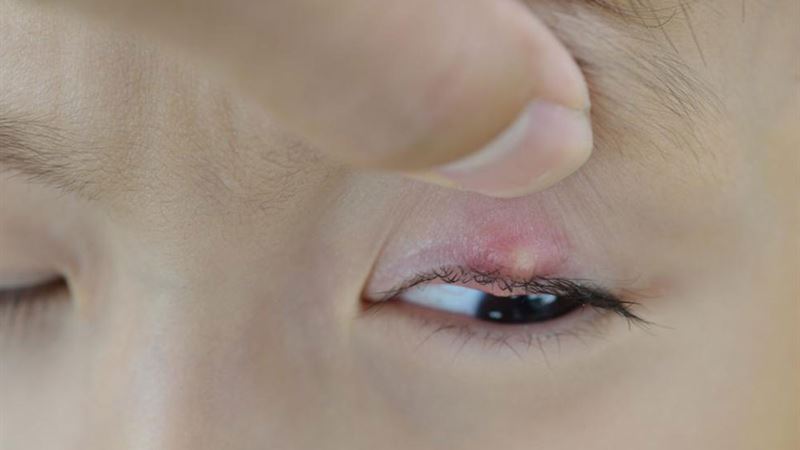
Blepharitis, a common yet bothersome eyelid condition, often leads to discomfort, redness, swelling, and itching around the eyelids and eyelashes. While consulting an eye care professional is essential for persistent or severe symptoms, numerous natural remedies and self-care techniques can significantly alleviate the discomfort associated with blepharitis. This comprehensive guide explores various home-based strategies, dietary adjustments, and natural treatments that can help you manage symptoms effectively and maintain healthy eyelid hygiene.
Understanding Blepharitis and Its Causes
Before diving into remedies, it’s important to grasp the underlying causes of blepharitis. The condition typically results from an imbalance of bacteria on the eyelid margins, sebaceous gland dysfunction, or infections such as Demodex mites. Allergies, unsuitable eye makeup, and poor eyelid hygiene can also contribute to the development or worsening of blepharitis. Recognizing these factors helps in adopting appropriate treatment strategies and preventing recurrences.
Home Remedies for Blepharitis Relief
Warm Compress: A Simple Yet Powerful Solution
One of the most effective home treatments for blepharitis is applying warm compresses to the eyelids. The warmth helps to soften and loosen accumulated debris, crusts, and oil buildup along the eyelid margins, making it easier to remove through gentle cleaning. Additionally, the heat stimulates blood circulation around the eyes, promoting faster healing and reducing inflammation. Use a clean, soft cloth soaked in warm water, ensuring it’s not too hot to avoid burns. Apply the compress over closed eyelids for about 5-10 minutes, twice daily for best results.
Incorporating Omega-3 Rich Foods into Your Diet
Dietary modifications can play a significant role in managing blepharitis, especially those targeting inflammation and gland function. Fatty fish such as salmon, mackerel, sardines, and tuna are excellent sources of omega-3 fatty acids. These healthy fats help reduce ocular surface inflammation and improve the function of the meibomian glands—tiny glands responsible for lubricating the eyelids and preventing dryness. Consuming at least 2-3 servings of omega-3-rich fish per week can contribute to healthier eyelids and reduce symptoms of blepharitis.
Applying Castor Oil for Skin and Eyelid Health
Castor oil is renowned for its natural healing properties, especially in skin and eyelid care. It contains ricinoleic acid, which exhibits anti-inflammatory and antimicrobial effects, making it beneficial for blepharitis symptoms. Before application, cleanse your eyelids gently with water and pat dry. Dip a clean cotton swab or bud into cold-pressed castor oil and carefully apply a thin layer across the eyelid margins. Allow it to remain for several minutes, then rinse thoroughly with lukewarm water. Applying castor oil daily for a few days can help soothe irritation, reduce crusting, and promote healing.
Using Honey for Its Antibacterial and Healing Properties
Honey, particularly raw and organic honey, possesses potent antibacterial, antifungal, and anti-inflammatory qualities. Applying a small amount of honey onto the eyelids can help combat bacterial infections that often cause blepharitis. To use honey effectively, dip a clean cotton swab into pure honey and gently apply a thin layer on the affected eyelid area. Leave it on for about 10-15 minutes before rinsing with lukewarm water. Regular application can help reduce inflammation, fight infection, and promote quicker recovery.
Additional Tips for Managing Blepharitis
- Maintain excellent eyelid hygiene by gently cleaning the eyelids daily with a mild, non-irritating cleanser or diluted baby shampoo.
- Avoid touching or rubbing your eyes to prevent secondary infections and worsen inflammation.
- Replace eye makeup regularly to prevent bacteria buildup and discard any cosmetics that have been contaminated.
- Use lubricating eyedrops or artificial tears if dryness accompanies blepharitis, but consult an eye specialist before use.
- Avoid exposure to environmental irritants such as smoke, dust, and strong winds, as these can aggravate symptoms.
When to Seek Professional Medical Care
If self-care measures do not yield improvement or if symptoms worsen—such as increased redness, swelling, pain, vision changes, or persistent crusting—it becomes essential to consult an eye care specialist. A professional diagnosis can help identify any underlying causes, such as bacterial or fungal infections, mites, or eyelid abnormalities. The ophthalmologist may recommend prescription treatments like antibiotic or steroid eye drops, eyelid hygiene routines, or other targeted therapies to effectively control the condition.
Practicing consistent eyelid hygiene, adopting healthy dietary habits, and utilizing natural remedies can significantly improve blepharitis symptoms. Remember, early intervention and proper care are key to maintaining eye comfort and health, preventing complications, and ensuring clear vision.