
Effective Home Strategies and Professional Solutions for Removing Chin Hair
Discover a comprehensive guide on natural remedies and professional treatments for chin hair removal. This detailed article explores effective home methods like sugaring, masks, and herbal teas, alongside professional options such as threading, waxing, and laser treatments. Learn essential tips for maintaining smooth, hair-free skin and managing expectations for long-term results. Perfect for those seeking safe, natural solutions or professional assistance, this guide helps you choose the best method tailored to your needs for a confident, polished look.
Always remember to perform a patch test on a small skin patch before applying any natural remedy extensively. Responses vary among individuals, and if irritation occurs, discontinue use and consult a dermatologist. Although home remedies offer a natural alternative with fewer risks, patience is essential as results may take time and might not be permanent. Setting realistic expectations ensures a positive experience.
Professional Techniques for Chin Hair Removal
- Threading: This precise method involves twisting a cotton or polyester thread to trap and extract individual hairs from the follicle. Commonly used on the face, threading offers high accuracy and minimal skin trauma. It is highly effective for shaping eyebrows but also works well for chin hair removal, especially for those with sensitive skin or fine hairs. Professional threading provides longer-lasting results compared to shaving and is a popular option for targeted hair removal.
- Waxing Procedures: Professional waxing involves applying warm or cold wax to the chin area and then quickly removing it in the direction opposite to hair growth. Waxing pulls hair from the root, resulting in smoother skin and extended periods before hair regrows. Regular waxing sessions can reduce hair density over time as follicles weaken. It's advisable to seek professional waxing services for safety and to minimize skin irritation. Ensure the esthetician uses suitable wax for sensitive facial skin.
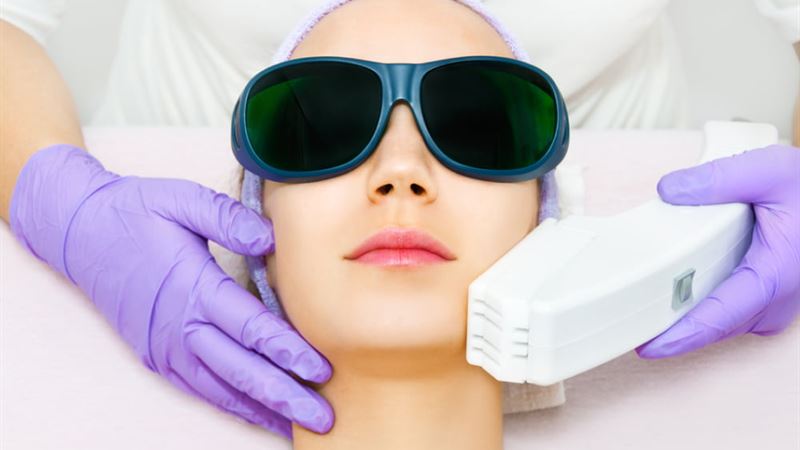
- Laser Hair Reduction: Laser treatment is a popular method for achieving permanent hair reduction. It uses focused laser beams to target and destroy hair follicles, substantially slowing or stopping hair growth. Multiple sessions are typically required, spaced weeks apart, with results varying based on skin and hair type. Laser hair removal is a minimally invasive procedure performed by trained specialists, providing a long-term solution for chin hair. Consultation with a dermatologist or licensed aesthetician is essential to determine eligibility and suitability.
- Depilatory Creams: These creams contain chemicals that dissolve hair at the skin’s surface. Professional depilatory treatments involve application by a trained aesthetician, ensuring safe use and minimizing risks. The process is quick, painless, and effective for hair removal but should be used cautiously, particularly for sensitive chin skin. Always follow manufacturer guidelines or medical advice to prevent adverse reactions.
Before opting for professional hair removal procedures, a thorough consultation with a licensed specialist is recommended. They can assess your skin type, hair texture, and overall health to recommend the most appropriate and safe treatments. Proper pre- and post-treatment care enhances results and reduces the risk of side effects.
Key Tips for Maintaining Chin Hair-Free Skin
- Consistent Exfoliation: Regular gentle exfoliation prevents ingrown hairs and keeps the skin smooth. Use a mild scrub or an exfoliating brush on the chin area once or twice weekly. Avoid aggressive scrubbing which can cause irritation and sensitivity, especially after hair removal treatments. Proper exfoliation promotes healthy skin renewal and reduces the likelihood of hair becoming trapped under the skin.
- Post-Removal Skin Care: After hair removal, soothing and moisturizing the skin is critical. Apply fragrance-free, gentle moisturizers to prevent dryness and irritation. For sensitive skin, opt for products with calming ingredients like aloe vera or chamomile. Proper hydration maintains skin elasticity and enhances the healing process.
- Professional Guidance: If you're uncertain about which removal method fits your skin type or have concerns about possible reactions, consult a qualified dermatologist or esthetician. They can provide personalized recommendations tailored to your needs, ensuring safety and effectiveness.
- Long-Term Maintenance: To prolong results, adhere to a regular schedule based on the removal method. For example, waxing or laser treatments tend to last longer, while shaving may require more frequent touch-ups. Consistent care minimizes regrowth and helps you enjoy a smooth, hair-free chin.
Attaining a hair-free, smooth chin is achievable through a combination of suitable methods and diligent skin care. From natural home remedies to professional services, understanding your options enables you to make informed decisions. Embrace patience and regularity, and you’ll be well on your way to saying goodbye to unwanted chin hair and confidently showcasing your radiant skin.