
Comprehensive Overview of the Toyota RAV4: Features, Variants, and Innovations
Explore the comprehensive features, evolution, and innovations of the Toyota RAV4. This detailed guide covers engine options, safety systems, interior comforts, and design updates, showcasing why the RAV4 remains a top choice among compact SUVs for reliability, efficiency, and advanced technology, suitable for families and outdoor enthusiasts alike.
Introduction to the Toyota RAV4 and Its Market Significance
The Toyota RAV4 has been a trailblazer since its introduction in the mid-1990s. It was among the first vehicles to define the compact crossover SUV category, merging the ruggedness of traditional SUVs with car-like handling and fuel efficiency. Its reputation for durability, efficient fuel consumption, and innovative safety features have contributed to its sustained popularity across the globe. As of today, the RAV4 continues to evolve with cutting-edge technology, design enhancements, and environmental considerations, positioning itself as a leader amidst competitive models.
Understanding the history behind the RAV4 helps appreciate its continued innovation and relevance. From the initial XA10 series to the current XA50 generation, Toyota has consistently refined the model, incorporating advanced drivetrain technologies, safety systems, and user-centric interior designs. Each generation has built upon the last, ensuring the vehicle remains adaptable to market demands and ecological standards.
Historical Development and Model Variants
The inception of the Toyota RAV4 dates back to 1994 when it was launched to fill the gap in the compact SUV segment. The first generation, XA10, shared many components with the Corolla and Carina models, reflecting Toyota’s strategy to utilize existing platforms for cost efficiency. Available in both three-door and five-door variants, the initial models offered manual and automatic transmission options, catering to diverse driver preferences.
One of the notable innovations early on was the introduction of an all-electric variant—the RAV4 EV—which was developed in partnership with Tesla Motors. This model showcased Toyota's commitment to exploring alternative powertrains long before electric vehicles became mainstream.
The second (XA20) and third (XA30) generations of the RAV4 saw significant upgrades in design, comfort, and technology. These models introduced more refined styling, enhanced safety features, and improved interior quality. However, it was the fourth generation (XA40) that marked a comprehensive redesign, emphasizing advanced engineering, smarter technology integrations, and increased versatility.
Modern iterations of the RAV4 include various configurations—gasoline, diesel, hybrid, and plugin hybrid variants—each optimized for different driving needs and environmental regulations. The latest models feature turbocharged engines, hybrid powertrains, and sophisticated chassis systems to provide superior performance and safety.
Engine Options and Powertrain Technologies
The current generation of Toyota RAV4 offers a broad array of engine choices tailored to different markets and customer priorities. These include traditional gasoline engines, turbo diesel options, and hybrid powertrains designed for efficiency and reduced emissions.
Gasoline engines are available in 2.0-liter and 2.5-liter four-cylinder variants, providing a balance of power and fuel economy. The turbo diesel models, typically 2.0- and 2.2-liters, are favored in regions where diesel fuel is prevalent, offering enhanced torque and better fuel efficiency for long-distance driving and towing capabilities.
The hybrid version, which has become a hallmark of RAV4’s lineup, combines a 2.5-liter Atkinson cycle gasoline engine with electric motors, delivering seamless power delivery, excellent fuel economy, and reduced emissions. The full hybrid (HEV) system features a nickel-metal hydride battery positioned beneath the rear seats, ensuring minimal intrusion into cargo space. The hybrid also employs a sophisticated power split device and intelligent control units to optimize energy use during various driving conditions.
Further advancements in the hybrid system include an electric motor capable of running independently—specifically on AWD models—supporting traction and stability during challenging driving environments. With a towing capacity of approximately 1,750 pounds, the hybrid RAV4 is suitable for light towing needs while maintaining impressive efficiency.
Transmission options across models include Continuously Variable Transmissions (CVT), traditional six-speed automatics, and manual transmissions in select markets. These choices allow drivers to select the driving experience that best suits their preferences, whether smooth continuous acceleration or more engage-driven manual control.
Design and Exterior Features
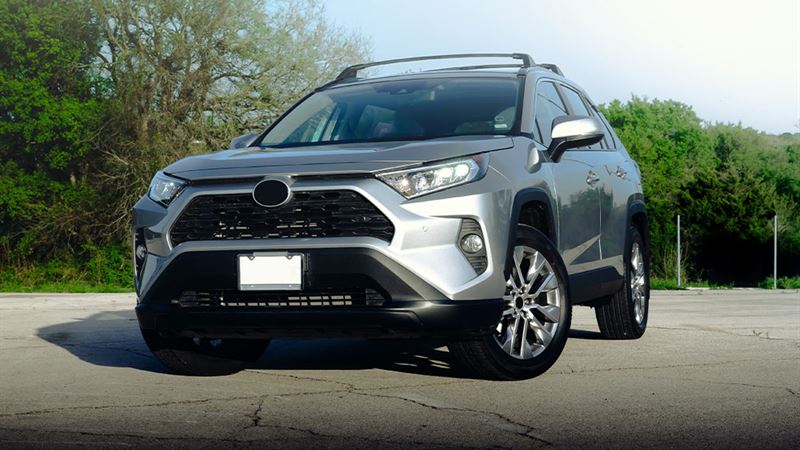
The latest RAV4 series—dubbed the XA50—features a modern, aggressive exterior design with sharp lines, a prominent grille, and aerodynamic accents. Notable exterior updates include a power liftgate, LED head and taillights, and available roof rails for additional cargo flexibility. The rear tailgate has transitioned from side-hinged to a swing-up design, improving access and ease of loading.
Wheels sizes range from 17 to 19 inches, complemented by a selection of stylish alloy wheels that enhance the vehicle’s sporty profile. The exterior color palette has expanded to include several contemporary hues, allowing customization according to customer preferences.
Interior Comfort, Technology, and Conveniences
Inside, the RAV4 offers a spacious and ergonomic cabin designed with driver comfort and convenience in mind. The use of high-quality materials like Softex upholstery, soft-touch surfaces, and robust plastics creates an inviting environment. Depending on the trim, interior features include a panoramic sunroof, dual-zone climate control, and leather-trimmed seats with lumbar support for enhanced driving comfort.
The infotainment system is centered around a 6.1 to 9-inch touchscreen, equipped with Toyota’s Entune platform, offering features such as Bluetooth connectivity, Apple CarPlay, Android Auto, and navigation options. Premium models may include additional amenities like premium audio systems, wireless charging pads, and multiple USB ports.
Smart storage solutions, such as fold-flat rear seats, adjustable cargo floors, and flexible cargo nets, maximize storage capacity. The rear seats fold flat to increase cargo space significantly, making the vehicle ideal for family outings, grocery runs, or outdoor adventures.
Safety Innovations and Assistance Technologies
The Toyota RAV4's safety suite has been a key reason for its popularity. The latest models are equipped with Toyota Safety Sense (TSS), which integrates several advanced driver assistance systems, including automatic emergency braking (AEB), lane departure alert, adaptive cruise control, and lane tracing assist. These systems work together to mitigate accidents and assist drivers in maintaining control.
Additional safety features include a 360-degree bird’s-eye view camera, rearview camera, parking sensors, blind-spot monitoring, and rear cross-traffic alert, all designed to facilitate safer and more confident maneuvering in various conditions.
The vehicle’s braking systems have been refined for more linear response, enhancing driver confidence and control during emergency stops or stop-and-go traffic.
Ride Quality, Off-Road Capabilities, and Suspension Systems
The RAV4’s suspension and shock absorption systems have been meticulously engineered to offer a balanced blend of comfort and stability. Upgraded shock absorbers adapt to road conditions, smoothing out rough terrain and offering precise handling during off-road excursions. The vehicle’s ground clearance, combined with optional all-wheel-drive systems, enables moderate off-road adventures while maintaining urban agility.
Driving in challenging conditions like snow, mud, or gravel is supported by intelligent traction control and stability management features, making the RAV4 a versatile choice for various outdoor activities.
Navigation, Multimedia, and Connectivity
The latest Toyota RAV4 includes an intuitive multimedia system with integrated navigation, voice controls, and multiple connectivity options. The system is designed to provide seamless access to maps, music, and communication channels, ensuring driver focus remains on the road.
Apple CarPlay and Android Auto compatibility allow smartphone integration, complemented by available Wi-Fi hotspot capabilities, making the RAV4 a connected, digital-ready vehicle suited for modern lifestyles.
Conclusion: Why the Toyota RAV4 Remains a Top Choice
The Toyota RAV4’s combination of reliability, innovative features, safety, and practicality make it a perennial favorite among drivers worldwide. Its range of models—from fuel-efficient hybrids to powerful gasoline variants—coupled with its spacious and well-equipped interior, cater to a broad spectrum of needs. Whether for urban commuting, family adventures, or outdoor escapades, the RAV4 offers a compelling package that continues to impress and innovate, solidifying its position as a leader in the competitive crossover SUV market.