
Comprehensive Guide to Fabrics Ideal for Bridesmaid Dresses
This comprehensive guide explores various fabrics suitable for bridesmaid dresses, emphasizing their textures, draping qualities, and ideal wedding settings. From lightweight chiffon to structured Mikado, learn how to select the perfect material to enhance your bridal vision. Understanding fabric characteristics ensures your bridesmaids' comfort and style. Discover tips for choosing the right fabric, matching it to wedding themes, and achieving an elegant, coordinated look. Ideal for brides planning outdoor or indoor weddings, this article provides valuable insights into fabric selection for a flawless bridal party ensemble.
Choosing the right fabric for bridesmaid dresses is crucial to achieving a stunning and comfortable look. Different fabrics offer various textures, draping qualities, and suitability for specific wedding themes and seasons. From lightweight chiffons to structured Mikado, each fabric has unique characteristics that can enhance the overall appearance of bridesmaid attire. This guide explores a wide range of fabrics—from airy and flowy materials perfect for outdoor daytime weddings to heavier, more structured options suited for winter ceremonies. Understanding these fabrics will help you select the perfect material to complement your wedding style and ensure your bridesmaids look elegant and feel comfortable throughout the celebration.
Understanding Fabrics for Bridesmaid Dresses
When selecting fabric for bridesmaid dresses, it is essential to consider factors such as drape, comfort, seasonality, and the overall aesthetic you wish to achieve. Different fabrics behave uniquely under various conditions and styles. Let’s delve deeper into some of the most popular fabrics used in bridesmaid dresses, their characteristics, advantages, and ideal settings.
Chiffon: Light, Elegant, and Versatile
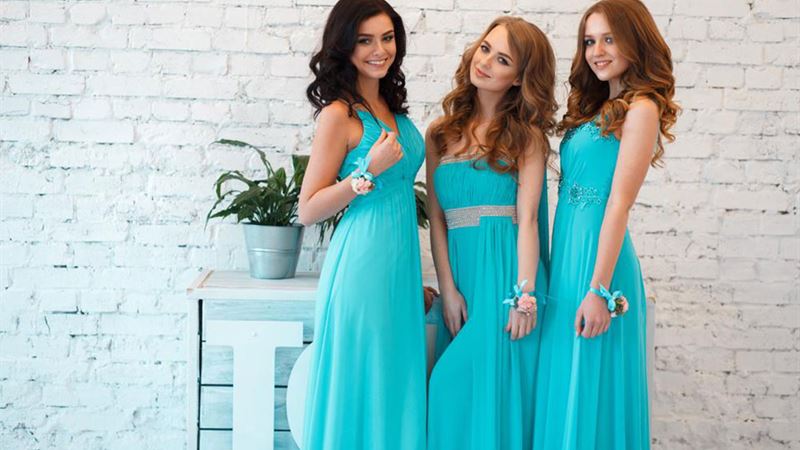
Chiffon remains a favorite among bridesmaids' dress fabrics due to its lightweight and airy nature. It drapes beautifully, making it perfect for styles that require flowing silhouettes and elegant layers, such as empire waist or wrap dresses. Chiffon's soft, sheer texture lends itself well to pastel and light-colored themes, enhancing the romantic and delicate aesthetic of many outdoor and daytime weddings.
Additionally, chiffon is available in pleated variations, notably called 'crinkled' chiffon, which adds texture and visual interest to the gown. Its breathable qualities help keep bridesmaids cool during outdoor ceremonies, making it an excellent choice for warm weather. The fabric’s slight transparency allows for layered designs, which can be both innovative and stylish. Because of its lightweight nature, chiffon is easier to sew and handle, but it does require careful handling to avoid snags and tears.
Georgette: Slightly Heavier, More Structured
Georgette is a popular alternative to chiffon, offering a slightly heavier and less sheer option. Typically crafted from high-quality polyester or silk, georgette has a crepe texture that lends an elegant, matte finish. Its more substantial weight gives dresses a graceful drape while providing enough structure to hold various styles without requiring additional lining.
This fabric flatters all body types by creating a slimming effect, making it a versatile choice for bridesmaids’ dresses. Georgette's rich texture makes it suitable for both formal and semi-formal occasions, and its durability ensures the dress maintains its shape over time. Its slightly heavier feel also allows for more intricate design details such as pleats, drapes, and ruffles to be incorporated seamlessly.
Voile: Structured and Slightly Heavier
Voile is comparable to chiffon but provides a bit more weight and durability, making it a practical choice for bridesmaid dresses. This fabric has a subtle sheen that imparts a light-reflecting quality, adding brightness and freshness to the overall look. Often blended with cotton, voile becomes more breathable, making it especially comfortable for warmer months.
Its more structured nature means voile is better suited for A-line dresses, which require a bit more support to maintain their shape. Less flowy than chiffon or georgette, voile lends itself well to daytime weddings and less formal events, creating a casually elegant vibe. Its texture is smooth, and the sheen adds a touch of sophistication without appearing overly shiny.
Cady: Structured and Elegant
Cady is a heavy, tightly woven fabric known for its excellent structure and smooth finish. Often used to create dresses with a tailored silhouette, cady provides a sleek, polished appearance that enhances the wearer's figure. When blended with cotton, cady becomes softer and more stretchable, ensuring comfort while maintaining its shape.
This fabric’s minimal sheen renders it less formal and more versatile for various wedding themes.’s matte finish makes it ideal for day or casual weddings, especially when a sophisticated but understated style is desired. Cady's sturdy nature allows for the creation of fitted bodices, A-line skirts, and structured evening gowns.
Satin: Luxurious and Sophisticated
Satin is renowned for its silky, smooth finish and luxurious appearance. Its lightweight yet substantial feel makes it suitable for a variety of dress styles, from sleek and fitted to flowing and draped. The fabric’s soft sheen adds elegance and radiance, making it perfect for evening weddings or formal events.
Because satin tends to reflect light, it helps create a luminous look on the dance floor. However, its susceptibility to sweat marks and heat requires consideration—it's best suited for cooler weather or evening occasions. Satin dresses exhibit excellent movement and can be styled to complement both classic and modern wedding themes.
Charmeuse: Silk-Like, Lighter, and Soft
Charmeuse shares many qualities with satin but is lighter and softer, giving it a more delicate feel. Its muted sheen lends a subtle glow, making it an excellent choice for evening or romantic-themed weddings. This fabric drapes beautifully and is highly adaptable for various dress styles.
Charmeuse's fluidity and softness allow for elegant, flowing gowns that emphasize movement. Its lightweight nature also ensures comfort for long wear periods, making it popular for night ceremonies. The fabric's appearance is understated yet sophisticated, blending seamlessly with other luxurious materials.
Mikado: Stiff, Structured, and Formal
Mikado is a luxurious blend fabric known for its stiffness and high sheen. Its weight and firmness make it ideal for creating structured dresses that hold their shape, such as ball gowns, A-line silhouettes, and column dresses. Perfect for winter weddings and more formal settings, Mikado provides a regal and polished look.
Since Mikado is quite stiff, it lends itself well to designs that require crisp lines and architectural shapes. Its durability ensures a long-lasting finish, and when styled correctly, Mikado can elevate the overall elegance of bridesmaid dresses. The fabric's opulent appearance makes it a top choice for sophisticated and formal bridal parties.
Final Thoughts: Choosing the Right Fabric
Selection of fabric plays a vital role in achieving the desired aesthetic and comfort for your bridesmaids. Each fabric discussed offers unique benefits and suits different wedding themes, seasons, and dress styles. Consider factors like drape, weight, transparency, and ease of handling when making your choice. Consulting with a tailor or dressmaker can also help determine the best fabric based on your specific needs and preferences.
Remember, the right fabric not only enhances the visual appeal but also ensures your bridesmaids feel confident and comfortable throughout your special day. By carefully selecting among these options—be it the airy chiffon, elegant georgette, structured cady, luxurious satin, or the stiff Mikado—you can craft a cohesive and breathtaking bridal look that leaves lasting memories.