
Comprehensive Guide to Managing and Treating a Prolapsed Bladder
This comprehensive guide explores bladder prolapse stages, causes, symptoms, and effective treatment options, including lifestyle changes, pelvic exercises, and surgical procedures. Understanding these aspects helps women manage the condition proactively and improve their quality of life through timely intervention and appropriate medical care.
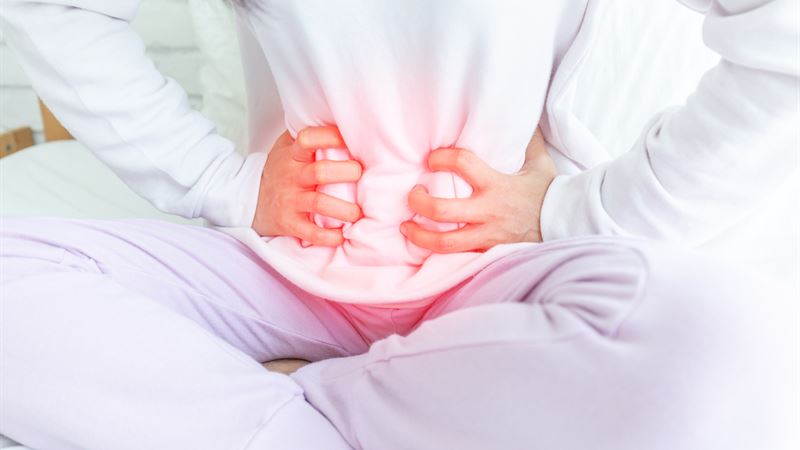
Understanding the Stages of Bladder Prolapse
Prolapsed bladder, medically known as cystocele, is classified into four distinct grades based on the extent of descent. Recognizing these stages is crucial for appropriate management and treatment planning.
- Grade 1: Mild prolapse where only a small portion of the bladder begins to sag into the vaginal space. Usually, this stage does not cause significant symptoms and may not require immediate intervention. Lifestyle modifications and regular monitoring often suffice.
- Grade 2: Moderate prolapse, where the bladder droops further and reaches the vaginal opening. Some women may experience symptoms such as pressure or urinary difficulties at this stage. Medical evaluation is recommended to determine the best course of action.
- Grade 3: The prolapse becomes more pronounced, with the bladder protruding visibly outside the vaginal introitus. This advanced stage can significantly impact quality of life and may necessitate active treatment.
What Causes a Prolapsed Bladder?
Several factors contribute to the development of a fallen bladder, primarily involving weakening of the pelvic support structures. These causes include:
- Persistent pelvic strain: Activities that exert excessive pressure on pelvic muscles—such as heavy lifting, chronic constipation leading to straining, prolonged coughing from respiratory issues, or strenuous physical activity—can weaken the pelvic floor and lead to prolapse.
- Vaginal childbirth: The most common trigger, childbirth stretches and potentially damages the pelvic muscles and connective tissues. The risk escalates with factors like prolonged labor, instrumental deliveries (forceps or ventouse), large babies, or multiple births.
- Menopause: The decline of estrogen levels after menopause results in decreased tissue elasticity and muscle tone in the pelvic region, making prolapse more likely.
- Prior pelvic surgery: Surgical procedures such as hysterectomy can alter pelvic support and increase the chances of developing a prolapsed bladder.
- Aging and obesity: Age-related muscle weakening combined with excess weight puts additional strain on pelvic structures, significantly raising the risk of prolapse.
Common Symptoms of a Bladder Prolapse
- Persistent pressure sensation in the vagina or lower abdomen
- A visible or palpable bulge protruding from the vaginal opening
- Discomfort or a feeling of heaviness in the pelvic area
- Lower abdominal pain, especially when sitting or exerting
- Difficulty urinating or incomplete bladder emptying
- Presence of tissue, sometimes bleeding or ulcerated, protruding from the vagina
- Pain during sexual intercourse
- Repeated urinary tract infections
- Lower back pain or discomfort
Available Treatment Options for a Prolapsed Bladder
The management approach varies based on the severity of prolapse and the specific symptoms experienced by the patient. Treatment strategies aim to alleviate discomfort, restore normal function, and prevent progression.
- Mild cases: When prolapse remains minimal and asymptomatic, conservative measures are often sufficient. Lifestyle adjustments such as weight loss, managing constipation, avoiding heavy lifting, and pelvic floor strengthening exercises can stabilize or improve the condition. Regular follow-up is essential to monitor any progression.
- Moderate cases: For this group, non-invasive therapies are typically effective. Pelvic floor muscle exercises (Kegel exercises) strengthen support structures and alleviate symptoms. The use of a pessary—a device inserted into the vagina—can provide additional support, especially for women seeking to avoid surgery or delay invasive procedures. These devices are customizable and can be fitted by healthcare professionals.
- Severe cases: When prolapse is advanced and causes significant functional or quality-of-life issues, surgical intervention becomes the primary treatment. Surgical options include procedures like anterior repair, vaginal or abdominal colporrhaphy, or bladder neck suspension, tailored to the individual's needs. Postoperative recovery requires dedicated rest periods of at least six weeks, during which strenuous activities and heavy lifting should be avoided to facilitate healing and tissue strengthening.
In conclusion, understanding the stages, causes, and treatment options for a prolapsed bladder enables women to seek timely medical care. Early intervention can prevent worsening conditions, enhance comfort, and restore normal pelvic function.