
Comprehensive Guide to Online Filmmaking and Cinematography Programs for Aspiring Creators
Explore comprehensive online filmmaking and cinematography degrees, certifications, and workshops designed for aspiring filmmakers. Discover flexible learning options, essential skills, equipment needs, and industry trends to kickstart your film career from anywhere around the globe.
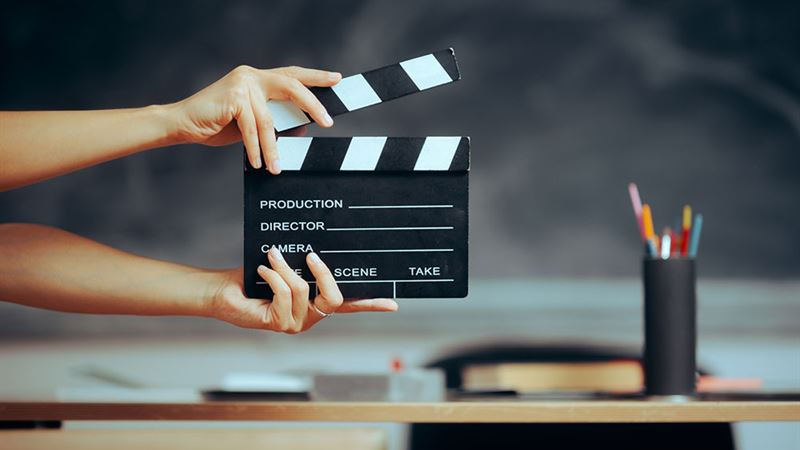
Embarking on a journey in filmmaking requires dedication, technical skills, and creative vision. As the industry evolves, online degree programs in cinematography and filmmaking now offer flexible, accessible pathways for students worldwide. These courses are designed to provide comprehensive training, practical experience, and industry insights, enabling aspiring filmmakers to develop their craft from anywhere. In this extensive guide, we explore various online degrees, certification courses, and specialized workshops that can help you succeed in the competitive world of cinema and video production. From beginner levels to advanced master’s programs, discover the options that align with your career goals and learn how to harness digital tools for storytelling excellence.
Understanding Online Cinematography and Filmmaking Education
Online education has transformed traditional learning in many fields, including the arts and media. For aspiring filmmakers, online programs offer the flexibility to study part-time or full-time, balancing other commitments while pursuing a passionate career. These courses are structured to simulate real-world filmmaking processes, combining theoretical knowledge with hands-on training using industry-standard software and equipment. Unlike conventional classroom settings, online programs often provide interactive content, live workshops, peer collaborations, and direct access to industry professionals, making them an ideal choice for self-motivated students seeking quality education from top institutions worldwide.
Core Components of an Online Filmmaking Curriculum
Most online filmmaking programs encompass a broad spectrum of subjects essential for a well-rounded education in film production. Below are some of the critical courses and skills covered:
- Cinematography and Camera Operation: This foundational course teaches students about digital cameras, shot composition, lighting techniques, and camera movement. Learners gain practical skills in visual storytelling, understanding how framing, focus, color, and exposure influence the narrative. Knowledge of different camera types, lenses, and accessories prepares students to work efficiently in various shooting scenarios.
- Visual Effects and Post-Production: Visual effects (VFX) play a vital role in modern filmmaking. Students learn how to incorporate CGI, green screen compositing, and special effects using software like Adobe After Effects, Nuke, or Fusion. These skills are essential for creating immersive worlds and enhancing storytelling through digital enhancement and editing techniques.
- Editing and Digital Production Design: Effective editing is the backbone of cohesive storytelling. Coursework includes timeline organization, color grading, sound synchronization, and post-production workflows. Digital production design also covers pre-visualization, set design visualization, and digital asset management, helping students plan their projects effectively.
- Sound Design and Audio Engineering: High-quality sound is crucial for professional productions. Students explore microphone techniques, audio editing, mixing, and sound effects to enhance the auditory experience of their films.
- Storytelling and Screenwriting: A comprehensive program also emphasizes narrative development, character creation, and scriptwriting, ensuring students craft compelling stories that resonate with audiences.
Equipment and Software Requirements
Transitioning to online filmmaking education requires students to have access to specific tools and equipment. Essential items typically include a digital camera or smartphone with high-quality video capabilities, a microphone, lighting gear, a computer with sufficient processing power, and relevant editing software such as Adobe Premiere Pro, Final Cut Pro, or DaVinci Resolve. Some programs may also recommend additional accessories like stabilizers, tripods, and external storage devices. Before enrolling, students should review the detailed equipment checklist provided by the institution to ensure they are well-prepared for practical assignments.
Top Online Degree Programs in Filmmaking and Cinematography
The pursuit of a formal qualification in film can significantly boost career prospects. Here are some reputable online degree options for aspiring filmmakers:
- Online Bachelor of Fine Arts (BFA) in Film Production: Many universities now offer online BFA programs that cover all aspects of filmmaking, including directing, cinematography, editing, and production management. These programs are ideal for students seeking a comprehensive foundation and hands-on experience through project-based assignments, virtual labs, and collaboration tools.
- Online Master of Arts (MA) in Cinematography or Film Production: Advanced degrees foster deeper understanding and technical mastery. These programs often include workshops with industry professionals, masterclasses, and opportunities for internships. A master's degree can open doors to higher-level roles in production companies, studios, or freelance work.
The School of Motion Pictures & Television at the Academy of Art University offers a tailored online Motion Pictures & Television degree that emphasizes practical skills. The curriculum includes coursework in camera techniques, lighting design, editing, and visual storytelling. Courses are delivered via videos, live streams, and interactive webinars, enabling real-time feedback and mentorship. Students also benefit from peer collaboration and project critiques, mimicking real-world studio environments.
Specialized Online Certifications and Workshops
In addition to degree programs, numerous online platforms provide certification courses that focus on specific skills or software essential for filmmakers:
- Commercial Cinematography: Offered by platforms like Filmmakers Academy, this course delves into advanced camera techniques, lighting, and shot composition tailored for commercial projects. Participants learn how to craft visually compelling stories that sell products or ideas, gaining practical experience through assignments and industry case studies.
- MasterClass in Filmmaking: Industry giants such as Martin Scorsese, Ron Howard, and Jodie Foster teach masterclasses covering directing, screenplay writing, cinematography, and editing. These classes provide valuable insights into professional practices, creative processes, and storytelling mastery, accessible from any location.
Emerging Trends and Additional Opportunities
The film industry continues to evolve with technological advancements like virtual reality, 360-degree filming, and AI-driven editing tools. Online programs are increasingly incorporating these innovations into their curricula. Aspiring filmmakers should stay updated on industry trends and consider additional workshops or online communities that foster networking, mentorship, and project collaborations. Platforms like Vimeo, YouTube, and social media enable students to showcase their work, receive feedback, and build a portfolio that attracts potential employers or clients.
In conclusion, online filmmaking and cinematography programs provide versatile, accessible pathways for creative individuals to develop skills, gain credentials, and launch successful careers. Whether you're interested in digital cinematography, visual effects, or film production management, there's a suitable online course or degree tailored to your aspirations. Embrace the digital revolution, leverage online resources, and start building your cinematic journey today.