
Essential Nutrients and Foods to Strengthen and Maintain Healthy Bones
This detailed article emphasizes the importance of a nutritious diet combined with active habits to strengthen and preserve bone health. It covers top calcium-rich foods, vitamin D sources, nuts, seeds, legumes, and vegan options, alongside lifestyle tips such as exercise and limiting alcohol. Understanding these nutritional strategies can help prevent osteoporosis and bone fractures, promoting a resilient skeletal system at any age. Incorporating these foods into daily routines ensures sustained bone strength and overall well-being, making it a valuable guide for health-conscious individuals seeking long-term bone health.
Maintaining strong, healthy bones is a cornerstone of overall well-being and longevity. As our bodies age, the risk of osteoporosis and fractures increases, making it vital to focus on nutrition and habits that promote bone density and strength. This comprehensive guide explores the top foods rich in essential nutrients, including calcium, vitamin D, magnesium, and phosphorus, which contribute significantly to bone health. Whether you follow a vegetarian, vegan, or omnivorous diet, understanding how to incorporate these foods can help protect your skeletal system for years to come.
Understanding Bone Health and Its Nutritional Foundations
Bone health hinges on a delicate balance of minerals and nutrients, primarily calcium and vitamin D. Calcium is the fundamental building block for bones, providing strength and structure. Vitamin D facilitates calcium absorption in the intestines, ensuring that dietary calcium effectively reaches the bones. Alongside these, minerals such as magnesium and phosphorus support mineralization, tissue regeneration, and overall bone density. Together, these nutrients form the foundation for a resilient skeletal system, capable of supporting physical activity and resisting injury.
Top Calcium-Rich Foods for Strong Bones
Calcium intake is paramount for maintaining bone density, especially as the body ages. Dairy products remain the most well-known sources, offering high bioavailability of calcium. Milk, cheese, yogurt, and cream deliver significant amounts of this mineral, but individuals with lactose intolerance can turn to fortified plant-based alternatives such as soy, almond, and coconut milks. These fortified beverages are enriched with calcium to serve as excellent substitutes.
Vegetarians and those seeking plant-based options can incorporate greens like kale, broccoli, Chinese cabbage, and okra into their diets. These vegetables are rich in calcium and other beneficial nutrients. Marine sources of calcium include several types of fatty fish such as salmon, sardines, pilchards, and mackerel, especially when consumed with their bones or canned in oil. Fish also provide vitamin D, which enhances calcium absorption.
Vitamin D: The Catalyst for Bone Mineralization
Vitamin D plays a crucial role in ensuring optimal calcium absorption from food sources. Without sufficient vitamin D levels, bone mineralization becomes inefficient, leading to increased risk of osteoporosis and fractures. Fortified foods are an excellent supplement for vegetarians and vegans—these include fortified cereals, orange juices, and plant-based milks. Natural sources of vitamin D comprise fatty fish like salmon, mackerel, and trout, as well as fish liver oils. Egg yolks and beef liver are also good sources, contributing to overall vitamin D levels and aiding the body's ability to utilize calcium effectively.
Nutrient-Rich Nuts and Seeds for Bone Strength
Nuts and seeds provide a treasure trove of minerals that bolster bone health. Almonds, walnuts, pecans, and pistachios are particularly high in magnesium, which supports calcium absorption. Phosphorus, essential for bone mineralization, is abundant in seeds such as sesame, chia, flax, and pumpkin seeds. Furthermore, these seeds contain healthy omega-3 fatty acids, which help reduce inflammation and prevent bone degradation. Regular consumption of a variety of nuts and seeds can significantly enhance bone resilience and overall skeletal integrity.
Legumes and Beans as Plant-Based Bone Boosters
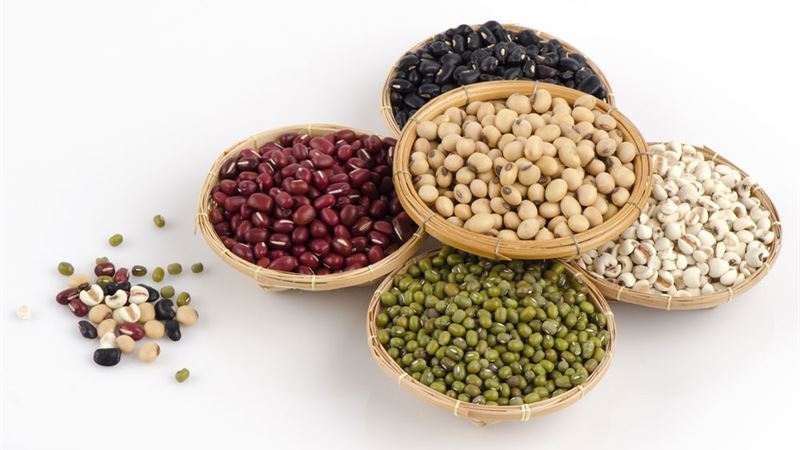
Legumes are an important staple for vegetarians looking to meet their calcium and mineral requirements. Foods like edamame, black beans, pinto beans, kidney beans, and chickpeas are excellent sources of calcium, magnesium, phosphorus, and protein—all vital for maintaining healthy bones. These fiber-rich foods also promote digestive health, which facilitates better nutrient absorption. Incorporating a wide variety of beans into your diet ensures a comprehensive supply of essential nutrients to support your skeletal system throughout your life.
Vegan-Friendly Sources for Bone Nutrients
Vegan diets omit animal-derived foods but can still provide vital nutrients to support bone health through carefully selected plant-based options. Oats, rice, and fortified soy products such as tofu and soy milk are rich in calcium and other minerals. Dried fruits like apricots, raisins, prunes, and figs serve as natural sources of calcium and vitamin D. Sesame seeds and sunflower seeds also contain calcium and vitamin D, which bolster bone strength. To prevent deficiencies, vegans are advised to consider supplements under medical supervision, especially for nutrients like vitamin D and calcium, which can be challenging to obtain solely from plant-based sources.
Complementary Lifestyle Habits for Optimal Bone Maintenance
While diet plays a pivotal role, maintaining strong bones also requires an active lifestyle. Regular weight-bearing exercises such as walking, jogging, climbing stairs, and resistance workouts stimulate bone formation and prevent deterioration. Limiting alcohol consumption is also essential, as excessive intake can interfere with bone regeneration and mineral density. Adequate sunlight exposure helps the body produce vitamin D naturally. Creating consistent habits that combine nutritious eating with physical activity can significantly reduce the risk of osteoporosis and other bone-related conditions, ensuring lifelong skeletal strength.
Conclusion: Combining Nutrition and Lifestyle for Bone Wellness
Achieving and maintaining optimal bone health is a comprehensive effort that combines consuming nutrient-dense foods with an active lifestyle. Prioritizing calcium intake through dairy, greens, fish, nuts, and legumes ensures the groundwork for strong bones. Supplementing with vitamin D-rich foods and maintaining physical activity enhances absorption and stimulates bone growth. For vegetarians and vegans, selecting the right plant-based foods and considering supplementation offers a viable path to bone health. Remember, consistent habits and mindful lifestyle choices form the foundation for preventing bone loss and supporting long-term skeletal wellness.