
Comprehensive Guide to Responsible Pet Care: Key Practices for Happy Pets
Discover the ultimate guide to responsible pet care, covering essential routines, nutrition, grooming, veterinary visits, and creating a nurturing environment. Learn how to keep your pets healthy, happy, and well-loved with expert tips. Perfect for new and experienced pet owners aiming to provide the best life for their furry friends.
Daily Exercise and Play for a Healthy Life
Exercise plays a crucial role in maintaining a pet's physical health and mental happiness. Engaging your pet in daily activities such as walks, fetch games, or agility exercises contributes significantly to their overall wellness. Regular physical activity helps prevent obesity, reduces stress, and fosters a strong bond between you and your pet. Some pet owners incorporate yoga or mindfulness practices alongside their animals, creating a calming and connective routine. Compatibility and consistency are key; establishing a daily schedule for walks or playtime ensures your pet's needs are met and reinforces a sense of security. Communicating with your pet—eye contact, gentle voice, and positive energy—enhances their trust and comfort. Remember, pets are perceptive and can sense your emotions, so maintaining a joyful and attentive demeanor strengthens your relationship.
Providing Proper Nutrition and Special Treats
Feeding your pet with appropriate nutrition is fundamental to their health. Recognizing their natural dietary requirements—whether for dogs, cats, birds, reptiles, or exotic animals—is essential. While commercial pet foods are convenient, they should be selected carefully, ensuring they are free from excessive salt, artificial additives, or preservatives that could harm your pet. For exotic pets like turtles or snakes, understanding their specific dietary needs is vital; sometimes, natural prey may not be suitable, requiring specialized diet plans recommended by veterinarians. Homemade organic treats offer a nutritious alternative, and there are countless recipes online that promote healthy snacking while providing variety and excitement for your pet’s palate. Always consult a vet before making significant dietary changes, especially for specialized or exotic animals. Remember, the act of feeding not only sustains your pet but also fosters a deep emotional connection, as pets commonly bond strongly with those who provide their nourishment.
Grooming and Surprising Your Pets
Regular grooming is vital for maintaining your pet’s hygiene and comfort. Bathing your pet in accordance with their breed and coat type helps reduce dander, prevent skin infections, and improve their overall well-being. Beyond bathing, grooming includes brushing fur, cleaning ears, trimming nails, and dental care. Learning the grooming techniques from a veterinarian ensures you do it safely and effectively. For dogs, establishing a consistent grooming routine creates a sense of familiarity and security; routine grooming sessions can also be an opportunity for positive reinforcement. Surprise your pet with unexpected activities—taking them on a new walk, exploring an unfamiliar park, or introducing new toys—to stimulate their curiosity and enrich their environment. Cats are naturally inquisitive creatures; new objects or changes in their environment often excite them and help prevent behavioral issues. These surprises foster mental stimulation and strengthen your caregiver bond.
Routine Veterinary Visits and Preventive Care
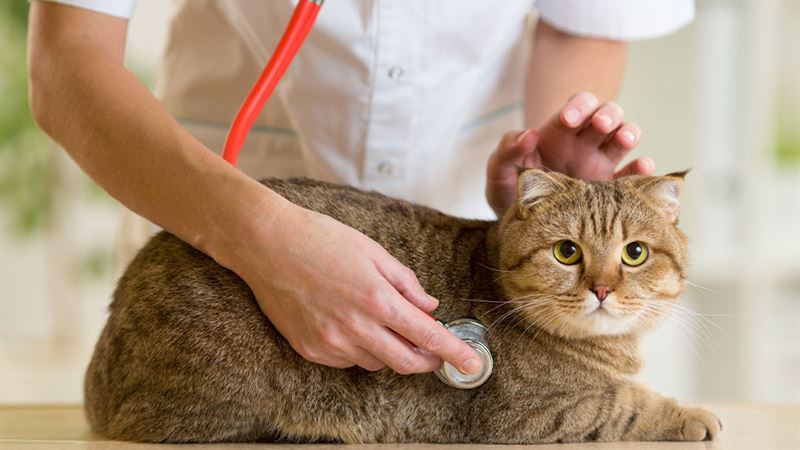
Regular veterinary check-ups are non-negotiable for maintaining a pet’s health. Vaccinations, parasite screenings, dental care, and health assessments prevent many diseases and ensure early detection of potential health issues. Before adopting a pet, visiting a veterinarian provides insights into their medical needs and helps you prepare for ongoing responsibilities. Vet visits also clarify dietary recommendations, grooming protocols, and emergency procedures. Understand the costs involved in routine and emergency care to ensure you can manage your pet’s health responsibly. Establishing a relationship with a trusted veterinarian optimizes your pet’s long-term health and provides peace of mind. Preventive health measures—such as vaccinations, deworming, and spaying/neutering—are crucial elements of responsible pet ownership, promoting a longer, healthier life for your furry companion.
Creating a Consistent and Caring Environment
A well-structured routine keeps your pet emotionally balanced. Setting specific times for feeding, walking, play, and rest provides stability and helps your pet understand what to expect each day. Keep a schedule and document activities to ensure consistency. Creating a safe, clean, and loving environment involves regular cleaning of bedding and living spaces, safe toys, and designated spots for rest and play. Pets thrive in environments where their needs are anticipated and met with kindness. Giving ample affection, gentle handling, and a clean living area cultivates trust and loyalty. This stability is especially important for young or anxious animals, helping them develop confidence and security. Remember, responsible pet care goes beyond the essentials—it involves cultivating love, understanding, and patience to ensure your pet’s happiness and health for years to come..