
Comprehensive Benefits and Uses of Breast Pumps for Nursing Mothers
Discover the comprehensive benefits of using breast pumps, including promoting flexibility, enhancing bonding, and supporting health in various medical scenarios. Learn about different types of pumps, usage tips, and latest technological advancements that make breastfeeding easier and more convenient for mothers worldwide.
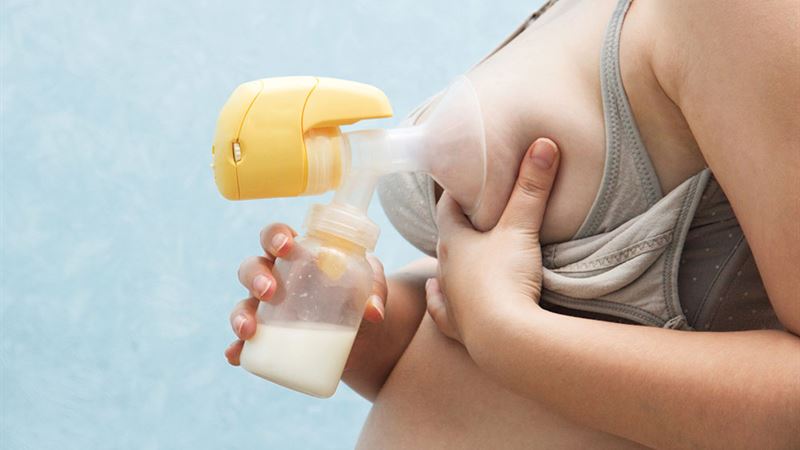
Ensuring Consistent Access to Breast Milk
One of the fundamental reasons many mothers turn to breast pumps is to guarantee that their infants continue to receive the benefits of breast milk, even when they are not physically available. Breastfeeding naturally involves the mother and baby being together for feeding; however, due to work commitments, errands, or other life responsibilities, this may not always be feasible. Breast pumps provide a practical solution that offers flexibility and maintains milk supply. By expressing milk regularly, mothers can store it securely to feed their babies at a later time, ensuring consistent nutrition and comfort for the infant irrespective of a mother’s schedule.
High-quality breast pumps allow mothers to efficiently express milk, which can be stored in properly sealed containers for future use. This ensures that infants are fed the same nutrient-rich breast milk, even if the mother is away during work hours or attending to other responsibilities. Additionally, techniques like hand expression or electric pumping can be integrated into daily routines to maintain milk production levels, ultimately supporting a mother's breastfeeding goals and the baby's health.
Alleviating Physical and Emotional Exhaustion
Breastfeeding for mothers of multiples, especially twins or triplets, can be physically demanding and emotionally exhausting. The frequency and volume of milk needed can tax even the most dedicated mothers. Electric breast pumps can help alleviate some of that fatigue by allowing mothers to express larger quantities of milk in less time, making feeding manageable and less tiring. This process can provide relief and help mothers conserve their energy for other essential activities, including self-care and bonding with their children.
Efficient pumping schedules enable mothers to build a robust milk supply, which can be particularly beneficial during busy days or when recovering from childbirth. Moreover, this practice can reduce the stress associated with constantly breastfeeding on demand, empowering mothers to manage their time better and prevent burnout.
Supporting Personal Preferences and Circumstances
Some women opt for exclusive pumping from the outset, whether due to personal beliefs, medical reasons, or past experiences. Women who are unable or choose not to breastfeed directly may find breast pumps an effective alternative that offers the same nutritional and bonding benefits as direct breastfeeding. This might include women recovering from surgery, those with nipple sensitivities, or mothers with a history of trauma who prefer not to nurse directly for emotional comfort.
Additionally, exclusive pumping allows mothers to maintain a sense of involvement in feeding their child, ensuring that their baby still benefits from the nutritive and immunological advantages of breast milk without physical contact. This mode of feeding can also provide a sense of control and empowerment during the postpartum period.
Enhancing Maternal-Infant Bond through Pumping
While direct breastfeeding is well known for fostering a strong emotional connection, breast pumping can also contribute to bonding. When a mother pumps and feeds the expressed milk, she creates opportunities for other family members, including partners, to participate in nurturing the baby. Bottle-feeding expressed milk allows partners to share the responsibility of feedings, strengthening the family unit and creating a shared sense of love and care.
Moreover, some mothers find that pumping allows them to take breaks during late-night feedings, gaining much-needed rest while still providing for their baby. These shared moments and the participation of partners foster attachment and promote emotional security in infants.
Critical Role in Medical and Emergency Situations
Beyond convenience and bonding, breast pumps can be life-saving tools in specific medical situations. Infants admitted to neonatal intensive care units (NICUs) or those with illnesses that prevent direct nursing greatly benefit from expressed breast milk. The immunological and nutritional qualities of breast milk are especially vital in these critical scenarios, providing essential protection against infections and supporting recovery.
In cases where mothers are separated from their infants due to hospitalization, surgery, or other health issues, breast pumps serve as an essential bridge, allowing mothers to continue delivering the health benefits of breast milk. These devices help ensure that vulnerable babies receive the optimal nutrition necessary for growth, immunity, and development during their most fragile early days.
Choosing the Right Breast Pump
There are various types of breast pumps available, each designed to suit different needs and lifestyles. Manual pumps, which require hand operation, are portable and cost-effective, making them suitable for occasional use. Electric pumps, on the other hand, offer higher efficiency and convenience, particularly for mothers who need to pump multiple times a day.
Double electric breast pumps can express milk from both breasts simultaneously, significantly reducing pumping time and increasing milk supply. Hospital-grade pumps are recommended for mothers with specific medical needs or those establishing a milk supply in the initial postpartum period. When selecting a breast pump, consider factors such as frequency of use, portability, comfort, noise level, and budget.
Proper Use and Maintenance of Breast Pumps
To maximize the benefits of breast pumping, proper technique and hygiene are crucial. Ensure that all parts that come into contact with breast milk are thoroughly cleaned and sterilized according to manufacturer instructions. Using correctly fitted flanges also enhances comfort and efficiency, preventing nipple pain and ensuring optimal milk flow.
Developing a consistent pumping routine can help establish and maintain a healthy milk supply. It’s advisable to pump at regular intervals, mimicking natural feeding patterns, and to stay hydrated and nourished during the process for best results.
The Future of Breast Pump Technology
Advancements in breast pump technology continue to improve user experience, emphasizing comfort, efficiency, and connectivity. Features such as adjustable suction levels, ergonomic designs, noise reduction, and apps for tracking pumping sessions are becoming increasingly popular. Some modern devices even allow remote control and integration with mobile devices, providing mothers with greater flexibility and control over their breastfeeding experience.
Final Thoughts
In summary, breast pumps play an essential role in modern motherhood, supporting not only the nutritional needs of infants but also promoting emotional well-being and flexible caregiving. Whether used for improving milk supply, enabling mothers to return to work, or providing critical support in medical settings, their benefits are extensive and well-documented. Mothers should carefully consider their unique circumstances and select a pump that fits their lifestyle, ensuring both comfort and efficiency. Embracing breast pumping as part of a comprehensive postpartum plan can contribute to healthier, happier families and foster enduring bonds between mothers and their children.