
Top 5 Essential Website Building Platforms for DIY Creators
Explore the top five website building platforms suitable for DIY creators and small businesses. From simplicity to advanced e-commerce features, learn how platforms like Weebly, GoDaddy, WordPress, BigCommerce, and Wix can help you craft a professional, customizable website tailored to your needs and budget.
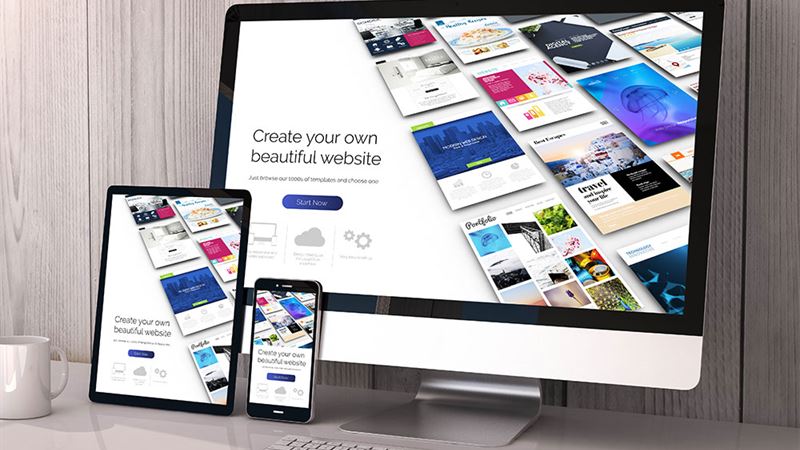
Creating a compelling and professional website has become more accessible than ever, thanks to a variety of user-friendly website builders designed for both novices and experienced developers. Whether you're aiming to start a personal blog, showcase a portfolio, or launch an e-commerce store, selecting the right platform is crucial for success. In this comprehensive guide, we explore the top five website building tools that empower you to craft your own site with ease, flexibility, and advanced features. From intuitive drag-and-drop interfaces to robust analytics and e-commerce integrations, these platforms offer a range of functionalities suitable for every need and budget.
1. Weebly – Simplicity Meets Practical Functionality
Weebly stands out as one of the most straightforward website builders available today. Its intuitive drag-and-drop editor simplifies the web design process, making it an excellent choice for beginners with minimal technical experience. The platform offers a variety of professionally designed templates that can be customized to match your branding or personal style.
Despite its ease of use, Weebly has certain limitations in terms of design flexibility and third-party integrations. It lacks extensive options for mobile site customization compared to more advanced builders, which might be a consideration if mobile optimization is a primary concern for your business.
One significant advantage of Weebly is its free plan, allowing users to create a basic website free of charge. However, this plan displays Weebly advertisements and uses a subdomain. For entrepreneurs interested in monetizing their sites, Weebly offers an ad-free plan starting at approximately $12 per month, which includes analytics tools and e-commerce capabilities built into the platform.
2. GoDaddy – Domain Authority and Hosting Power
Recognized predominantly for its domain registration services, GoDaddy has expanded into the website builder arena with features tailored for small businesses and entrepreneurs. Its platform emphasizes ease of access to custom domain names, integrated web hosting, and straightforward site creation tools.
The design templates available through GoDaddy are comparable to those offered by other builders, but the emphasis is on simplicity and quick setup rather than extensive design versatility. The free plan enables users to launch a website with essential features, including support for email marketing, social media integrations, PayPal payments, and SSL security, all without upfront costs.
For those seeking more advanced SEO tools and marketing options, GoDaddy offers premium plans starting at around $15 per month. Additional e-commerce functionalities are available for approximately $10 per month, allowing seamless product listings and checkout options. However, it's important to note that domain registration costs are typically separate, which can add to the overall expenses.
3. WordPress – The Classic Platform with Modern Flexibility
Initially created as a blogging platform, WordPress has evolved into a comprehensive website building solution favored for its flexibility and scalability. Its open-source nature means users have access to thousands of themes and plugins, enabling the creation of highly customized websites tailored to specific needs.
WordPress offers an intuitive drag-and-drop approach for designing pages, similar to other modern builders, yet retains a level of complexity that might require a learning curve for complete novices. The platform is cost-effective, with a free version available, but hosting fees and premium themes or plugins may incur additional costs.
Basic plans start at just $4 per month for ad-free sites with 6GB of storage, making it one of the most affordable options for small projects. For growing e-commerce sites, plans at $8 per month provide 13GB of storage, alongside features like WooCommerce integration, which allows you to set up online stores with product variations, payment gateways, and inventory management.
4. BigCommerce – Designed for Growing E-commerce Businesses
For medium to large-scale online stores, BigCommerce provides a robust platform with a suite of advanced features designed to handle increased traffic, product volume, and sales complexity. It offers scalable pricing plans with extensive functionalities tailored specifically for e-commerce enterprises.
The learning curve may be steeper compared to simpler builders like Weebly or Wix, but the payoff is a highly flexible and powerful storefront. The Standard plan, priced at approximately $29 per month, includes unlimited products, users, bandwidth, and storage, with no transaction fees, making it ideal for rapidly expanding businesses.
Additionally, BigCommerce integrates seamlessly with popular online marketplaces and social media channels, enabling you to expand your reach effortlessly. Its comprehensive analytics and marketing tools help you optimize sales strategies and monitor performance, ensuring your e-commerce business grows sustainably.
5. Wix – The All-in-One Creative Powerhouse
Wix leads the market with its extensive template library and advanced customization options, making it the most popular choice for diverse website types. Its artificial design intelligence feature, Wix ADI, simplifies the website creation process by automatically generating personalized sites based on user preferences, greatly reducing setup time.
For users with web development skills, Wix also offers Velo, an open-platform development tool that allows coding with JavaScript, creating dynamic pages, and deploying complex web applications. This flexibility makes Wix suitable for both novices and professional developers.
The free plan, supported by Wix branding, is ideal for hobby projects, but for an ad-free experience and enhanced functionalities, paid plans start at around $14 per month. E-commerce features are available from roughly $50 per month, offering tools for product management, secure checkout, and marketing integrations to help you run a successful online store.
Conclusion
Choosing the perfect website building platform depends heavily on your specific needs, technical skill level, and budget. For beginners seeking simple and effective solutions, Weebly and Wix offer remarkable ease of use. Small business owners desiring integrated marketing and e-commerce should consider GoDaddy or WordPress, especially if cost-effectiveness is a priority. For scaling e-commerce ventures, BigCommerce provides enterprise-grade features that support rapid growth. By understanding each platform’s strengths and limitations, you can make an informed decision and launch a professional website that meets your goals and exceeds expectations.