
Premier Accredited Colleges for Respiratory Therapy Education and Certification
Discover top accredited colleges for respiratory therapy education that prepare students for successful careers. Featuring programs from Delaware Technical Community College and Middle Georgia State University, the article highlights program details, certification pathways, and industry insights to help aspiring respiratory therapists find the best educational fit. Learn how these colleges combine classroom learning with clinical experience to equip graduates for the growing healthcare demand. Start your journey toward a rewarding healthcare career with this comprehensive guide.
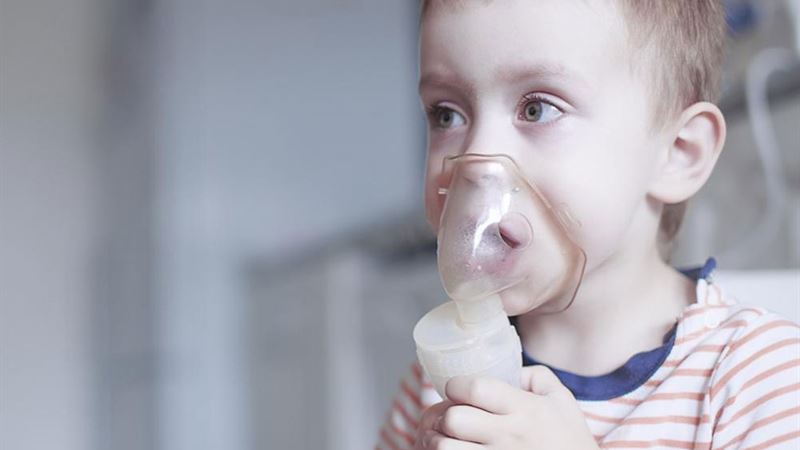
Entering the field of respiratory therapy requires a solid educational foundation, which is offered by various highly respected colleges across the country. These institutions not only provide rigorous academic training but also ensure accreditation by recognized bodies, giving students confidence in their qualifications and career prospects. Many of these colleges have established programs that prepare students to pass national certification exams and work effectively in healthcare settings. Their programs combine classroom instruction, practical clinical experience, and ongoing support to ensure graduates are fully equipped to meet industry standards.
- Delaware Technical Community College – Owens Campus: Located in the Georgetown area of Delaware, this college offers comprehensive respiratory therapy programs designed for aspiring healthcare professionals. The college provides both a specialized technical respiratory therapy diploma and an associate degree in respiratory assisting, which are structured to meet industry standards. Graduates from these programs are eligible to apply for certification by the National Board for Respiratory Care (NBRC), enabling them to obtain Certified Respiratory Therapist (CRT) or Registered Respiratory Therapist (RRT) credentials. The college prides itself on affordability, with tuition fees that accommodate students from diverse financial backgrounds, thereby making quality respiratory education accessible to more individuals.
- Delaware Technical Community College – Stanton/Wilmington Campus: Another excellent option for those pursuing careers in respiratory therapy is the Stanton/Wilmington campus of Delaware Technical Community College. The associate degree program is designed to develop a student's expertise in essential skills, including patient assessment, airway management, and ventilator management. This program emphasizes both theoretical knowledge and practical experience, preparing graduates for successful entry into the workforce or further academic pursuits. Graduates can choose to advance their education by transferring to four-year institutions or directly sit for national certification exams to start their careers as licensed respiratory therapists.
- Middle Georgia State University: Middle Georgia State University offers an Associate of Science degree in Respiratory Therapy, geared toward students seeking a comprehensive understanding of respiratory healthcare. This five-semester program provides a blend of classroom data, hands-on clinical training, and research projects, equipping students with the skills needed for contemporary respiratory practice. The institution's high retention rate of 68% indicates a supportive educational environment conducive to student success. Recognized among leading respiratory therapy schools in the United States, Middle Georgia State University prepares students for both certification exams and practical work environments, making it a top choice for aspiring respiratory therapists.
In addition to these programs, many colleges and universities nationwide offer accredited respiratory therapy courses that align with industry standards. Prospective students should verify the accreditation status of any program by checking with relevant accrediting bodies such as the Commission on Colleges of the Southern Association of Colleges and Schools (SACS) or the National Board for Respiratory Care (NBRC). Enrolling in an accredited program ensures your education meets the required quality benchmarks, facilitates easier certification procedures, and improves employment prospects upon graduation. Many of these institutions also emphasize clinical placements, internships, and real-world experience, which are crucial for developing competencies necessary for professional success. Additionally, with advancements in healthcare technology, programs increasingly incorporate simulation labs, digital learning tools, and interdisciplinary training to prepare students for the complexities of modern respiratory therapy.
Aspiring respiratory therapists should also consider factors such as program duration, tuition fees, available financial aid, and opportunities for transfer or continuing education when choosing a college. It's essential to select a program that not only meets your career goals but also fits your personal circumstances. Successful completion of these programs opens pathways to certification exams, licensure, and rewarding careers in hospitals, clinics, emergency care, and home healthcare services. The demand for respiratory therapists continues to grow due to rising respiratory illnesses, technological advances, and an aging population, making this a promising career choice for the future.
In summary, selecting an accredited college for respiratory therapy is a critical step toward building a successful healthcare career. The programs offered by Delaware Technical Community College and Middle Georgia State University exemplify high standards, affordability, and a focus on real-world skills. Whether you’re just beginning or looking to advance your credentials, choosing the right educational institution ensures you are well-prepared to meet industry demands and contribute meaningfully to patient care and safety.