
Comprehensive Advantages of Remote Education: A Deep Dive into Distance Learning Benefits
Discover the extensive advantages of distance learning, including convenience, cost savings, flexible pacing, skill development, and environmental benefits. Learn why remote education has become a vital component of modern education systems worldwide and how it empowers learners to achieve their goals from anywhere in the world.
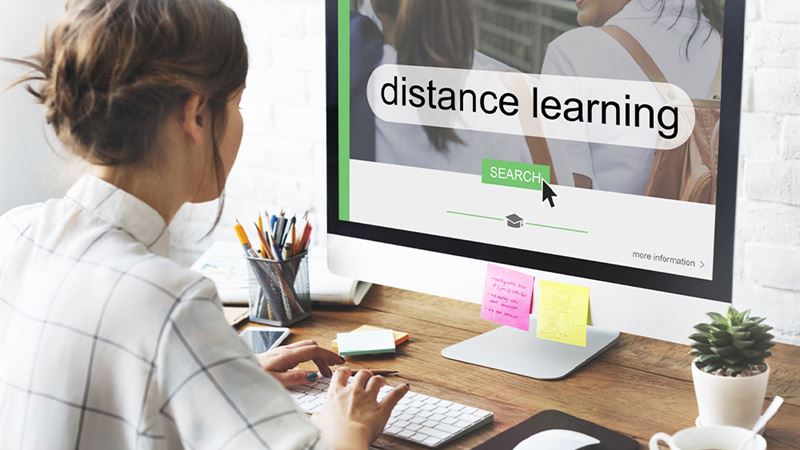
Learning from the Comfort of Your Home
One of the most significant benefits of distance education is the unparalleled convenience it offers. Learners can access coursework, attend lectures, and participate in discussions directly from their own living rooms or any preferred environment, eliminating the need for commuting to campus. This flexibility allows individuals to create a personalized learning environment, minimize travel time, and allocate more energy to academic pursuits. With the recent global health crises, such as the COVID-19 pandemic, the importance and safety of remote learning have become even more apparent, enabling continuous education without risking health or safety.
Cost-Effectiveness and Financial Savings
One of the compelling reasons many opt for online education is the affordability it provides. Traditional education often involves substantial costs, including tuition, commuting expenses, accommodation, and printed study materials. In contrast, distance learning reduces or eliminates many of these expenditures. Many online courses offer digital resources at little to no extra cost, and students can choose flexible payment options, such as installment plans or pay-per-class structures. Additionally, learners save money by avoiding transportation costs and stay-at-home during study, all while accessing high-quality education from reputed institutions, which often provide free or low-cost digital textbooks and resources. This financial accessibility democratizes education, making it available to a broader population.
Ease of Access to Resources and Study Materials
In a traditional classroom setting, access to learning materials can sometimes be limited to physical copies or scheduled library hours. Distance learning breaks down these barriers by making all educational content available online, 24/7. Digital repositories, online libraries, and dedicated learning portals enable students to retrieve lecture notes, assignments, readings, and multimedia resources conveniently. This seamless access promotes independent learning, fosters better organization, and allows students to swiftly navigate and manage their studies. Furthermore, the digital nature of coursework means learners can access their materials from anywhere in the world, opening up educational opportunities irrespective of geographical location.
Control Over Learning Pace and Personalization
One of the unique advantages of online education is the ability to learn at one's own speed. Learners can pause, replay, and review lectures or materials as many times as needed to grasp complex concepts fully. This flexibility caters to diverse learning styles, enabling students who need extra time to understand content or fast learners to advance more rapidly. Self-paced learning encourages a more personalized educational experience, empowering students to tailor their studies according to their individual needs, schedules, and commitments. It enhances retention, comprehension, and overall academic success.
Development of Soft Skills for Future Success
Distance education is not just about acquiring academic knowledge; it also fosters essential soft skills that are invaluable in professional settings. Online learners develop strong time management abilities as they balance coursework with personal and professional responsibilities. The independent nature of remote learning cultivates self-discipline, motivation, and initiative. Navigating digital platforms enhances technological literacy, while participating in online discussions and group projects promotes teamwork and communication skills. These soft skills significantly contribute to career advancement and personal growth, equipping students with competencies that are highly sought after in today’s competitive job market.
Enhanced Learning Environment and Focus
Studying in a familiar, comfortable environment often results in better concentration and learning outcomes. Distance learning allows students to choose their ideal study conditions, whether that’s a quiet library, a cozy corner at home, or a bustling coffee shop. The absence of classroom distractions and peer pressure helps learners maintain focus, leading to improved understanding and retention of information. Moreover, the flexibility to study during times when they feel most alert—be it early mornings or late nights—further enhances the quality of learning and academic performance.
Reduction in Stress and Anxiety Levels
Certain learning environments can induce stress, especially for individuals who experience anxiety in social or competitive academic settings. Distance education alleviates these concerns by providing a stress-free context where learners can proceed at their own pace without the immediate pressure of peers or time constraints. The familiarity of one's environment—home, library, or any chosen space—creates a calm atmosphere conducive to effective studying. This reduction in stress not only improves mental health but also increases motivation, engagement, and overall academic achievement.
Environmental Impact and Sustainability
For eco-conscious individuals, remote learning offers a sustainable alternative to traditional education methods. By eliminating the need for daily commuting to campuses or training centers, it significantly reduces carbon emissions. Additionally, digital course materials decrease the reliance on paper, supporting conservation efforts and reducing environmental waste. Embracing online education is a step toward greener living, aligning personal educational choices with broader sustainability goals.
As the world continues to adapt to technological advancements and changing societal needs, distance education is poised to become an even more integral part of global learning systems. The ability to access high-quality education from anywhere, combined with the myriad benefits discussed, makes it an attractive choice for learners across all age groups and backgrounds. Whether for career advancement, skill development, or personal growth, online learning continues to open doors and reshape the future of education. The comprehensive benefits of distance learning make it a compelling option deserving serious consideration for anyone eager to learn flexibly, affordably, and sustainably.