
Comprehensive Strategies for Managing Chronic Endometriosis Discomfort
Discover comprehensive strategies for managing chronic endometriosis pain, including lifestyle adjustments, diet, stress management techniques, alternative therapies, and medical options. Learn how to reduce discomfort and improve your quality of life with practical, evidence-based methods tailored for women suffering from this chronic condition.
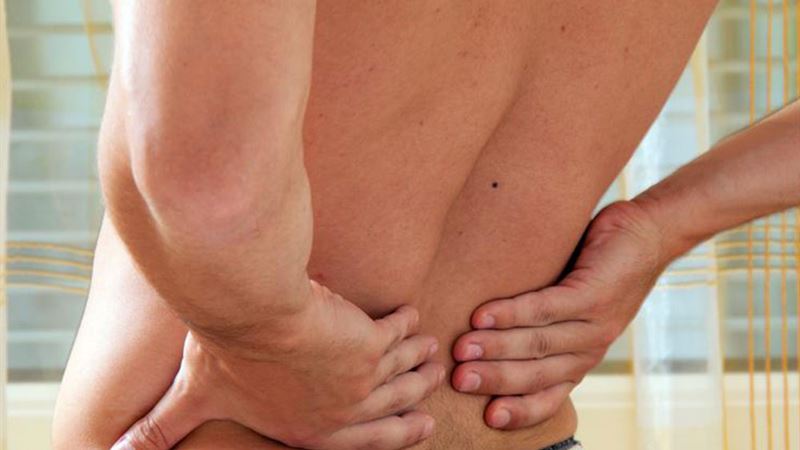
Chronic endometriosis pain is a persistent condition that profoundly affects many women’s quality of life. Unlike typical menstrual cramps, endometriosis symptoms can be intense, debilitating, and difficult to manage. Although a definitive cure remains elusive, numerous management techniques can alleviate symptoms and improve daily functioning. This extensive guide explores various approaches—lifestyle modifications, dietary strategies, stress reduction methods, alternative therapies, and medical interventions—that can help women better cope with and even reduce the severity of endometriosis-related pain. Understanding and implementing these methods can provide hope and relief for those suffering from this chronic condition.
Regular Physical Activity as a Pain Management Tool
Engaging consistently in physical activity has shown significant benefits in managing endometriosis symptoms. Exercise enhances circulation, boosts oxygen delivery, and stimulates the release of natural painkillers called endorphins, thereby reducing discomfort. Additionally, regular workouts help lower estrogen levels, a hormone often linked to endometriosis progression and severity. By maintaining a balanced routine of physical activity, women can experience a reduction in pain intensity and frequency.
- Activities such as swimming, running, cycling, and brisk walking are highly effective in promoting overall well-being.
- Consistent exercise not only alleviates pain but also diminishes stress, enhances mood, and improves sleep quality.
- Implementing a moderate-intensity workout routine tailored to individual fitness levels can be highly beneficial.
Building a regular exercise regimen into your lifestyle can serve as a cornerstone for managing endometriosis discomfort.
Optimizing Dietary Habits to Reduce Endometriosis Symptoms
Diet plays a crucial role in managing inflammatory conditions like endometriosis. Certain foods can either escalate or alleviate symptoms by influencing estrogen levels, prostaglandin activity, and inflammatory responses.
- Research indicates that consuming more green vegetables, fresh fruits, and minimally processed foods can lower the risk of severe endometriosis pain by up to 40%.
- In contrast, diets high in red meats, processed meats, and saturated fats are associated with an increased risk—up to 80-100%—of severe symptoms.
- Focusing on healthy fats rich in omega-3 fatty acids can have protective effects, with foods like salmon, walnuts, flaxseeds, and chia seeds helping to decrease inflammation and pain by approximately 22%.
Adopting an anti-inflammatory diet tailored towards whole, unprocessed foods can significantly improve quality of life for women coping with endometriosis.
Managing Stress to Alleviate Pain
High stress levels can exacerbate endometriosis symptoms by increasing inflammatory responses and disrupting hormonal balance. Therefore, incorporating effective stress management techniques is vital for symptom relief.
- Progressive muscle relaxation involves systematically tensing and relaxing muscle groups to promote deep relaxation.
- Autogenic training teaches the body to respond to verbal cues, helping to regulate vital functions such as blood pressure, temperature, and heart rate.
- Deep breathing exercises—slowly inhaling through the nose and exhaling through the mouth—enhance oxygenation and promote calmness.
- Visualization techniques, which involve mentally imagining peaceful scenes or scenarios, can reduce anxiety and pain perception.
Practicing these relaxation strategies regularly can help women gain better control over their symptoms and improve emotional resilience.
Exploring Alternative and Complementary Therapies
While scientific evidence for some alternative therapies remains limited, many women find relief through these methods. Consulting healthcare professionals before starting any new treatment is prudent.
- Osteopathic manipulative treatment (OMT) employs gentle hands-on techniques like stretching, pressure, and resistance to ease muscular tension and joint discomfort often linked to endometriosis.
- Acupuncture, a traditional Chinese practice, stimulates specific points to release pain-relieving endorphins, decrease inflammation, and modulate brain activity associated with pain perception.
- Additional options include dietary supplements, vitamins, herbal remedies, and traditional Chinese medicines, which some women report as beneficial.
These therapies should be viewed as complementary approaches and used alongside conventional medical treatments under professional guidance.
Medical Treatment Options
In cases where lifestyle and natural therapies do not provide sufficient relief, medical interventions may be necessary. These include hormonal therapies, pain relievers, and surgical procedures tailored to the individual’s condition.
Always consult with a healthcare professional to determine the most appropriate treatment plan, considering potential side effects and personal health history.
Understanding and adopting a multi-faceted approach to managing endometriosis can markedly improve comfort and overall well-being. Patience, consistency, and professional support are essential components on this journey towards pain relief.