
Effective Strategies for Reducing Persistent Abdominal Fat
Discover scientifically proven methods to effectively target and reduce stubborn belly fat. This comprehensive guide covers calorie management, optimized workout routines including HIIT and strength training, dietary adjustments emphasizing whole foods and protein, and the importance of sleep and lifestyle changes. Learn how to create a sustainable plan tailored to your needs for lasting fat loss results. Whether aiming for quick results or long-term health, these expert tips will help you achieve a flatter abdomen safely and effectively.
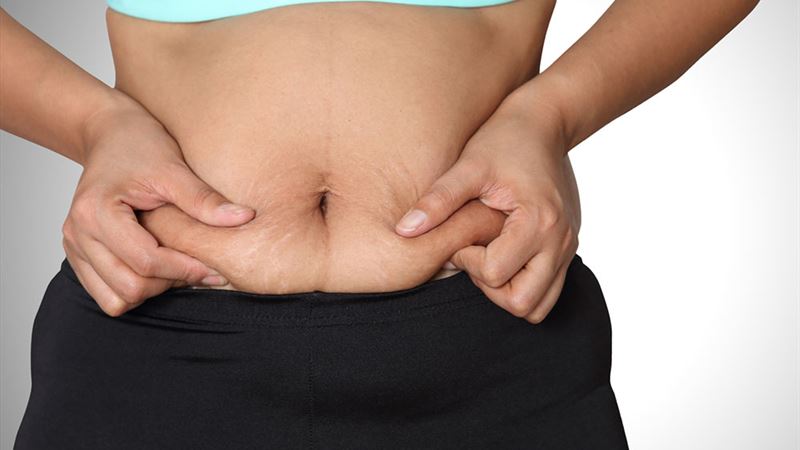
To begin, understanding your daily caloric needs is crucial. Factors such as age, gender, weight, height, and activity level influence your baseline calorie requirement. Once you determine your maintenance level, you can create a modest deficit—typically between 20% to 25%. For example, if your daily maintenance is around 2,000 calories, reducing intake by approximately 400-500 calories per day is effective. This moderate deficit accelerates fat loss while minimizing muscle loss and nutritional deficiencies.
Research from the University of Jyväskylä highlights the benefits of a higher calorie deficit. A controlled study with athletes demonstrated that those maintaining a 20% to 25% deficit lost more fat within a month compared to those with a lesser deficit. Participants in the larger deficit group shed about 4.4 pounds on average, emphasizing that sustained calorie restriction is a potent method for fat reduction. However, meticulous diet tracking—using apps or food diaries—is vital to ensure accuracy and avoid under-eating, which can hinder progress.
Partnering with a dietitian can optimize your weight loss plan, ensuring that your nutritional needs are met while keeping calories in check. Emphasizing nutrient-dense foods such as vegetables, fruits, lean proteins, and whole grains supports overall health and sustains energy levels, making it easier to maintain a calorie deficit long-term.
Physical activity plays an equally critical role in reducing stubborn belly fat. While traditional cardio exercises like jogging, cycling, or using an elliptical machine are popular, they are often less efficient for targeted fat loss. Instead, incorporating strength training and high-intensity interval training (HIIT) yields better results, especially when aiming for rapid and sustainable fat burning.
Creating a balanced workout schedule that includes 2-3 strength training sessions per week helps preserve lean muscle mass, which is vital for increasing resting metabolic rate. Building muscle tissue ensures that you burn more calories even when at rest—a phenomenon known as the thermic effect of activity. In addition, engaging in at least two HIIT workouts weekly can significantly accelerate fat loss through short bursts of intense exercise followed by recovery periods.
- Enhancing Insulin Sensitivity: Regular HIIT improves the body's ability to utilize blood sugar efficiently, preventing excess calories from converting into fat, especially around the abdomen.
- Sustained Metabolic Boost: Unlike steady-state cardio, HIIT elevates metabolism for up to 24 hours after an session, leading to continued calorie burn.
- Increasing Energy Levels: HIIT stimulates catecholamine hormone production, which mobilizes fat stores for energy, making workouts more effective.
Studies consistently demonstrate that brief, intense workout sessions, lasting just 20-30 minutes, can outperform longer, moderate-intensity routines in terms of fat reduction. Integrating these exercises into your weekly routine ensures steady progress toward a flatter stomach and a healthier physique.
Diet modification is fundamental for effective belly fat loss. However, the goal is not to drastically cut calories to the point of starvation, which can backfire by slowing metabolism and triggering fat preservation mechanisms. Instead, adopting a balanced, nutrient-rich diet promotes sustainable weight loss and overall well-being.
Collaborating with a dietitian can tailor a plan that considers your age, weight, activity levels, and metabolic rate. Incorporating smartphone apps can further streamline tracking and adherence. Focus on eliminating processed and fast foods that are high in added sugars, unhealthy fats, and empty calories. Instead, prioritize whole, minimally processed foods such as:
- Fresh fruits and vegetables
- Whole grains like brown rice, oats, and unrefined wheat
- Low-fat dairy products
- Seafood, lean meats, and poultry from free-range sources
- Healthy nuts and seeds
Limiting sugar, refined grains, and alcohol is essential. These contribute to increased abdominal fat and insulin resistance. Substituting sugar-laden snacks with high-protein options such as lean beef, chicken breast, fish, tofu, or whey protein enhances fat burning. Protein-rich foods support muscle maintenance, boost feelings of fullness, and aid in calorie control.
Sleep quality and duration are often overlooked but are crucial to losing stubborn belly fat. Adequate sleep helps regulate blood sugar levels, reduces cravings, and keeps hormonal balance in check—particularly hormones related to hunger and satiety like ghrelin and leptin. When sleep is disrupted, it’s common to experience increased appetite and decreased motivation for physical activity, hampering fat loss efforts.
Strive for 7-9 hours of restful sleep each night. Establishing a regular sleep schedule, avoiding screens before bedtime, and creating a calming sleeping environment promote better rest. These habits support your fat reduction goals and contribute to overall health and energy levels.
If your aim is to lose a significant amount of belly fat within a short period, such as one week, the focus should be on a comprehensive approach that covers diet, exercise, sleep, and stress management. Start by eliminating or reducing high-sugar foods and beverages from your diet. Incorporate complex carbohydrates wisely to avoid feelings of deprivation or starvation.
Consulting fitness professionals can provide personalized exercise routines tailored to your body type and goals. Long-term success depends on adopting sustainable habits rather than quick fixes. Remember, consistency and patience are key. The combination of these strategies can lead to noticeable improvements in belly fat levels and overall health over time.