The Saturn S-Series is a compact car renowned for its affordability, safety innovations, and practical features. Launched in the early 1990s, it offered a range of models with refined exterior styles, spacious interiors, reliable performance, and innovative safety features like curtain airbags. Known for its rust-resistant polymer panels and no-haggle pricing, the S-Series was ideal for budget-conscious buyers seeking durable and efficient transportation. Its versatile design included sedans, coupes, and wagons, making it a beloved choice for families and commuters alike. This comprehensive review explores all its key features in detail.
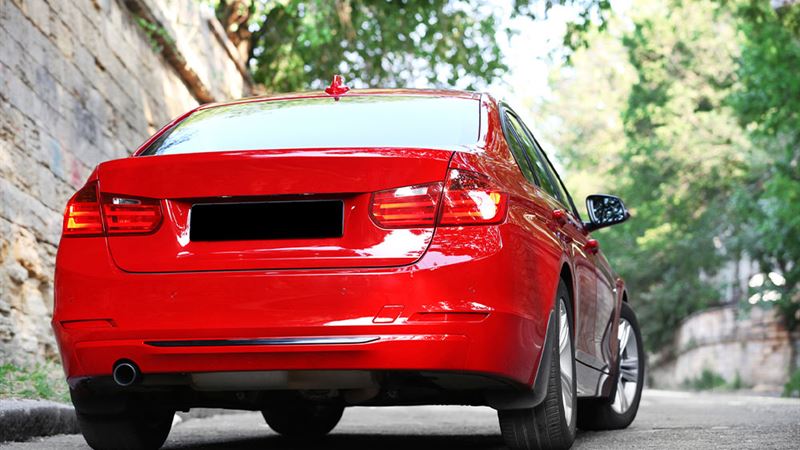
The Saturn S-Series was a notable line of compact vehicles manufactured by General Motors under the Saturn brand. Launched in the early 1990s, these cars gained popularity for their innovative features, affordability, and user-friendly buying experience. The S-Series included various models such as sedans, coupes, and wagons, all designed with practicality and durability in mind. This series was known for its distinctive platform—the 'z body'—which contributed to a lightweight yet sturdy design, making it an attractive option for budget-conscious consumers seeking reliable transportation.
Throughout its production run, the Saturn S-Series was distinguished by several key attributes. The vehicles featured straightforward, no-haggle pricing policies, making the purchasing process transparent and stress-free for customers. Additionally, a broad network of dealerships across the country ensured accessible service and support. The series was first introduced with the 1991 model year, and from that point forward, Saturn continually refined the lineup, introducing subtle design refreshes and upgrades to keep the models looking modern and competitive.
In this detailed exploration, we will uncover the top features of the Saturn S-Series—from exterior design to interior comfort, engine performance, safety innovations, entertainment options, cargo capacity, and pricing. Whether you are a vintage car enthusiast, a potential buyer, or automotive industry analyst, understanding the nuances of this vehicle can provide valuable insights into its legacy and appeal.
Exterior Design and Build Quality
The exterior aesthetic of the Saturn S-Series evolved subtly over the years, maintaining a sleek yet practical silhouette. Different models received targeted updates— the coupe, hatchback, sedan, and wagon all showcased modifications to improve aerodynamics and visual appeal. The vehicles’ overall length measures approximately 178.1 inches, with a wheelbase of 102.4 inches, providing ample space for comfortable seating while Remaining compact enough for city driving.
The lower panels of the car are crafted from durable, rust-resistant polymer, significantly enhancing the vehicle's resistance to corrosion, especially in regions with harsh climates. Steel panels on the hood, trunk, and roof offer strength and structural integrity. The body panels were reshaped over different model years, particularly on the sporty SC coupe where a more aerodynamic profile was adopted. The front and rear fascias were refined periodically, ensuring that the S-Series continued to look fresh and modern during its lifecycle.
The body design incorporated dent-resistant materials, making it easier to maintain a crisp appearance over time. Curb appeal was further enhanced by optional alloy wheel covers and a choice of multiple exterior colors, including classic shades like blue, silver, black, and white.
Interior Comfort and Features
The interior of the Saturn S-Series was designed with practicality and comfort in mind. The cabin could comfortably seat five occupants, featuring two front bucket seats and a three-passenger rear bench. The front seats offered height adjustment and lumbar support, allowing drivers to tailor their seating position for optimum comfort—an underrated feature in compact cars of that era. The rear seats, while simple, provided adequate legroom and headroom for adult passengers, with a rear headroom of 39.3 inches and legroom measuring 42.5 inches.
The dashboard was streamlined with a one-piece instrument panel, housing easy-to-read gauges and controls. Standard equipment included a stereo radio, which was often upgraded to include a cassette player, and an optional CD player, catering to a range of entertainment preferences. A theft-deterrent system was included to enhance security. Additionally, the interior came equipped with thoughtful convenience features such as front cupholders, front door storage pockets, a passenger vanity mirror, and seatback pockets—a plus for daily commuters.
Materials chosen for upholstery consisted mainly of cloth, which was durable and easy to clean, creating an environment suited for both urban and suburban use. Interior lighting and manner of ergonomic design aimed to provide a pleasant driving experience, even on long journeys or daily commutes.
Powertrain Options and Driving Dynamics
The Saturn S-Series was powered by different engine configurations across its trims. The base models, such as the SL and SL1, came equipped with a 1.9-liter four-cylinder engine producing 100 horsepower—adequate for city driving and highway cruising. The more advanced SL2 trim featured an upgraded 1.9-liter engine that delivered 124 horsepower, enhancing acceleration and overall performance.
Transmission choices included a five-speed manual gearbox, which offered driver engagement and control, and an optional four-speed automatic transmission for those preferring ease of operation. The vehicle’s front-wheel drive layout contributed to predictable handling and stability, especially beneficial for everyday use.
Fuel efficiency was a standout feature, with EPA ratings approximating 22 miles per gallon in urban settings and up to 32 miles per gallon on highways. This combination of performance and economy made the S-Series an ideal choice for economical transportation without sacrificing daily usability.
Safety Innovations and Features
Safety was a focal point for the Saturn S-Series, incorporating several features aimed at protecting passengers. Advanced safety systems such as optional anti-lock brakes (ABS) and traction control were available to improve braking performance and stability in adverse conditions.
The vehicles also offered fresh safety innovations unique to their time. For instance, an optional curtain-style side-impact airbag was introduced to provide enhanced head protection during side collisions—a pioneering feature in the early 1990s. Other safety provisions included child seat anchors, child safety locks on rear doors, and emergency trunk release handles, ensuring both safety and convenience for families and everyday drivers alike.
Additional safety measures encompassed high-mounted seat belts, rear center lap belts, and reinforced passenger safety zones, all designed to meet or exceed industry standards for crashworthiness.
Entertainment and Connectivity Features
Entertainment options in the Saturn S-Series focused on providing enjoyable driving experiences. The standard audio system included AM/FM stereo with cassette capability, complemented by four speakers strategically placed around the cabin for balanced sound distribution. Higher trims featured a 6-disc CD changer, allowing occupants to effortlessly switch between music collections without interrupting their journey. These features catered to the needs of drivers who valued entertainment during commuting or road trips.
While technology from that era limited connectivity options, the focus on quality audio and ease of use made the S-Series appealing. Additionally, the vehicle's interior was designed with practical storage spaces, including glove compartments, door pockets, and seatback pockets, ensuring that daily essentials could be stored conveniently.
Cargo Capacity and Versatility
The Saturn S-Series provided a respectable cargo capacity, with approximately 12.1 cubic feet of trunk space—ample room for groceries, luggage, or everyday items. For added versatility, the rear seats were designed to fold down, creating a larger, flat cargo area for bulkier items or longer objects.
Wagon models offered even greater capacity and practicality, making them suitable for families, outdoor enthusiasts, or anyone requiring flexible storage solutions. The rear seat fold-down feature could be easily operated from the cargo area, enhancing convenience and usability in various scenarios.
Pricing Models and Variants
The Saturn S-Series was designed to be an affordable yet feature-rich vehicle, with pricing ranging from approximately $10,500 to $13,500 depending on the trim level and optional packages. The base model provided excellent value for daily commuters, while higher trims offered additional comforts and features that appealed to families and leisure drivers.
Alongside the base trim, consumers could opt for the SL and SL2 trims, each built with progressively more advanced features and performance enhancements. The straightforward pricing approach, coupled with a broad network of Saturn dealerships, made the S-Series accessible and popular among budget-conscious buyers seeking reliable transportation with modern amenities.
In conclusion, the Saturn S-Series remains a significant chapter in compact car history, boasting innovative safety, practical design, and economical operation. Its blend of affordability, durability, and thoughtful features continues to make it a memorable vehicle for drivers around the world.
