
Comprehensive Guide to Choosing the Right Agricultural Tires for Modern Farming
This comprehensive guide covers everything farmers need to know about selecting the best agricultural tires. Discover types, key features, top brands like Titan Tire and Pete’s Tire Barns, technological innovations, and essential maintenance tips. Make informed decisions to boost productivity, reduce costs, and protect your soil, ensuring your farm equipment operates at peak performance with durable, reliable tires tailored to your specific needs.
- Radial Farm Tires: These tires feature plies that run radially from the center of the tire to the edge, offering improved flexibility, better traction, and enhanced comfort. They typically provide lower rolling resistance, which can lead to fuel savings and reduced soil compaction. Radial tires are ideal for extensive fieldwork and long-distance hauling, making them a popular choice among modern farmers.
- Bias Ply Farm Tires: Constructed with plies arranged diagonally, bias tires are known for their ruggedness and ability to withstand heavy loads. They tend to have a stiffer sidewall, which provides stability during heavy-duty tasks. While they may offer less comfort compared to radial tires, bias ply tires remain valuable for specific applications like tillage and rough terrains.
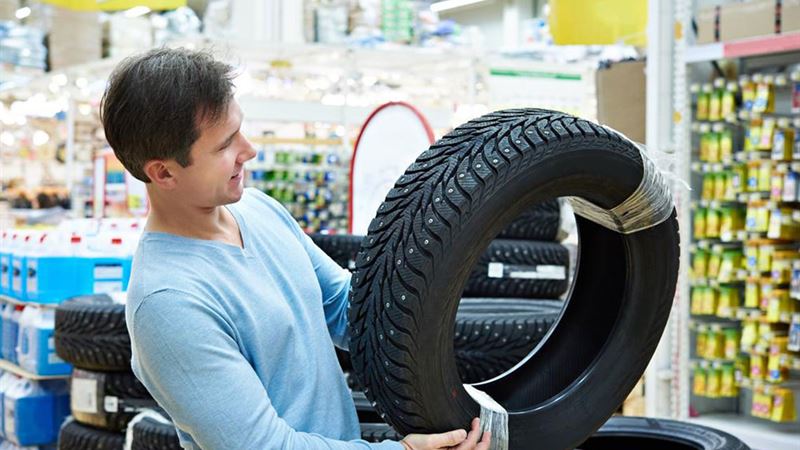
- Specialty Farm Tires: These include flotation tires, which are designed to distribute weight evenly to minimize soil disturbance; turf tires, used on equipment that operates on sensitive turf; and snow tires for winter conditions. The choice of specialty tires depends on specific farm needs and environmental conditions.
- Size and Compatibility: Ensuring the tire size matches your equipment specifications is fundamental. Incorrect sizing can lead to reduced efficiency or damage.
- Traction and Tread Pattern: Different tread patterns provide various levels of grip. For instance, lug patterns offer superior traction in muddy conditions, while rib patterns are suitable for dry, firm soils.
- Durability and Construction: High-quality materials and construction techniques like reinforced sidewalls can extend tire lifespan and resistance to punctures.
- Load Capacity: The tire must be capable of handling the maximum load of the equipment to prevent failures.
- Technology and Innovations: Features such as Low Side Wall (LSW) technology help improve stability and reduce soil compaction.
- Pete’s Tire Barns Inc.: A trusted name in the industry, this family-owned business, established in 1938, specializes in providing a wide selection of farm tires, including radial and bias ply options. They import top brands such as BKT, Carlisle, Firestone, Galaxy, Michelin, and Nokian, often stocking hard-to-find sizes to meet specific farm needs. Their comprehensive online store allows farmers to browse and purchase tires conveniently, ensuring they get the right fit for their equipment.
- Titan Tire Corporation: Acquired by Goodyear, Titan Tire has become a prominent global manufacturer of agricultural tires. With a vast network of dealerships worldwide, Titan offers durable and reliable tires suitable for various farm machinery. Their products incorporate innovative features like Low Side Wall (LSW) technology, which reduces tire sway, enhances stability, and minimizes soil compaction. Made in the U.S., Titan tires are recognized for their quality, longevity, and performance under demanding farming conditions.
- Enhanced Traction: Advanced tread designs and rubber compounds improve grip, even in challenging terrains like mud or loose soil.
- Fuel Efficiency: Radial tires with low rolling resistance help reduce fuel consumption, leading to cost savings.
- Soil Preservation: Flotation tires distribute weight more evenly, decreasing soil compaction, which is vital for healthy crop growth.
- Longer Lifespan: High-quality construction, reinforced sidewalls, and innovative materials extend tire life, providing better value over time.
- Safety and Stability: Technologies such as LSW reduce sway and power hopping, ensuring safer operation and less operator fatigue.
- Regular Inspection: Check for cuts, cracks, punctures, and signs of wear before each use.
- Proper Inflation: Maintain correct tire pressure as per manufacturer guidelines to optimize performance and prevent uneven wear.
- Alignment and Balancing: Ensure proper wheel alignment and balance to avoid premature tire damage.
- Cleaning: Remove mud, debris, and chemicals from tires to prevent deterioration.
- Storage: Store tires in a cool, dry place when not in use to prevent UV damage and cracking.
Choosing the right agricultural tires is essential for maximizing farm productivity, protecting your machinery, and safeguarding your soil. With a wide array of options available—from radial to bias ply and specialty tires—farmers need to consider their specific operational needs, environmental conditions, and equipment compatibility. Leading brands like Pete’s Tire Barns and Titan Tire offer innovative solutions designed to meet these demands. Proper maintenance further extends tire life and maintains optimal performance. Invest in quality tires and care to ensure your farming operations run smoothly and efficiently for years to come.