
Comprehensive Strategies for Managing Post-Shingles Discomfort
Effective management of post-shingles pain involves a comprehensive approach combining medications, natural remedies, dietary adjustments, and lifestyle changes. This detailed guide offers insights into pharmaceutical options like nerve stabilizers and epidural injections, alongside natural treatments such as healing baths and topical creams. Emphasizing personalized care, the article highlights the importance of diet, hydration, stress management, and preventive measures like vaccination. By following these strategies, individuals can alleviate long-term nerve pain and enhance their recovery process, ultimately improving their quality of life after shingles.
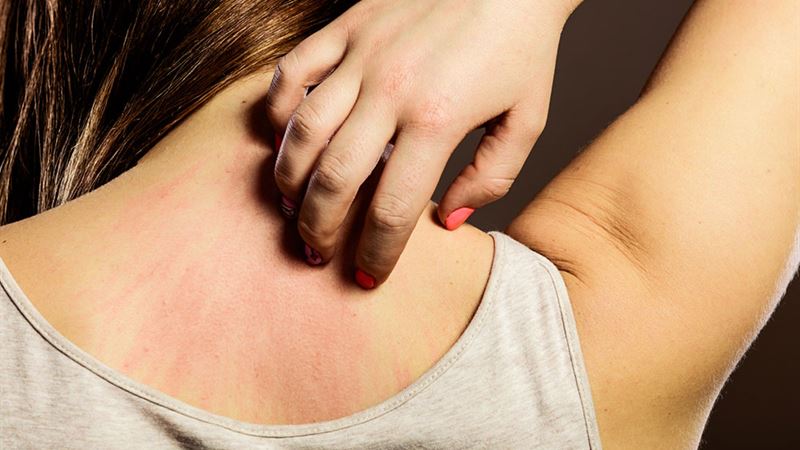
Experiencing pain after a shingles outbreak can be both physically and emotionally challenging. Fortunately, there are numerous approaches to alleviate this discomfort and support your recovery process. From medication options to natural remedies, understanding various treatment strategies can help you find the most effective way to manage post-shingles pain and improve your quality of life.
Shingles, caused by the reactivation of the varicella-zoster virus, often leave lingering nerve pain known as postherpetic neuralgia. This pain can persist long after the skin lesions have healed. To address this, a combination of pharmaceutical interventions and holistic approaches can be utilized to reduce nerve inflammation, soothe irritated skin, and restore comfort.
**Pharmacological Treatments for Post-Shingles Pain**
One of the primary methods to combat persistent shingles pain involves medications tailored to target nerve discomfort and inflammation. These medications include:
**1. Painkillers and Analgesics:**
Over-the-counter or prescription pain relievers such as acetaminophen or NSAIDs can provide mild relief. For more severe pain, doctors might prescribe opioids, though these are used cautiously due to dependency risks.
**2. Antidepressants:**
Tricyclic antidepressants like amitriptyline are frequently employed to reduce nerve pain. They modulate nerve signals and can significantly diminish discomfort associated with post-shingles neuralgia.
**3. Anticonvulsants:**
Medications such as gabapentin or pregabalin are effective in calming overactive nerve signals and alleviating chronic pain. These drugs are often prescribed for nerve-related conditions, including shingles aftermath.
**4. Corticosteroid Injections:**
Local injections into the epidural space near the spinal cord can reduce inflammation and nerve irritation. Thoracic epidural injections, in particular, are used to target pain originating from nerves in the thoracic region, providing relief and facilitating recovery.
**5. Membrane Stabilizers:**
Certain drugs that stabilize nerve membranes, like carbamazepine, can help in reducing nerve excitability and pain.
Shingles, caused by the reactivation of the varicella-zoster virus, often leave lingering nerve pain known as postherpetic neuralgia. This pain can persist long after the skin lesions have healed. To address this, a combination of pharmaceutical interventions and holistic approaches can be utilized to reduce nerve inflammation, soothe irritated skin, and restore comfort.
**Pharmacological Treatments for Post-Shingles Pain**
One of the primary methods to combat persistent shingles pain involves medications tailored to target nerve discomfort and inflammation. These medications include:
**1. Painkillers and Analgesics:**
Over-the-counter or prescription pain relievers such as acetaminophen or NSAIDs can provide mild relief. For more severe pain, doctors might prescribe opioids, though these are used cautiously due to dependency risks.
**2. Antidepressants:**
Tricyclic antidepressants like amitriptyline are frequently employed to reduce nerve pain. They modulate nerve signals and can significantly diminish discomfort associated with post-shingles neuralgia.
**3. Anticonvulsants:**
Medications such as gabapentin or pregabalin are effective in calming overactive nerve signals and alleviating chronic pain. These drugs are often prescribed for nerve-related conditions, including shingles aftermath.
**4. Corticosteroid Injections:**
Local injections into the epidural space near the spinal cord can reduce inflammation and nerve irritation. Thoracic epidural injections, in particular, are used to target pain originating from nerves in the thoracic region, providing relief and facilitating recovery.
**5. Membrane Stabilizers:**
Certain drugs that stabilize nerve membranes, like carbamazepine, can help in reducing nerve excitability and pain.
**Natural and Home-Based Remedies for Post-Shingles Pain Relief**
Natural approaches can complement medical treatments and provide additional comfort. Here are some effective home remedies to ease symptoms:
**Healing Baths:**
Regular cleansing of blisters and skin with soothing baths can prevent infection and reduce discomfort. A gentle bath infused with colloidal oatmeal or cornstarch soothes inflamed skin. Prepare this by mixing a few cups of colloidal oatmeal with lukewarm water, soaking for 15-20 minutes, and maintaining hygiene afterward to prevent infection spread.
**Cold Compresses:**
Applying cold packs or ice wrapped in a towel to the affected areas can numb nerve endings and decrease pain. Using a cold cloth multiple times daily can help manage itchiness and soothe irritated skin.
**Topical Lotions and Creams:**
Choose unscented, soothing lotions formulated for sensitive skin to prevent irritation. Creams containing capsaicin—a natural compound with anti-inflammatory properties—can directly target nerve endings, offering substantial pain relief. Apply these creams post-bathing for optimal effect.
**Dietary Adjustments:**
Adopting an anti-inflammatory diet can bolster your immune response and reduce nerve inflammation. Focus on consuming leafy greens, eggs, dairy products, lean meats, legumes, spinach, and tomatoes. Limit or avoid foods rich in sugar, processed chocolates, high saturated fats, and nuts, as these may exacerbate inflammation.
**Herbal and Homeopathic Remedies:**
Herbal treatments like lemon balm and green tea have soothing properties and can aid in nerve healing. Essential fatty acids support nerve repair and overall health. Before incorporating any herbal supplements, consult your healthcare provider to ensure safety and efficacy.
**DIY Pastes andtopical applications:**
Mix equal parts baking soda and cornstarch to form a paste which, when applied to the affected skin, can reduce pain and itching. Leave on for 15-20 minutes before rinsing off. This natural remedy can ease discomfort effectively.
**Importance of Hydration and Rest:**
Keeping well-hydrated and allowing your body ample rest is vital. Proper sleep promotes healing and can reduce the severity of nerve pain.
**Long-term Management and Preventive Strategies**
Persistent nerve pain requires ongoing management. Regular follow-ups with your healthcare provider are essential to adapt your treatment plan. Vaccinations, such as the shingles vaccine, can help prevent future outbreaks and reduce the risk of chronic pain development.
**Psychological Support and Stress Management:**
Chronic pain can lead to emotional stress and depression. Engaging in stress-reduction techniques like meditation, yoga, or counseling can improve your overall well-being and complement your physical treatments.
In conclusion, managing pain after shingles involves a multifaceted approach combining medications, natural remedies, lifestyle changes, and psychological support. Seek personalized advice from healthcare professionals to craft an effective pain management strategy, ensuring relief and a better quality of life as you recover. With patience and appropriate care, most individuals find significant improvement in their symptoms over time.
Natural approaches can complement medical treatments and provide additional comfort. Here are some effective home remedies to ease symptoms:
**Healing Baths:**
Regular cleansing of blisters and skin with soothing baths can prevent infection and reduce discomfort. A gentle bath infused with colloidal oatmeal or cornstarch soothes inflamed skin. Prepare this by mixing a few cups of colloidal oatmeal with lukewarm water, soaking for 15-20 minutes, and maintaining hygiene afterward to prevent infection spread.
**Cold Compresses:**
Applying cold packs or ice wrapped in a towel to the affected areas can numb nerve endings and decrease pain. Using a cold cloth multiple times daily can help manage itchiness and soothe irritated skin.
**Topical Lotions and Creams:**
Choose unscented, soothing lotions formulated for sensitive skin to prevent irritation. Creams containing capsaicin—a natural compound with anti-inflammatory properties—can directly target nerve endings, offering substantial pain relief. Apply these creams post-bathing for optimal effect.
**Dietary Adjustments:**
Adopting an anti-inflammatory diet can bolster your immune response and reduce nerve inflammation. Focus on consuming leafy greens, eggs, dairy products, lean meats, legumes, spinach, and tomatoes. Limit or avoid foods rich in sugar, processed chocolates, high saturated fats, and nuts, as these may exacerbate inflammation.
**Herbal and Homeopathic Remedies:**
Herbal treatments like lemon balm and green tea have soothing properties and can aid in nerve healing. Essential fatty acids support nerve repair and overall health. Before incorporating any herbal supplements, consult your healthcare provider to ensure safety and efficacy.
**DIY Pastes andtopical applications:**
Mix equal parts baking soda and cornstarch to form a paste which, when applied to the affected skin, can reduce pain and itching. Leave on for 15-20 minutes before rinsing off. This natural remedy can ease discomfort effectively.
**Importance of Hydration and Rest:**
Keeping well-hydrated and allowing your body ample rest is vital. Proper sleep promotes healing and can reduce the severity of nerve pain.
**Long-term Management and Preventive Strategies**
Persistent nerve pain requires ongoing management. Regular follow-ups with your healthcare provider are essential to adapt your treatment plan. Vaccinations, such as the shingles vaccine, can help prevent future outbreaks and reduce the risk of chronic pain development.
**Psychological Support and Stress Management:**
Chronic pain can lead to emotional stress and depression. Engaging in stress-reduction techniques like meditation, yoga, or counseling can improve your overall well-being and complement your physical treatments.
In conclusion, managing pain after shingles involves a multifaceted approach combining medications, natural remedies, lifestyle changes, and psychological support. Seek personalized advice from healthcare professionals to craft an effective pain management strategy, ensuring relief and a better quality of life as you recover. With patience and appropriate care, most individuals find significant improvement in their symptoms over time.