
Essential Guidelines for Preserving and Caring for Vintage Furniture
Proper maintenance of vintage furniture involves controlling sunlight, humidity, pests, and handling with care. Applying suitable polishes, using protective coatings, and professional moving help preserve your valuable pieces' beauty and integrity. Regular inspections and environment management are essential for long-term preservation.
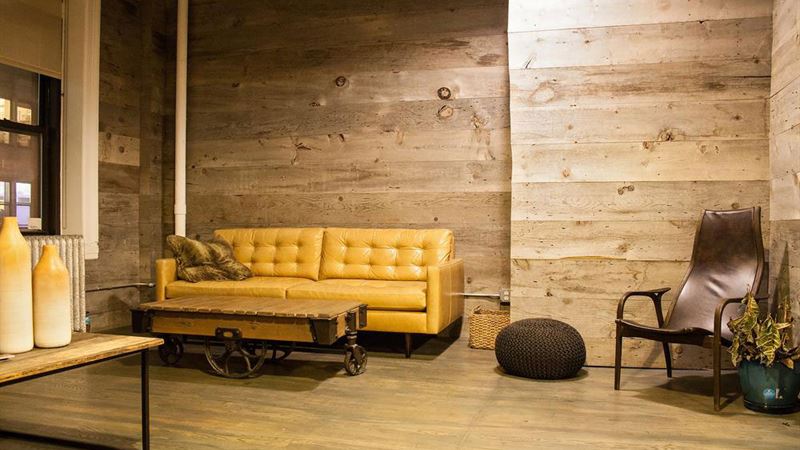
Protect Your Vintage Treasures from Sunlight Exposure:
Vintage furniture is a precious asset that requires careful attention to its environment. One of the most critical factors is exposure to sunlight. UV rays can cause significant damage by degrading fabrics, fading colors, and weakening the integrity of wood surfaces. To preserve their beauty and longevity, it’s essential to position vintage pieces in areas where direct sunlight is minimized. If placement near windows is unavoidable, installing high-quality curtains, blinds, or UV-protective window films can be highly effective in shielding your furniture from harmful rays.
Additionally, consider the orientation of your furniture within your living space. Placing delicate items away from south-facing windows that receive intense sunlight during the day can dramatically extend their lifespan. Regularly inspecting the furniture for signs of sun damage, such as discoloration or cracks, allows for early intervention, further preventing irreversible harm.
Manage Humidity Levels with Dehumidifiers and Humidifiers:
Moisture management plays a crucial role in maintaining the structural integrity of vintage furniture. Fluctuations in humidity, whether high or low, can lead to wood shrinkage, expansion, warping, or cracking. For instance, near heating sources like radiators and fireplaces, the dry air can cause the wood to dry out and become brittle. Conversely, excessive humidity creates a conducive environment for mold, mildew, and wood pests.
To mitigate these issues, invest in a high-quality dehumidifier if your environment is overly humid, or a humidifier if the air tends to be excessively dry. Maintaining a consistent indoor humidity level—ideally between 40% and 55%—helps preserve the shape and function of your vintage pieces. Regularly monitoring humidity with a hygrometer allows you to make necessary adjustments proactively, ensuring your furniture remains in excellent condition over time.
Combat and Prevent Pest Infestations:
Pests pose a significant threat to vintage furniture, especially those made of wood, leather, or fabric. Common culprits include beetles, termites, cockroaches, and other insects that feed on natural materials. These pests can cause irreversible damage by tunneling through wood grains, eating fabric upholstery, or contaminating surfaces with waste and saliva.
Early detection is key. Look for telltale signs such as exit holes, fine powder (frass), or frayed fibers. If you notice any of these signs, it’s crucial to seek professional pest control services immediately. A certified conservator or exterminator can perform a thorough inspection and treat the affected areas to prevent further infestation, preserving the integrity and value of your vintage furniture.
Apply Proper Polishes and Protective Coatings:
Maintaining the surface finish of vintage furniture enhances its durability and aesthetic appeal. Once a year, gently apply a high-quality paste wax or furniture polish designed specifically for antique or vintage pieces. This creates a protective barrier against dust, moisture, and minor scratches. Always use a soft, lint-free cloth slightly dampened with the polish to avoid applying excessive product that could cause buildup.
Regular cleaning with appropriate products not only refreshes the appearance but also prolongs the lifespan of your furniture’s finish. For complex cases or antique pieces with delicate finishes, consulting a professional conservator ensures the correct products and methods are used, avoiding accidental damage.
Handle Moving and Relocation with Care:
Moving vintage furniture demands meticulous attention to prevent stress or damage. Always lift pieces from sturdy points—preferably by the legs of tables or the frame of larger items—and avoid dragging the furniture across surfaces. Before relocating, remove the shelves, drawers, and any loose or fragile components to prevent breakage during transit.
When handling chairs, always hold by the seat rather than the arms or backrest to maintain balance. Use padding or moving blankets to protect surfaces from scratches and dents. If possible, enlist professional movers experienced in handling antique furniture to guarantee safety and preservation during transportation.
How do you currently care for your vintage furniture? Regular maintenance, environment control, and cautious handling significantly contribute to preserving your collection for generations to come. Integrate these best practices into your routine and enjoy the timeless beauty of your vintage pieces for many years ahead.