
Comprehensive Guide to Achieving a Sparkling Clean Bathroom
Discover effective, detailed strategies for thoroughly cleaning your bathroom. From sinks and mirrors to tiles and flooring, this comprehensive guide provides step-by-step instructions and tips to maintain a sparkling, hygienic space. Tips include using suitable cleaners, scrubbing techniques, and regular maintenance routines to prevent buildup and mold, ensuring your bathroom stays fresh and inviting. Ideal for homeowners seeking a cleaner, healthier bathroom environment, this article emphasizes proper tools and methods for every surface and fixture, making bathroom cleaning easier and more efficient.
Maintaining a spotless bathroom is essential for hygiene and comfort. With the right cleaning strategies and products, you can transform your bathroom into a fresh, inviting space. This guide provides detailed steps and tips to ensure every corner of your bathroom is thoroughly cleaned and sanitized, keeping mold, grime, and bacteria at bay. Whether you’re tackling stubborn stains or maintaining regular cleanliness, our comprehensive approach will equip you with effective techniques for a pristine bathroom environment.
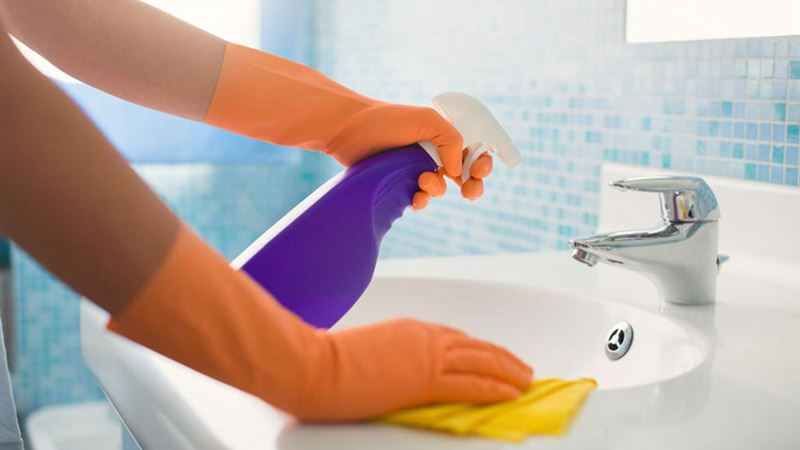
Begin your cleaning routine with the sink, a frequently used area prone to water stains and soap scum. Use a gentle, non-abrasive bathroom cleaner suited for your sink’s material—whether ceramic, porcelain, or metal. Spray the cleaner generously over the surfaces, focusing on areas with visible buildup. Let it sit for a few minutes to loosen dirt and grime. Then, scrub with a soft-bristled brush or sponge, applying gentle pressure to avoid scratching the surface. For stubborn stains, a mixture of baking soda and water can serve as an effective natural alternative. Rinse thoroughly with clean water and dry the sink with a microfiber cloth to prevent water spots.
Mirrors and glass surfaces in the bathroom need special attention to remove streaks and water spots. Use a high-quality glass cleaner and a lint-free cloth or microfiber towel to wipe down mirrors, shower doors, and any glass panels. Carefully spray the cleaner in a sweeping motion, then wipe from top to bottom to avoid drips. For a streak-free shine, buff with a dry cloth afterward. Regular cleaning of these surfaces keeps them transparent and prevents soap scum from accumulating, ensuring a clear view and a polished look.
Countertops often accumulate dust and water splashes, but they usually require only minimal effort to keep clean. Remove loose debris by dusting or sweeping the surface. If necessary, dampen a soft cloth with a mild all-purpose cleaner or a mixture of water and a few drops of dish soap. Wipe down the countertop thoroughly, paying attention to edges and corners where dirt can hide. Dry the surface with a clean towel to prevent water stains and maintain its appearance. Using gentle cleaners preserves the integrity of the countertop material and prolongs its lifespan.
The bathtub and shower area are prime zones for soap scum buildup and mold. Use a mild, pH-balanced bathroom cleaner to spray the surfaces, especially focusing on grout lines, corners, and caulking. Let the cleaner sit for a few minutes, then scrub with a soft brush or sponge. For stubborn grime or hard water stains, a mixture of vinegar and baking soda can be effective. Pay particular attention to the drain and the faucet fixtures, which can collect limescale deposits. Use a small brush or an old toothbrush to remove deposits from tight spaces. The shower curtain can be washed either in a machine, following the care label, or scrubbed with a suitable cleaner if fabric is not washable. Regularly cleaning the shower prevents mold growth and keeps your bathing area feeling fresh.
Cleaning wall tiles involves removing dirt, soap scum, and mildew. Dampen a soft sponge or cloth with an all-purpose bathroom cleaner or a homemade solution such as vinegar mixed with water. Gently scrub the tiles, paying special attention to grout lines, which tend to harbor mold and dirt. After cleaning, rinse the tiles with clean water and wipe dry with a soft cloth to prevent water spots and streaks. For stubborn mold or mildew, a commercial tile and grout cleaner can be used, followed by thorough rinsing. Maintaining the tiles in your bathroom enhances its aesthetic appeal and promotes a healthier environment.
The toilet demands dedicated attention to ensure hygiene and odor control. Apply a toilet bowl cleaner evenly around the inside of the bowl, making sure to cover under the rim. Allow it to sit for several minutes to dissolve stains and deposits. Use a flexible toilet brush to scrub the entire bowl, reaching under the rim and into the trap. For deep cleaning, consider using a pumice stone or specialized cleaning tools. Flush thoroughly to rinse away the cleaner and debris. Wipe the exterior of the toilet, including the seat and lid, with a cloth soaked in disinfectant or antibacterial solution. Don’t forget to clean the flush handle and other high-touch areas with disinfectant to reduce bacteria presence.
Ceiling and crevices can accumulate cobwebs, dust, and dirt. Use a feather duster or a moistened microfiber cloth attached to a broom handle to reach ceiling corners and high spots. Carefully remove all cobwebs and dust particles from nooks and crannies, including the area around ventilation vents and light fixtures. Regularly inspecting and cleaning these areas prevents dust buildup and promotes better air quality. Also, wipe down small fixtures such as towel bars, door handles, and light switches with an antibacterial cleaner to reduce germ spread. Routine attention to these often-overlooked spots keeps your bathroom spotless and hygienic.
Cabinetry and storage areas within the bathroom can trap dust, water spots, and soap residues. Open cabinet doors and wipe down shelves and surfaces with a damp cloth soaked in a gentle cleaner. Remove decorative accents or items periodically and clean behind or underneath to prevent dust accumulation. Use a dry cloth or a microfiber towel to polish and remove any watermarks or soap scum from cabinet exteriors. For handles and knobs, use an antibacterial spray or cleaner to kill germs and keep surfaces shiny. Proper organization and regular cleaning of storage spaces help maintain a clutter-free and hygienic bathroom environment.
The bathroom floor is often the dirtiest area, catching hair, dust, and water splashes. Start by sweeping away loose debris and hair with a broom or vacuum cleaner designed for hard floors. Next, mop the floor using a mild cleaning solution or a mixture of warm water and a few drops of dish soap. Pay special attention to grout lines between tiles, which can trap dirt. For stubborn stains, a commercial tile cleaner can be used. Rinse the mop frequently and change the water as needed to prevent spreading dirt. Once the floor is clean, dry it with a towel or a dry mop to prevent slips and water spots. Regular floor maintenance keeps your bathroom safe, clean, and inviting.
In conclusion, regular and systematic cleaning of every bathroom component ensures hygiene, prevents mold and bacteria growth, and keeps your space looking its best. Establishing a cleaning schedule—ideally weekly—can help maintain these standards and reduce the effort required for deep cleans. Use appropriate cleaning products tailored for each surface, and never neglect high-touch areas. Incorporating these detailed cleaning techniques will transform your bathroom into a pristine, welcoming environment that promotes health and comfort for all users.