
Comprehensive Strategies for Managing and Stabilizing Blood Sugar Levels
This detailed guide offers practical and scientifically backed strategies for controlling blood glucose levels. From regular exercise and healthy eating to monitoring and sleep, it covers comprehensive lifestyle tips vital for preventing diabetes complications and enhancing overall well-being.
Managing blood glucose levels effectively is essential for maintaining overall health and preventing complications associated with diabetes. Whether you are diagnosed with prediabetes, type 2 diabetes, or simply want to keep your blood sugar in check, adopting a holistic approach incorporating lifestyle changes, balanced diet, and regular monitoring can profoundly impact your health. This detailed guide explores various proven methods, backed by scientific research, to help you take control of your blood sugar levels and lead a healthier life.
Engage in Regular Physical Activity
One of the most effective ways to regulate blood sugar is through consistent exercise. Physical activity enhances insulin sensitivity — meaning your body can utilize insulin more efficiently — and aids in weight management. When muscles are active, they consume more glucose for energy, which helps lower blood sugar. Incorporate activities like brisk walking, jogging, swimming, cycling, dancing, or hiking into your routine. For optimal benefits, aim for at least 150 minutes of moderate-intensity exercise per week, spread across several days. Strength training exercises like weightlifting can further improve muscle mass and insulin responsiveness. It's important to consult with healthcare providers before starting any new exercise program, especially if you have underlying health conditions.
Switch to Nutritious, Low-GI Foods
Diet plays a critical role in blood sugar management. Replacing refined carbohydrates with whole grains can make a significant difference. Choose whole wheat bread, brown rice, oats, and whole grain pasta instead of white bread and white rice, which cause rapid spikes in blood glucose. Incorporate foods rich in dietary fiber, such as vegetables, legumes, and nuts, which slow down carbohydrate absorption. Additionally, select low Glycemic Index (GI) foods that release sugar slowly into the bloodstream, promoting stable blood sugar levels. Experiment with adding more fiber-rich foods to your diet daily, and limit processed snacks and sugary treats. A balanced diet emphasizing fresh, whole foods can help maintain consistent glucose levels.
Eat Smaller, More Frequent Meals
Instead of consuming large meals, opt for smaller portions spread evenly throughout the day. This approach mitigates sharp rises in blood sugar after meals. Aim for 4-6 smaller meals or snacks daily, each containing a balanced mix of proteins, healthy fats, and complex carbs. This strategy helps stabilize blood glucose and prevents overeating. Many individuals with insulin sensitivity or diabetes find that frequent, balanced eating reduces fluctuations and enhances overall control. Keep an eye on portion sizes and choose nutrient-dense foods to maximize the benefits of this approach.
Include Barley in Your Diet
Barley is a whole grain packed with soluble dietary fibers that help slow glucose absorption, contributing to better blood sugar control. Regular consumption of barley can also promote feelings of fullness, reduce appetite, and help in weight management. Beyond glycemic benefits, consuming barley is associated with improved cardiovascular health, thanks to its ability to reduce cholesterol levels. Incorporate cooked barley into soups, salads, or serve as a side dish. Its mild flavor and versatility make it an excellent addition to a diabetic-friendly diet.
Favor Whole Fruits Over Juices
While fruit juices might seem healthy, they tend to contain high levels of sugars and calories, leading to rapid spikes in blood glucose. Opt for whole fruits instead, as their fiber content slows digestion and sugar absorption. Apples, berries, oranges, and pears are excellent choices. Eating whole fruits also provides essential nutrients, vitamins, and antioxidants that may aid in blood sugar regulation. Be mindful of portion sizes, and try to include a variety of fruits in your diet to enhance overall nutrient intake.
Maintain Adequate Vitamin D Levels
Emerging research suggests that vitamin D deficiency may increase the risk of developing type 2 diabetes. Many healthcare providers recommend checking your vitamin D levels regularly. Supplementing with vitamin D if levels are low has been shown to improve insulin sensitivity and decrease the risk of diabetes progression. Natural sources include sunlight exposure and foods like fatty fish, fortified dairy products, and eggs. Before taking supplements, consult with your healthcare provider to determine the appropriate dosage and to ensure safety.
Monitor Carbohydrate Intake Carefully
Carbohydrates are the primary source of blood glucose, and their intake needs to be carefully managed. High-carb foods lead to increased blood sugar levels, especially if consumed in excess. Focus on consuming complex carbohydrates that digest slowly, providing sustained energy and avoiding sudden spikes. Learning to read food labels, measuring portions, and understanding glycemic load can help you make smarter choices. Balancing carb intake with proteins and healthy fats can further prevent blood sugar fluctuations.
Stay Hydrated for Better Glucose Control
Proper hydration is often overlooked but plays a vital role in blood sugar control. Water acts as a natural flush for excess glucose in the bloodstream through improved kidney function. Aim to drink at least 8 glasses of water daily, adjusting for activity level, climate, and individual health needs. Avoid sugary drinks and sodas, as these can cause rapid increases in blood sugar. Herbal teas and infused water are flavorful alternatives that support hydration and overall health.
Regular Blood Glucose Monitoring
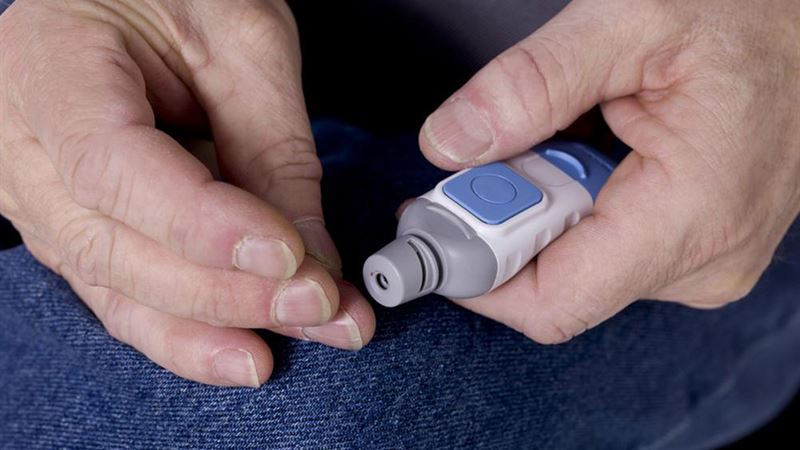
Keeping track of your blood sugar levels helps you understand how your body responds to different foods, activities, and lifestyle choices. Use a glucometer or continuous glucose monitoring system as recommended by your healthcare provider. Regular monitoring enables timely adjustments to diet, exercise, or medication, and can prevent dangerous hyperglycemia or hypoglycemia. Tracking also raises awareness of patterns and triggers, empowering you to make informed decisions for better control.
Prioritize Quality Sleep
Adequate restful sleep is essential for metabolic health. Sleep deprivation can lead to increased insulin resistance and elevated blood sugar levels. Aim for 7-9 hours of quality sleep each night. Establish a consistent bedtime routine, limit screen time before sleep, and create a comfortable sleeping environment. Managing stress levels through relaxation techniques such as meditation or deep breathing may also improve sleep quality, indirectly supporting better blood glucose regulation.
These comprehensive lifestyle and dietary tips provide a solid foundation for managing blood sugar effectively. Consistent adherence to these practices can significantly improve your quality of life and reduce the risk of complications associated with uncontrolled blood glucose levels. Remember, always consult healthcare professionals before making major changes to your health routine to ensure personalized and safe strategies.