
Essential Guide: Avoid These 4 Common Domain Name Mistakes
Choose a domain name wisely with our expert tips. Avoid lengthy, irrelevant, or misspelled domains to ensure easy recall, branding coherence, and legal safety. Learn how to select a memorable, relevant, and legally sound domain that boosts your online success and enhances your brand recognition.
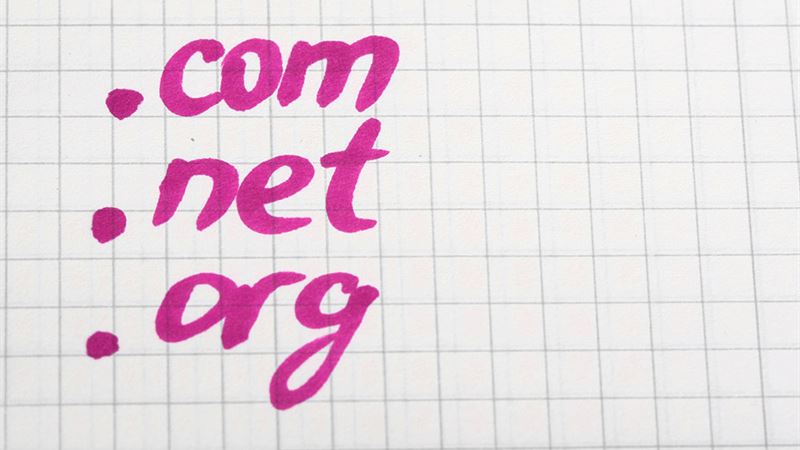
Choosing the right domain name is a cornerstone of establishing a strong online presence. It can significantly influence your brand recognition, search engine ranking, and overall credibility. However, many entrepreneurs and businesses make critical mistakes during this process, which can hamper their growth and cause unnecessary complications. Understanding these pitfalls and how to steer clear of them is essential for anyone looking to maximize their digital footprint.
In this comprehensive guide, we’ll examine the top four domain name mistakes that businesses frequently fall into, along with practical tips on how to avoid them. From selecting overly lengthy domain names to mismatched branding, these insights will help you make informed decisions that support your long-term online success.
- Choosing a Domain Name That Is Too Long and Complex
One of the most common errors is opting for an excessively long or complicated domain name. When browsing on mobile devices, long domain names become a nightmare for users trying to type them into their smartphones. This not only makes your website less accessible but also decreases the chances of visitors remembering your URL for future visits. A lengthy domain can also appear unprofessional and cluttered, diminishing your brand’s credibility.
For optimal results, aim for a domain name that is concise, memorable, and easy to spell. Generally, keeping your domain under 15-16 characters ensures better usability and easier recall. Short, catchy domains tend to have higher branding value, making your website more recognizable and shareable across social media and marketing materials.
Moreover, a simplified domain structure can contribute to an improved search engine ranking, as it’s easier for both users and algorithms to associate your domain with relevant keywords or branding efforts. Avoid hyphens, numbers, or overly complicated strings of characters, which can cause confusion and reduce your domain’s professional appearance.
- Having a Domain Name that Doesn’t Represent Your Business
Another significant mistake is selecting a domain name that doesn’t align with your business’s core offerings or brand image. When consumers visit your website, your domain acts as a quick snapshot of your brand identity. If the domain fails to match your business niche or appears irrelevant, visitors may hesitate or be confused about your purpose.
It’s paramount to choose a domain name that clearly reflects your products, services, or industry. For example, if you operate a bakery, including keywords like “bakery” or “bakerydelights” helps potential customers identify your niche immediately. Additionally, a matching domain name enhances your SEO efforts because search engines favor relevance and consistency in branding.
Before settling on a name, verify its availability with domain registrars. Many entrepreneurs make the mistake of choosing a domain that is already taken or leads to a different business. It’s advisable to secure a domain that complements your brand directly rather than opting for a creative but unrelated name that could be confusing or hard to promote.
- Selecting a Name with Unusual Spelling or Variations
Opting for a domain with an unusual or complex spelling can pose significant challenges. While some brands have succeeded with unique spellings—like MovieFone or Flickr—these are exceptions rather than the rule. For the majority of businesses, a weird spelling can make it difficult for users to find your website and share it with others.
People tend to remember straightforward, simple words best. If you choose a domain with an odd spelling, ensure you also register possible variations and common misspellings of your domain. This helps prevent competitors or cybersquatters from taking advantage of misspelled searches and ensures your brand remains protected.
In addition, consider domain extensions like .com, which are most widely recognized and trusted by users. Conduct thorough research to see if similar domains with other spellings or extensions exist, and register all relevant variants to safeguard your brand’s online identity.
- Overlooking Legal Rights and Trademark Conflicts
Though not initially listed, an important related consideration is ensuring your domain doesn’t infringe upon existing trademarks or copyrights. Registering a domain that conflicts with a registered trademark can lead to legal disputes, forced domain transfers, and damage to your brand reputation.
Before purchasing a domain, perform thorough trademark searches and consult legal experts if necessary. This due diligence helps you avoid future conflicts and establishes a solid foundation for your online business. Protect your brand and ensure that your domain name is legitimate and free from legal encumbrances.
Ultimately, selecting the right domain name requires strategic thinking, market understanding, and foresight. By avoiding these common mistakes, you can set yourself up for long-term success, build a memorable brand, and establish a trustworthy presence in your industry.