
Comprehensive Guide to Successfully Selling Your Motorcycle
Looking to sell your motorcycle? This comprehensive guide covers essential steps such as preparing your bike, setting the right price, organizing documents, and choosing the best sales channel. Learn how to attract buyers, negotiate effectively, and finalize the sale smoothly. Whether selling privately or to a dealer, follow these expert tips to get the best value for your motorcycle and make the process hassle-free, ensuring a profitable transaction finalized efficiently.
Maximizing Your Motorcycle’s Appeal to Potential Buyers
Successfully selling a motorcycle involves a combination of effective presentation, strategic pricing, proper documentation, and choosing the right sales channel. Whether you're upgrading to a new bike or simply looking to declutter, understanding the best practices can help you secure the best deal and ensure a smooth transaction. This extensive guide provides step-by-step advice on how to prepare your motorcycle for sale, attract buyers, and negotiate effectively to get the most value for your vehicle.
Preparing Your Motorcycle for Sale
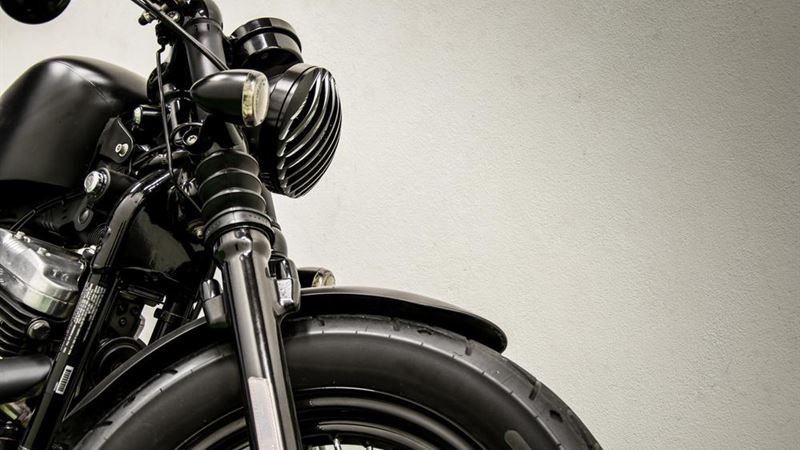 Reset and clean everything: Ensure your motorcycle looks inviting and well-maintained. Wash the entire bike thoroughly, removing dirt, grime, and debris. Pay special attention to hard-to-reach areas like the engine bay and undercarriage. Make sure the battery terminals are free of calcium and corrosion, which can be cleaned with proper solutions. Clean and lubricate the chain, and apply fresh lubricant to moving parts to keep everything running smoothly. If there are rusty or chipped paint spots, touch them up to restore the bike’s aesthetic appeal.
- Detach Accessories: Remove any aftermarket accessories or personal modifications that might not appeal to all buyers. Original, stock parts generally increase the ease of resale. Accessories like custom windshields, decals, or additional gadgets can sometimes add value, but unless they are professionally installed and in excellent condition, it’s better to remove them to showcase the bike in its original state.
Pricing Your Motorcycle Strategically
- Research Market Value: Investigate current market prices for similar models within your region. Check online marketplaces, classified ads, and consult multiple motorcycle service centers to get a realistic idea of what your bike is worth. Consider factors such as age, mileage, condition, and any added features.
- Set a Competitive Price: Start with a slightly higher asking price, giving room for negotiations. Pricing your bike too low can lead to lost profits, while pricing it too high may deter potential buyers. Aim for a middle ground that reflects your motorcycle's value and your willingness to negotiate.
Getting Your Motorcycle Serviced
- Professional Inspection: Even if you regularly maintain your motorcycle, it’s wise to have it serviced before sale. A thorough check-up by a certified mechanic can identify and rectify minor issues, giving buyers confidence in the bike’s reliability. Obtaining a recent inspection report can serve as a valuable selling point.
Organize and Prepare Necessary Documentation
- Clear, Complete Paperwork: Gather all essential documents such as the original ownership certificate, registration papers, service history, warranty details, and any financial obligations related to the bike. Buyers often request to see these documents to verify ownership, age, and service reliability. Maintaining all paperwork in order simplifies the transaction and increases trust.
Advertising and Meeting Potential Buyers
- Effective Advertisement: Post high-quality images highlighting your motorcycle’s best features. Write an honest, detailed description emphasizing notable aspects like recent service, low mileage, or added features. Be cautious about sharing your address; instead, arrange to meet at public, safe locations.
- Multiple Interactions: Engage with several interested buyers to compare offers and negotiate better prices. Ensuring safe meetings in busy or monitored areas minimizes theft or other risks. Always verify the credibility of potential buyers before proceeding.
Choosing the Sale Channel
- Selling Through Dealerships: Many owners prefer selling to a reputable dealership, which often offers a quick and hassle-free sale. Although the offer might be lower than a private sale, it saves time on advertising, negotiations, and paperwork. Dealerships also handle transfer procedures and ensure legal compliance.
- Private Sale Advantages: Selling privately can yield higher prices, but it requires more effort in marketing, bargain negotiations, and managing paperwork. It suits owners who have time and want to maximize their profit.