
Essential Tips for Managing a Cold During Travel
Traveling with a cold can be uncomfortable, but proper management can ease symptoms significantly. This comprehensive guide covers natural remedies, medication tips, hydration strategies, and practical precautions to help travelers stay comfortable and prevent cold symptoms from worsening while on the move. Learn how to relieve congestion, soothe sore throats, and support your immune system during travel with expert advice and proven techniques.
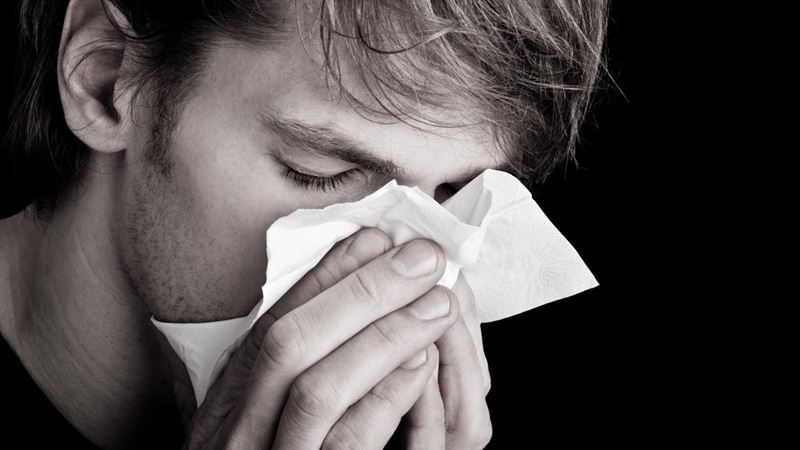
Traveling while under the weather can be challenging, especially when dealing with a cold. Recognizing the importance of managing symptoms effectively can make your journey more comfortable and less disruptive. Whether you're planning a short trip or an extended vacation, understanding how to alleviate cold symptoms and prevent their escalation is crucial. This comprehensive guide explores effective strategies, natural remedies, and practical precautions to ensure your travels remain smooth and enjoyable even when you’re battling a cold.
When dealing with a cold, especially while on the move, it's vital to adopt methods that alleviate discomfort and support your immune system. One common issue encountered during a cold is nasal congestion, which can impair breathing, disturb sleep, and reduce overall well-being. Addressing this requires a combination of medical remedies, natural therapies, and sensible travel practices. This article delves into proven tips and strategies to help you manage cold symptoms efficiently during your travels.
**Understanding Cold Symptoms and Their Impact on Travel**
Before exploring specific remedies, it's important to understand the common symptoms of a cold, which include nasal congestion, sore throat, cough, mild fever, headaches, and general fatigue. These symptoms can significantly hinder travel plans, causing discomfort, fatigue, and sometimes even delays. Recognizing the early signs allows for prompt action to minimize discomfort and prevent worsening of your condition.
**Managing Nasal Congestion Effectively**
Nasal congestion is often the most bothersome symptom during a cold, as it obstructs airflow and makes breathing difficult. To relieve congestion while traveling, consider using saline nasal sprays or rinses to clear blocked passages. These are safe, drug-free options suitable for all ages. In addition, inhaling steam or warm herbal teas can help loosen mucus and open sinus passages.
For more immediate relief, over-the-counter decongestant medications such as nasal sprays or oral tablets can be effective. However, always follow dosing instructions carefully and consult a healthcare professional if you have underlying health issues or are on other medications.
**Natural Remedies to Combat Cold Symptoms**
Natural remedies can play a vital role in alleviating cold symptoms. Hot herbal teas, such as ginger, chamomile, or peppermint, are excellent choices for soothing the throat and relieving sinus pressure. Incorporating ingredients like honey and lemon adds antimicrobial and anti-inflammatory properties to these drinks.
Furthermore, steaming with essential oils like eucalyptus or menthol-infused inhalants can provide quick relief by opening nasal passages. Drinking warm lemon water infused with vitamin C-rich ingredients can boost your immune response naturally.
**Hydration: The Key to Recovery**
Staying well-hydrated is essential when fighting a cold, especially during travel. Water helps thin mucus, making it easier to clear from sinuses and airways. Aim to drink at least 8 glasses of water daily, and include warm broths or herbal teas to keep hydrated and soothe irritation.
Dehydration can worsen symptoms and delay recovery, so avoid caffeinated and alcoholic beverages, which can dehydrate the body and dry out mucous membranes, exacerbating congestion.
**Vitamins and Supplements for Immune Support**
Boosting your immune system can help minimize the severity and duration of cold symptoms. Vitamin C is well-known for its immune-enhancing properties. Consider taking supplements, or start your day with a warm glass of lemon water or citrus fruit. Black elderberry syrup and Echinacea are natural supplements known for their antiviral and immune-modulating effects.
Integrating these into your daily routine before and during travel can lead to a quicker recovery and less discomfort.
**Throat Relief and Soothing Lozenges**
Throat soreness and irritation are common during a cold, especially after coughing or speaking. Carrying lozenges or throat sprays provides immediate soothing relief. Lozenges stimulate saliva production, preventing dryness and irritation, and can help suppress coughs, making talking and swallowing more comfortable.
Choose lozenges with soothing ingredients like menthol, honey, or herbal extracts for maximum benefit.
**Using Decongestants Wisely**
A decongestant, whether in nasal spray form or oral tablets, can provide rapid relief from nasal blockage. When traveling, especially by air, using nasal sprays about an hour before boarding can facilitate easier breathing and improve comfort during the flight.
Be cautious when combining decongestants with other medications, and avoid overuse to prevent rebound congestion. Consult a healthcare provider if you are unsure about the best product for your situation.
**Keeping Well-Hydrated During Travel**
Maintaining hydration is vital for recovery. Regular water intake prevents mucosal dryness and helps in thinning mucus, easing congestion. Carry a reusable water bottle and sip regularly, especially when in dry or cold environments, which can exacerbate dehydration.
Avoid caffeine-laden drinks and alcohol, as they can dehydrate the body further, hindering recovery.
**Warm Clothing: Protect Your Immune System**
Even when traveling to warmer destinations, exposure to cold interiors, such as airplane cabins or hotel rooms, can weaken your immune defenses. Dressing warmly and layering clothing helps preserve your body heat, keeping your immune response robust.
Ensuring your attire is suitable for indoor and outdoor environments minimizes the risk of hypothermia or immune suppression, which can prolong or worsen your cold symptoms.
**Additional Travel Tips for Cold Management**
Besides medication and natural remedies, a few practical tips can significantly enhance your comfort:
- Prioritize good hygiene by washing hands frequently and using hand sanitizers to reduce the risk of secondary infections.
- Avoid direct contact with others to prevent spreading the virus.
- Get adequate rest and sleep to support your immune system in fighting off the infection.
- Use humidifiers in your room or carry a portable one to add moisture to the air, easing breathing and reducing nasal dryness.
- Limit exposure to cold, drafty areas internal to indoor spaces.
**Conclusion: Travel Smart When Unwell**
Traveling with a cold requires a strategic approach to minimize discomfort and prevent aggravation. Combining over-the-counter medications, natural remedies, hydration, warm clothing, and good hygiene practices can significantly improve your experience. Remember, listening to your body and allowing yourself adequate rest is equally important. With proper planning and the right tools, you can manage cold symptoms effectively, ensuring your journey remains safe and comfortable.