
Comprehensive Guide to Purchasing Quality Foreclosed Properties
Discover comprehensive strategies for purchasing foreclosed properties, including negotiation tips, leveraging federal loans, market analysis, and weighing pros and cons. Learn how to navigate the complexities of foreclosure deals to secure affordable, quality homes and maximize your investment potential.
Strategic Negotiation for the Best Price
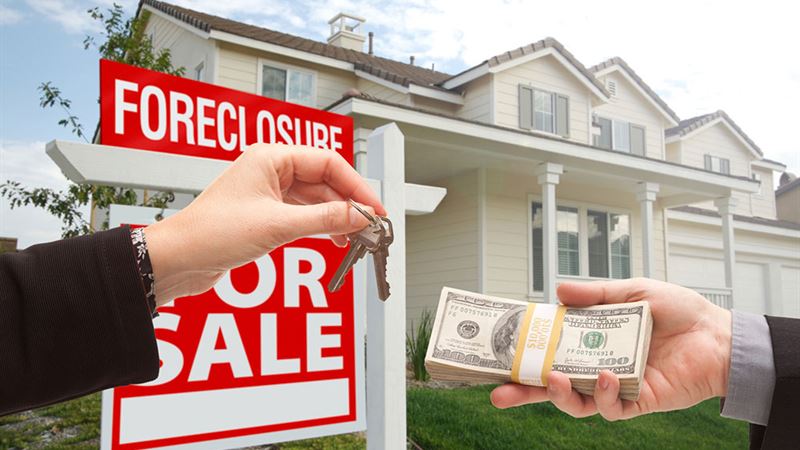
When it comes to buying foreclosed homes, price negotiation is a critical aspect that distinguishes it from conventional real estate transactions. Foreclosure deals are often seen as bargain opportunities, but understanding the factors that influence the final price is essential for successful negotiations. Several parties are involved in these transactions, including the original homeowner, banks, and potential investors seeking repayment. As such, a consensus among these parties must be reached for a successful sale. The property's condition plays a significant role in valuation. A foreclosure might involve properties in pristine condition, fully renovated with modern amenities, or in dire need of repairs and renovations. Additional costs such as repair estimates, staging, maintenance, and potential upgrades should be included in your valuation calculations. Pre-sale inspections are vital to uncover hidden issues, which could lead to significant expenses later on. Also, consider future property appreciation potential, location, and neighborhood trends, which all impact long-term investments. Buyers should factor in mortgage expenses, property taxes, insurance, and ongoing maintenance costs to ensure the property's affordability. Accurately assessing the market value and factoring in these costs can help you negotiate a fair, advantageous price.
Leveraging Federal Assistance Programs
Federal programs offer valuable support for eligible buyers considering foreclosure properties. The U.S. Department of Agriculture (USDA) provides two primary loan options: Sections 502 and 504, specifically designed for individuals with low to very low incomes residing in rural areas. These loans are ideal for applicants who struggle to meet traditional credit requirements. Elderly applicants might also access grants or special financing options to purchase foreclosed homes. Active military personnel, veterans, and their surviving spouses are eligible for exclusive federal loan programs, often providing benefits such as no down payment, reduced closing costs, and full waivers on mortgage insurance. These benefits significantly lower the financial barriers typically associated with homeownership, making foreclosed properties more accessible to those who qualify. Consulting with a knowledgeable mortgage broker or financial advisor familiar with federal programs can help you leverage these benefits to secure the best possible loan terms, ensuring cost-effective ownership of a foreclosed home.
Market Analysis and Property Condition
Most bank-owned foreclosed properties are listed on an "as-is" basis, meaning the bank does not provide warranties regarding the property's condition. The state of these homes can vary immensely—from those that have been renovated and upgraded to modern standards to those left in neglected or dilapidated conditions. Conduct thorough market research to understand comparable sale prices in the area. Engaging a real estate agent with experience in foreclosed properties can assist in performing a comparative market analysis (CMA). This process helps you determine whether the asking price aligns with current market trends. It also highlights potential opportunities for cash offers or quick sales, which are often favored by banks to expedite the process. Being well-informed about market rates places you in a better position to negotiate smarter deals and make competitive bids. Rapidly selling foreclosures often means the bank is looking for quick closing, so timely, well-structured offers can work to your advantage.
Weighing the Advantages and Challenges
Buying foreclosure homes offers the chance to acquire property at substantially lower prices, which can lead to significant investment gains. However, these deals come with increased complexity, requiring deep understanding of foreclosure procedures, legal nuances, and property condition assessments. Properties that are priced low and need minimal repairs are ideal, as they reduce overall investment and renovation costs. Conversely, if you overbid in a competitive market or if the property has substantial damages, unexpected repair costs can inflate your total investment, potentially negating your initial savings. Foreclosed homes attract a lot of attention from professional investors seeking to 'buy and flip.' Consequently, competition can be fierce, especially for attractive properties priced below market value. It's advisable to consult with experienced real estate professionals who can evaluate the property's potential, guide your bidding strategy, and navigate the negotiation process. The contractual process involves agreements among banks, buyers, and other involved parties. These contracts often include clauses that leave room for negotiations and adjustments, so careful review and legal advice are recommended before signing.
Informed Decision-Making for Successful Investment
Before proceeding with a foreclosure purchase, educate yourself thoroughly on the process, potential risks, and legal obligations. While the opportunity to purchase at discounted rates is appealing, a lack of due diligence can lead to costly mistakes. Partnering with qualified real estate agents, lawyers, and inspectors ensures that your investment is sound. In conclusion, acquiring foreclosed properties can be a profitable venture if approached with careful planning, thorough analysis, and professional support. Understand market conditions, leverage federal programs when eligible, and negotiate diligently to secure the best deal. With these strategies, you can turn a foreclosure into a valuable asset that offers both financial benefits and long-term stability.