
Comprehensive Guide to Interpreting Baseball Scoreboards Effectively
This detailed guide explains how to interpret baseball scoreboards, covering innings, runs, hits, errors, pitch counts, strikes, and outs. It helps fans and newcomers understand game flow, player stats, and team performance, enriching their viewing experience.
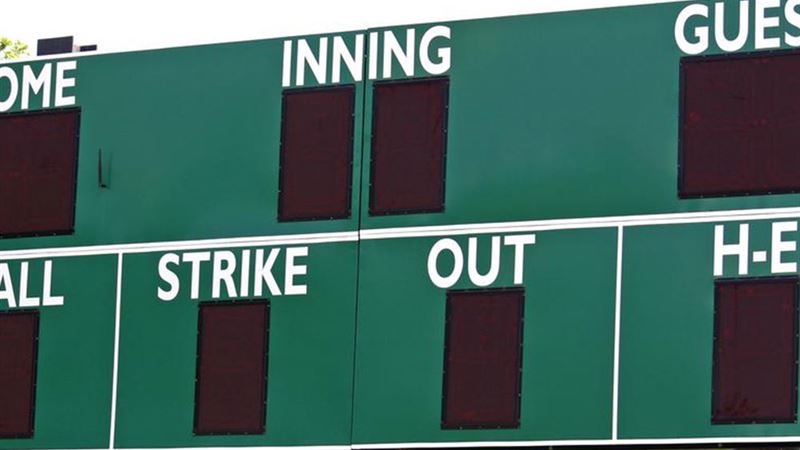
Understanding baseball scoreboards is essential for fans, commentators, and players alike. These scoreboards serve as the visual summary of a game's progress, displaying innings, runs, hits, errors, and other critical statistics. Knowing how to read these details can significantly enhance your appreciation of the game and allow you to follow the action more closely. The main components of a baseball scoreboard include the innings, runs, hits, errors, pitch count, strikes, and outs. Each element provides specific insights into the current state of the game and how each team is performing. **Innings and Runs:** The scores are segmented across innings, usually numbered 1 through 10 or more, depending on the league's rules. The numbers from 1 to 10 indicate the individual innings, with the runs scored by each team in that inning displayed directly beneath the inning number. For example, a number 4 below 1 in the visitor's row indicates the visiting team scored four runs during the first inning. The total runs accumulated over all innings to date comprise the team's overall score. It's important to remember that a run is only counted when a player successfully completes the circuit around all four bases and reaches home plate safely. The team with the highest total runs at the end of the game is declared the winner. **Team Positions on Scoreboard:** Typically, the scoreboard layout places the visiting team’s scores in the top row, as they are the first to bat, followed by the home team’s scores on the bottom. This format allows spectators to quickly compare performances between teams during the game. **Key Statistics:** Next to the main scores, you'll often see abbreviations like "H" for hits and "E" for errors. The number next to "H" reflects the total hits the team or player has achieved, indicating successful contact with the ball leading to reaching a base. Errors, marked next to "E," represent mistakes made by fielders that allow batters to advance or get on base, often impacting the game’s outcome. **Pitching and Batting Indicators:** A crucial part of understanding gameplay involves the pitcher's statistics. The number next to the strike symbolizes how many strikes the pitcher has thrown against a batter. Accumulating three strikes results in the batter being called out. The pitch count, indicated by the V for visitors and H for home, tallies the total pitches thrown by each team's pitchers throughout the game. **Player Dismissals and Outs:** The "OUT" count tracks how many players have been dismissed by the pitcher through strikeouts, caught balls, or other plays. A batter is out after three strikes or if a fielder catches a hit ball before it lands on the turf. Tracking outs is vital for understanding how many players remain before the inning ends or the game concludes. **Additional Details:** Other key elements may include bases occupied, runner positions, and specific fielding actions, all of which contribute to a comprehensive understanding of the game’s current state. Mastering these components of baseball scoreboards allows fans to follow the game more effectively, enhancing their viewing experience and understanding of baseball strategies and momentum shifts.