
Essential Guidelines for Safe Makeup Testing in Stores
Learn essential safety tips for testing makeup in stores to prevent bacterial infections. Discover how to protect yourself from germs, properly sanitize testers, and shop during less crowded days for a hygienic beauty routine. This comprehensive guide ensures your health while enjoying makeup shopping and trying new products, emphasizing the importance of hygiene, disposable tools, and responsible practices to enjoy a safe beauty experience.
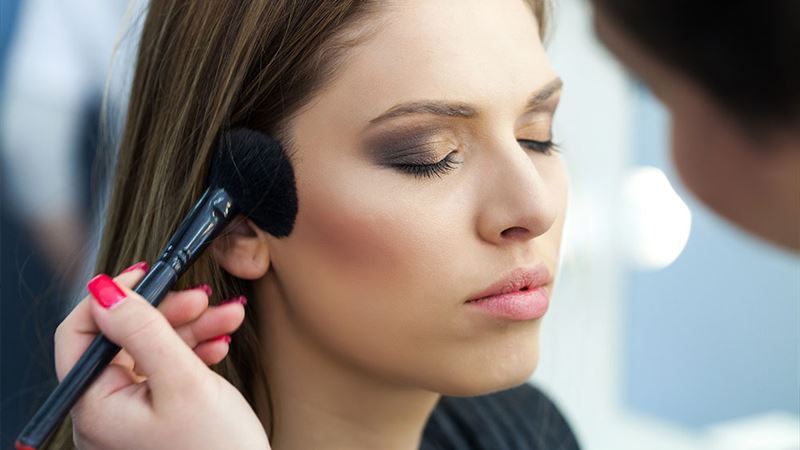
Makeup shopping can be an enjoyable experience, but it comes with important health precautions to keep in mind. Recent studies reveal that nearly 50% of cosmetic testers are contaminated with bacteria such as Streptococcus and E. coli, posing significant health risks. These germs can lead to infections like conjunctivitis (pink eye) or even more serious illnesses such as hepatitis if proper hygiene isn’t observed. To protect yourself while trying out makeup products, follow comprehensive safety tips that can help you avoid infections and make smarter choices during your cosmetic shopping trips.
Understanding the risks associated with testing makeup in stores is crucial. Bacteria and viruses thrive on surfaces that are frequently touched by multiple customers, and makeup testers are no exception. The shared nature of these products, coupled with poor hygiene practices, makes them potential hotspots for germs. Therefore, adopting safe testing techniques becomes essential in preventing infections and enjoying your beauty shopping experience without worry.
Here is an expanded guide on how to safely try makeup testers in stores, ensuring both your health and beauty goals are met harmoniously:
- Prioritize Personal Testing Equipment
Many reputable stores are now conscious of hygiene concerns and are prepared to provide hygienic options for their customers. For instance, some stores offer dedicated personal testers for lipstick and other products, which are meticulously sanitized using alcohol-based solutions. When testing lipsticks, opt for spray or dip testing methods that involve sanitizing the product beforehand. Keep alcohol-based sanitizer wipes handy; they allow you to remove the top layer of a tester, effectively eliminating surface bacteria and viruses. Applying these wipes to the tester before use is an excellent practice to minimize the risk of infection.
- Use Disposable Applicators and Brushes
To prevent cross-contamination, always prefer using disposable applicators or brushes provided by the store rather than trying the product directly with your fingers. These tools are designed for single-use and significantly reduce exposure to germs. When considering product surface hygiene, remember that most microbial contamination resides on the outermost layer—sharpening pencils or wiping off the top layer of cream or lipstick can effectively minimize bacterial presence. This simple step offers an added layer of protection.
- Avoid Open Container Testing
Open jars, pots, or loose powders are breeding grounds for bacteria since multiple customers often dip their fingers or applicators into them. Refrain from testing such products directly on your skin. Instead, opt for sanitation—using disposable cotton pads, spatulas, or applicators to sample the product. For eye makeup, like eyeshadow or eyeliners, always test on the back of your hand rather than directly on your eyelids. If you wish to try eyeshadows or eyeliners, ensure that the tip is sanitized with clinical alcohol before testing. Never assume that the store’s staff has sanitized the testers properly; always take your own precautions to avoid risking eye infections or other health issues.
- Choose the Right Days to Shop
Weekdays are the best days to visit cosmetic stores because they tend to be less crowded. Crowds on weekends make it difficult for staff to monitor tester hygiene consistently and may lead to increased cross-contamination. Visiting during less busy days allows you to request fresh testers and ensures that store employees give you more attentive service, including sanitizing testers and guiding you on safe testing practices. Remember, taking these extra steps during your shopping can significantly reduce the risk of infection and contribute to a healthier beauty routine.
By incorporating these safety measures into your makeup shopping habits, you not only protect your health but also enjoy a more hygienic beauty experience. Being cautious with testing procedures, using disposable tools, and asking for sanitized samples demonstrate responsibility towards your well-being. Keep these guidelines in mind during your next cosmetic store visit to enjoy the fun of discovering new products without compromising your health. Your skin and eyes will thank you for making informed, health-conscious choices every time you try new makeup products.
In summary, practice safe testing techniques: use personal or sanitized applicators, avoid open containers, test on safe areas like the back of your hand, and shop during less busy days. Adopting these habits will help you prevent infections and keep your skin and eyes healthy while exploring the latest beauty trends. Stay mindful, take your precautions, and enjoy a safe and satisfying makeup shopping experience every time.