
Comprehensive Guide to Effective Time Management Tools: Advantages, Pricing, and Top Solutions
This comprehensive guide explores the benefits of time tracking tools, factors to consider when choosing software, and highlights top solutions that can boost productivity, streamline billing, and enhance workforce management. Making informed decisions about your time management software is vital for operational efficiency and business growth.
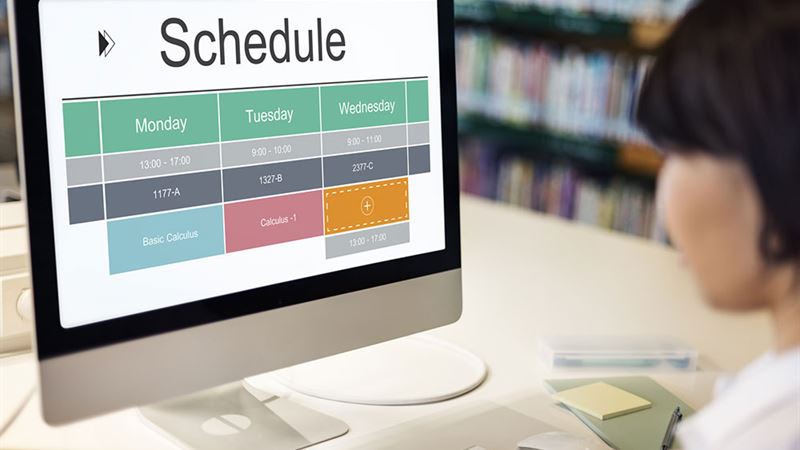
In today’s fast-paced business environment, efficient time management is crucial for maintaining productivity and achieving organizational goals. Implementing the right time tracking tools can significantly enhance workflow, optimize resource allocation, and streamline administrative processes. This comprehensive guide explores the key benefits of time tracking software, discusses various factors to consider when selecting the appropriate tools, and reviews some of the leading solutions available in the market.
- Enhancing Workflow Visibility and Management
One of the primary advantages of utilizing time tracking tools is gaining clear visibility into how time is spent across various projects and tasks. Managers can monitor real-time activity, identify bottlenecks, and reallocate resources promptly. This insight enables better planning, ensures deadlines are met, and reduces wastage of time and effort. - Optimizing Staffing and Resource Allocation
Accurate time data helps managers understand each team member’s workload and productivity levels. With such insights, they can determine if additional personnel are needed or if workloads should be redistributed. Recognizing underutilized employees allows businesses to make informed decisions to improve overall efficiency and employee satisfaction. - Simplifying Billing and Invoicing Processes
Manual tracking and email-based invoice management are often time-consuming and error-prone. Modern time tracking solutions facilitate seamless integration with billing systems, enabling automatic invoice generation and timely payments. This automation reduces administrative workload and minimizes discrepancies, ensuring smoother financial operations. - Reducing Micromanagement and Promoting Autonomy
Overbearing supervision can create a stressful work environment. Time tracking tools empower teams by fostering transparency and trust. Managers can provide autonomy while maintaining oversight through accessible reports. This balance encourages accountability and motivates employees to perform optimally without constant monitoring. - Boosting Productivity and Efficiency
Analyzing how employees allocate their time helps identify periods of high and low productivity. Such data enables better task prioritization and time management. Teams can also recognize their work habits and implement targeted strategies to enhance performance. - Setting Realistic Goals and Expectations
Historical time data assist project managers in estimating feasible deadlines and resource requirements. By understanding past project timelines, teams can plan more accurately, avoiding unrealistic expectations and unnecessary stress. This leads to improved project delivery and customer satisfaction.
Key Considerations When Choosing a Time Tracking Solution
- Functionality and Features
It’s vital to select software that aligns with your specific business needs. Beyond basic time measurement, look for features like project management integration, reporting capabilities, invoicing, expense tracking, and team collaboration tools. A comprehensive solution reduces the need for multiple separate applications. - User-Friendliness
Ease of use is critical for widespread adoption. The chosen tool should be simple, intuitive, and require minimal onboarding. Check for user reviews focusing on interface clarity, automation options, and customer support quality. Training sessions and tutorials can also facilitate smoother implementation. - Compatibility and Integration
Modern businesses utilize various software platforms. The time tracking tool should easily integrate with existing solutions such as project management systems, payment gateways, and communication tools, ensuring data consistency and workflow continuity. - Scalability and Flexibility
As your business expands, your software must accommodate increased users, projects, and data volume. A scalable system ensures ongoing performance without additional significant costs. Customization options also allow tailoring the tool to specific workflows and preferences. - Security and Data Privacy
Protecting sensitive business and employee data is paramount. Opt for solutions with robust security features like encryption, multi-factor authentication, and regular updates. Compliance with data protection regulations (e.g., GDPR) further safeguards your organization against breaches. - Cost and Budgeting
The cost varies widely depending on features, user limits, and service provider. Free options may be suitable for small teams or initial testing but often come with limited functionalities. Subscription fees typically range from $5 to $25 per user per month. Consider the total cost of ownership, including setup, training, and support services.
Popular and Reliable Time Tracking Software Options
- Toggl Track
- HourStack
- Jira Work Management
- Timely
- Clockify
- Memtime
- TrackingTime
- RescueTime
- Time Doctor
- Hubstaff
- QuickBooks Time
- ClockShark
- Paymo
- TimeCamp
- Deputy
Adopting the right time tracking solution can lead to significant operational improvements, better employee engagement, and increased profitability. Evaluate your organization’s needs carefully and choose a platform that offers scalability, security, and ease of use. Investing in a reliable system today prepares your business for future growth and success.