
Essential Cross-Country Moving Packing Strategies Using U-Haul for a Smooth Relocation
Discover expert packing tips for cross-country moves using U-Haul. Learn how to efficiently disassemble furniture, protect delicate electronics, organize each room, and ensure safety during your long-distance relocation. This detailed guide helps you plan, pack, and execute a smooth move, saving time and reducing stress. From decluttering your garage to packing fragile items securely, these strategies will make your crossover move hassle-free and ensure your belongings arrive safely at your new destination.
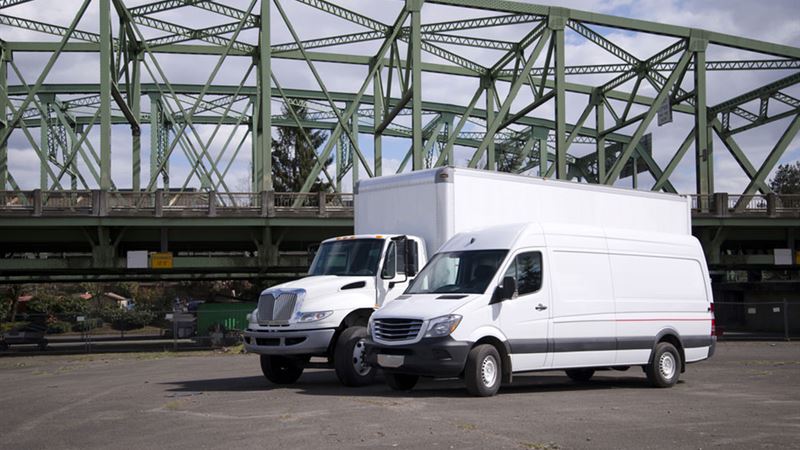
Planning a long-distance move across the country can be a daunting task, but with the right packing strategies and organization, you can make the process much smoother and more efficient. Whether you’re moving for a new job, family reasons, or simply seeking a change of scenery, ensuring your belongings are packed securely and systematically is crucial to a successful move. Utilizing U-Haul rental services provides flexibility, affordability, and convenience, but proper packing techniques are essential to maximize your move's safety and efficiency.
In this comprehensive guide, we will explore detailed packing tips tailored for cross-country relocations, focusing on safety, efficiency, and time-saving methods. From disassembling furniture to packing delicate electronics, and organizing your kitchen to managing your garage, we'll cover everything you need to plan and execute a seamless move. Read on to discover expert strategies that will help you reduce stress, avoid damage to your possessions, and make your move a success.
Preparing for Your Cross-Country Move: Initial Steps
Before diving into packing, it’s vital to prepare a detailed moving plan. Start by creating an inventory of your belongings to determine what to keep, donate, or discard. This step prevents unnecessary packing of items you no longer need and reduces the overall volume of your move, saving time and money.
Set your moving date and secure your U-Haul reservation well in advance, especially if you are moving during peak seasons. Consider buying or renting packing supplies such as boxes, bubble wrap, packing tape, markers, and stretch film. Planning ahead ensures you have all necessary materials, minimizing last-minute disruptions.
Declutter each room to streamline packing — donate or throw away items that are broken, outdated, or no longer needed. This effort not only reduces clutter but also makes packing and unpacking more manageable.
Maximizing Space and Protecting Valuables
Properly packing your belongings to optimize space and safeguard fragile items is fundamental. Employ the right packing techniques, such as disassembling larger furniture pieces and using specialized boxes for specific items.
Disassembling and Protecting Large Furniture
Whenever possible, disassemble bulky furniture like beds, tables, and shelving units. Keep screws, bolts, and small hardware in labeled plastic bags and tape them to the respective furniture pieces for easy reassembly. Wrap disassembled parts with moving pads or bubble wrap to prevent scratches and dents during transportation.
For delicate furniture, such as glass-topped tables, secure the glass with foam padding and mark the boxes as fragile. Use furniture dollies to move heavy items safely, reducing strain and preventing damage to floors.
Efficient Packing of Electronics and Breakables
Electronics like flat-screen TVs, computers, and audio systems require careful packing. Wrap screens with foam protectors, then place them in their original boxes if available, or use sturdy boxes with ample padding. Clearly mark boxes containing fragile items to ensure they are handled with care.
Small valuables such as jewelry, watches, or important documents should be stored in sandwich bags or small containers, then placed in accessible boxes during the move. Use soft packing materials to prevent shifting and damage during transit.
Organized Packing of Household Rooms
Each room in your home requires specific packing tactics to ensure safety and organization. Below are detailed strategies for each major area.
Kitchen
- Stop purchasing perishable foods at least one to two weeks before moving to minimize food wastage and reduce the load.
- Use dish and glass saver kits to pack breakables securely. Wrap each item individually with packing paper and bubble wrap for extra protection.
- Seal silverware and utensils in stretch wrap and place them in designated containers or boxes.
- Disassemble larger appliances, such as microwave ovens or small countertop appliances, for easier transport. Wrap them with moving pads to avoid damage.
Plan your pantry organization by packing non-perishable items in sturdy boxes, labeling their contents clearly to facilitate unpacking.
Living Room
- Pack movies, games, and electronic accessories in small, clearly labeled boxes for quick access during unpacking.
- Disassemble furniture like coffee tables, side tables, and entertainment centers. Wrap them with moving pads or bubble wrap for security.
- Secure rolled-up rugs with stretch wrap to keep them clean and compact during the move.
- Use dollies or furniture lifts to move heavy items safely, reducing physical strain and preventing damage.
Garage and Outdoor Items
- Sort through tools and outdoor gear; consider donating or discarding items you no longer use to lighten the load.
- Avoid boxing up toolbox items—wrap them with stretch wrap to keep everything together and ready for use at your new location.
- Drain fuel and other fluids from power tools to prevent leaks and hazards during transportation. Store sharp tools securely with padding or in designated containers.
- Wrap breakable or hazardous tools carefully with moving pads to prevent injury and damage.
Special Tips for a Safe and Efficient Move
During your cross-country move, safety should always be a priority. Always handle heavy or fragile items with proper equipment, such as moving dollies and protective padding. Label every box clearly, indicating the room it belongs to and whether it contains fragile items, to streamline unpacking.
Keep essential items—medications, vital documents, chargers, and basic toiletries—in an accessible box for immediate use upon arrival. Make sure your vehicle, especially if you are driving the U-Haul yourself, is well-maintained with a full tank of gas and all necessary documents ready.
Plan your route ahead and schedule rest breaks, especially for long drives, to ensure safety and alertness. Having a checklist can help you track packing progress and prevent overlooked items.
Final Checklist for a Successful Cross-Country Move
- Create a detailed inventory list
- Secure all necessary packing supplies
- Disassemble and protect furniture
- Pack fragile and valuable items carefully
- Label boxes clearly by room and content
- Drain fluids from tools and secure sharp objects
- Ensure vehicle readiness and route planning
- Pack an essentials box with immediate necessities
- Confirm U-Haul reservation and pickup arrangements
By following these comprehensive packing strategies and staying organized, you can ensure a streamlined, safe, and stress-free cross-country move. Proper preparation, attention to detail, and a methodical approach will enable you to settle into your new home quickly and without unnecessary worries.