
Comprehensive Guide to Key Features in Modern Hearing Aids
This comprehensive guide explores essential features in modern hearing aids, including telecoil systems, feedback suppression, and directional microphones. Learn how these technologies enhance sound clarity, reduce discomfort, and adapt to different environments. Choosing the right hearing aid with these features can significantly improve your hearing experience and quality of life. Whether you attend public venues or enjoy conversations in noisy settings, understanding these capabilities helps you make an informed decision tailored to your hearing needs. Discover the latest advancements to optimize your hearing health today.
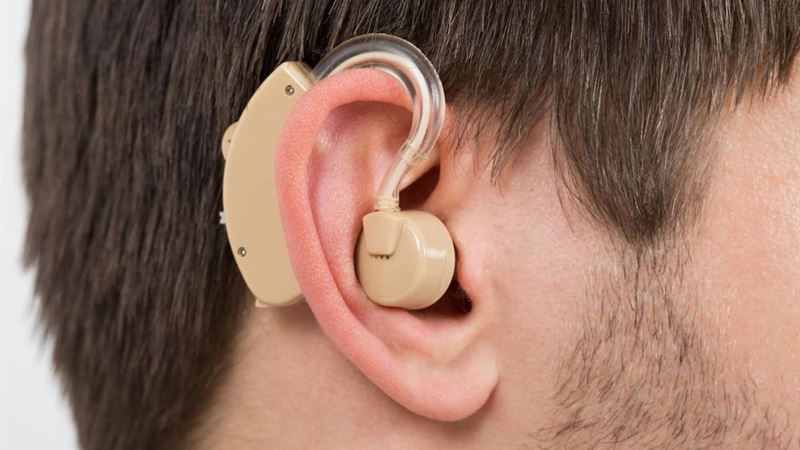
Hearing aids have evolved significantly over the years, incorporating advanced technology to improve the quality of life for individuals with hearing impairments. Today’s hearing devices are packed with features designed to enhance sound clarity, reduce discomfort, and adapt seamlessly to various environments. When selecting a hearing aid, understanding these core features can help you make an informed decision tailored to your specific needs. This detailed guide explores the most essential capabilities you should look for in a modern hearing aid, including telecoil systems, feedback reduction technology, and directional microphones, among others.
Telecoil Technology: Enhancing Sound Reception
Telecoil, also known as T-coil, is a critical feature in many hearing aids that significantly improves listening experiences in certain environments. It operates by converting electromagnetic signals from compatible devices such as loop systems and telephones into sound that the hearing aid can amplify. This technology is especially beneficial for individuals in public venues equipped with looped audio systems, like theaters, churches, and conference halls. The telecoil system captures the sound directly from the source, bypassing background noise and reverberation, which often interfere with speech clarity.
By simply switching to the telecoil setting, users can enjoy clearer conversations without turning up the volume excessively. This feature is invaluable for those who frequently attend public events, participate in meetings, or speak on the phone using telecoil-compatible devices. Modern hearing aids often include a telecoil that is adjustable, allowing users to optimize its performance based on their environment. When selecting a hearing device, confirm whether it offers a telecoil and consider how it can integrate into your daily routine for a more comfortable hearing experience.
Telecoil, also known as T-coil, is a critical feature in many hearing aids that significantly improves listening experiences in certain environments. It operates by converting electromagnetic signals from compatible devices such as loop systems and telephones into sound that the hearing aid can amplify. This technology is especially beneficial for individuals in public venues equipped with looped audio systems, like theaters, churches, and conference halls. The telecoil system captures the sound directly from the source, bypassing background noise and reverberation, which often interfere with speech clarity.
By simply switching to the telecoil setting, users can enjoy clearer conversations without turning up the volume excessively. This feature is invaluable for those who frequently attend public events, participate in meetings, or speak on the phone using telecoil-compatible devices. Modern hearing aids often include a telecoil that is adjustable, allowing users to optimize its performance based on their environment. When selecting a hearing device, confirm whether it offers a telecoil and consider how it can integrate into your daily routine for a more comfortable hearing experience.
Digital Feedback Suppression: Ensuring Comfortable Listening
One of the common issues with traditional hearing aids is the occurrence of high-pitched whistling sounds known as feedback. This phenomenon can be uncomfortable and distracting, affecting not only hearing quality but also user confidence. Fortunately, contemporary hearing aids are equipped with digital feedback suppression technology designed to address this problem effectively.
Digital feedback reduction systems analyze the sound signals in real-time and identify the frequencies associated with feedback. Once detected, the system automatically adjusts the gain or applies filters to eliminate the whistling without compromising speech clarity. This technology enables users to wear their devices comfortably for extended periods and to enjoy a more natural sound experience.
It is important to note that the effectiveness of feedback suppression varies based on the fit of the hearing aid. A well-fitted device that snugly conforms to the ear canal minimizes the chances of feedback. Additionally, regular maintenance and professional adjustments help sustain optimal performance. Modern hearing aids with advanced feedback control offer users greater flexibility in volume and sound quality, making everyday listening more pleasant and less intrusive.
One of the common issues with traditional hearing aids is the occurrence of high-pitched whistling sounds known as feedback. This phenomenon can be uncomfortable and distracting, affecting not only hearing quality but also user confidence. Fortunately, contemporary hearing aids are equipped with digital feedback suppression technology designed to address this problem effectively.
Digital feedback reduction systems analyze the sound signals in real-time and identify the frequencies associated with feedback. Once detected, the system automatically adjusts the gain or applies filters to eliminate the whistling without compromising speech clarity. This technology enables users to wear their devices comfortably for extended periods and to enjoy a more natural sound experience.
It is important to note that the effectiveness of feedback suppression varies based on the fit of the hearing aid. A well-fitted device that snugly conforms to the ear canal minimizes the chances of feedback. Additionally, regular maintenance and professional adjustments help sustain optimal performance. Modern hearing aids with advanced feedback control offer users greater flexibility in volume and sound quality, making everyday listening more pleasant and less intrusive.
Directional Microphones: Improving Speech Clarity in Noisy Conditions
Navigating noisy environments such as restaurants, social gatherings, or busy streets can pose challenges for those with hearing impairment. To address this, many contemporary hearing aids incorporate directional microphone technology, which focuses on sounds coming from the front and reduces background noise from the sides and rear.
This feature works by dynamically adjusting the focus of the microphone system based on the environment. When in a conversation, the device emphasizes the speech coming directly in front of the user, making it easier to understand even amidst competing sounds. Furthermore, most modern hearing aids can automatically switch between omnidirectional (surround sound) and directional modes, adapting quickly to the acoustic setting. This automatic transition ensures users are always listening in the most optimal mode without needing manual adjustments.
The benefit of directional microphones extends beyond clarity; it also enhances comfort by reducing listening fatigue and emphasizing important sounds in social settings. When choosing a hearing aid, consider models with high-quality directional microphone systems and automatic environment detection to ensure seamless adaptability and improved communication efficiency.
Navigating noisy environments such as restaurants, social gatherings, or busy streets can pose challenges for those with hearing impairment. To address this, many contemporary hearing aids incorporate directional microphone technology, which focuses on sounds coming from the front and reduces background noise from the sides and rear.
This feature works by dynamically adjusting the focus of the microphone system based on the environment. When in a conversation, the device emphasizes the speech coming directly in front of the user, making it easier to understand even amidst competing sounds. Furthermore, most modern hearing aids can automatically switch between omnidirectional (surround sound) and directional modes, adapting quickly to the acoustic setting. This automatic transition ensures users are always listening in the most optimal mode without needing manual adjustments.
The benefit of directional microphones extends beyond clarity; it also enhances comfort by reducing listening fatigue and emphasizing important sounds in social settings. When choosing a hearing aid, consider models with high-quality directional microphone systems and automatic environment detection to ensure seamless adaptability and improved communication efficiency.
In conclusion, these features—advanced telecoil systems, digital feedback suppression, and directional microphones—constitute the foundation of effective and comfortable modern hearing aids. Selecting devices that incorporate these technological advancements can significantly enhance your listening experience, helping you engage more fully in daily activities and social interactions. As technology continues to evolve, future hearing aids will likely incorporate even more intelligent features to offer personalized and effortless hearing solutions tailored precisely to individual needs.