
Smart Strategies to Reduce Expenses Using Coupons and Cost-Effective Practices
Discover effective strategies to lower your monthly expenses by using coupons, monitoring your spending, switching to cash, and choosing cost-effective alternatives. Learn practical tips to optimize utility bills, avoid unnecessary brand premiums, and develop disciplined financial habits to boost your savings and financial security.
Embrace Couponing and Deals
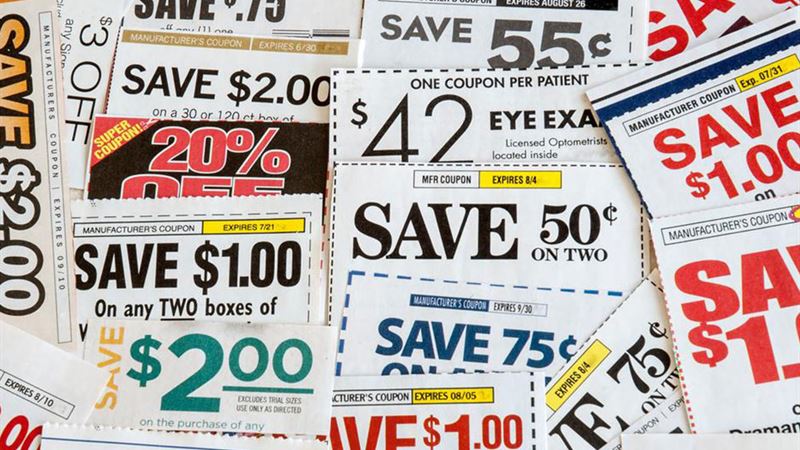
Using coupons and taking advantage of special deals is one of the most straightforward ways to cut costs. Collecting coupons from newspapers, store flyers, or online coupon sites enables you to purchase necessary goods at a lower price. Many department stores and online retailers offer discounts for bulk purchases or during promotional periods. Online platforms like Fingerhut and other deal websites provide exclusive coupons for a variety of products ranging from household essentials to electronics. By planning your shopping around these discounts, you can substantially decrease your household expenses. Make it a habit to search for current coupon codes before finalizing any purchase, especially for bigger transactions. Subscribing to newsletters from your favorite stores can also give you early access to sales and promotional codes.
Track and Analyze Your Spending
Before you can control your expenses, it’s essential to understand where your money is going. Start by tracking all your expenses for at least one month. Write down every purchase, from big bills to small daily expenses. This detailed review will highlight unnecessary spending patterns and help you identify areas where you can cut back. Many expense-tracking apps can facilitate this process, giving you insights into your spending habits. You might find that a coffee habit, dining out frequently, or impulse shopping significantly inflate your budget. Once you recognize these patterns, you can set targeted savings goals and adjust your spending accordingly. Consistent monitoring fosters awareness and promotes disciplined financial habits, making it easier to stick to your savings plan.
Opt for Cash Payments
While credit and debit cards offer convenience, they can also lead to overspending. Using cash for daily expenses makes your spending more tangible and limits your expenditures to the cash you carry. Establish a weekly cash budget for essentials like food, transportation, and miscellaneous expenses. When the cash runs out, you’re less likely to overspend. This approach also encourages mindful spending and reduces impulse purchases influenced by the ease of card payments. Additionally, consider using local transportation options or shared rides instead of owning a vehicle, and prepare meals at home rather than dining out. These small adjustments can add up to noticeable savings over time. Avoid relying on credit for routine expenses such as groceries or utility bills; paying with cash helps prevent accumulating unintended debt.
Minimize Utility and Service Bills
Utility costs often constitute a large part of household expenses. Simple actions can make a big difference. Switch to energy-efficient LED bulbs to reduce electricity bills, and consider weatherproofing your home to decrease heating and cooling costs. Review your phone and internet plans—many service providers offer cheaper plans or bundle packages that provide similar services at lower prices. For communication, utilize cost-free messaging apps like WhatsApp, Skype, or Messenger instead of traditional calling plans. Unnecessary subscriptions should be canceled, and you should regularly compare service providers to find better deals. For household chores like dry cleaning or gardening, look for local providers offering discounts or subscription-based services. Managing these recurring bills through careful planning and comparison shopping can lead to significant savings over the year.
Reconsider Brand Loyalty
Brand names are often associated with higher prices due to marketing and perceived quality. If your priority is saving money, don’t feel obligated to buy branded items all the time. Non-branded or store-brand products often offer comparable quality at a lower cost. Shopping at thrift stores, second-hand shops, or online marketplaces like eBay can give you access to designer labels and high-quality items at a fraction of their original price. Websites like Fingerhut often feature discounted products, making luxury or mid-range items more affordable. When purchasing clothing, electronics, or household goods, consider the impact of branding on the price—often, the difference is mainly the label. By being flexible with brands and focusing more on value, you can stretch your budget further without sacrificing quality.
In conclusion, reducing your expenses isn’t just about cutting costs; it’s about implementing strategic habits that promote financial stability. Leveraging coupons, tracking expenses, using cash, optimizing utility bills, and rethinking brand preferences are all effective methods to achieve significant savings. With patience and consistency, these tips can help you build a more secure financial future, allowing you to allocate funds to savings, investments, or leisure activities that truly matter. Remember, small changes can accumulate into substantial savings over time, leading to a more comfortable and stress-free financial life.