
Comprehensive Guide for Safe and Effective Use of Food Vacuum Sealers
Discover expert tips for safely and effectively using food vacuum sealers. Learn how to prepare various foods, choose the right bags, and maintain your appliance to maximize freshness and longevity. This comprehensive guide covers everything you need to know to get the best results from your vacuum sealing device and keep your food fresh longer, reducing waste and saving money in the process.
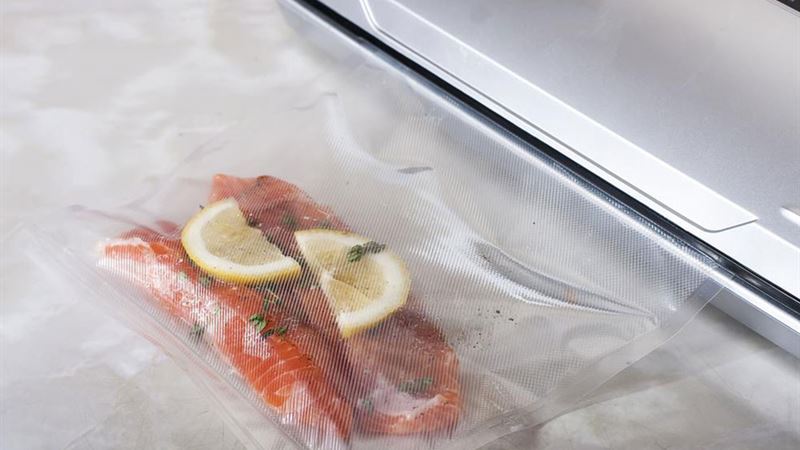
Vacuum sealing is a popular method for preserving food, extending shelf life, and reducing waste. However, to maximize its benefits and ensure food safety, proper usage of a food vacuum sealer is essential. One critical aspect is understanding what types of foods are suitable for vacuum sealing and how to prepare them appropriately. For instance, liquids are generally not ideal for vacuum sealing unless frozen beforehand because the vacuum mechanism can inadvertently suck in liquids, leading to messy spills or damage to the device. To seal liquids effectively, freeze them solid first, which turns the liquid into a solid block, and then apply vacuum sealing. Additionally, using a filter to prevent liquids from being sucked into the machine can be very helpful. When sealing powders or fine-grained foods, consider freezing these items or using specialized filters to avoid blockage or contamination of your vacuum sealer.Another crucial factor involves selecting the right sealing bags. Not all vacuum bags are compatible with every vacuum sealing device. Using the wrong type of bag can compromise the seal, leading to air ingress and potential spoilage. It is best to use bags recommended for your specific machine or opt for custom-made bags designed for particular models. Proper bag selection ensures durability and maintains a secure seal, keeping your food fresher for longer.When preparing your items for sealing, it’s important to avoid overfilling the bags. Leave at least three inches of space at the top of the bag before sealing. This margin provides adequate room for the machine to effectively create a tight seal without risking spillage or incomplete sealing. Properly leaving space also makes resealing easier if needed, saving time and effort during food storage.Sometimes, a seal might not be perfect on the first attempt. In such cases, you can create a secondary seal closer to the food without opening the bag, thus salvaging the sealing process and avoiding waste. During sealing, ensure the bag remains as smooth as possible. Wrinkles or creases trap residual air, which can compromise the vacuum and accelerate spoilage. For delicate items like fruits and vegetables, pre-freezing or blanching before sealing helps maintain their texture, prevent crushing, and prolong freshness.The durability of vacuum bags depends on their material. While often made of tough plastic, they can be punctured by sharp objects. To prevent tears or punctures, wrap items with sharp edges, such as dried fruits or pasta, in soft materials like paper towels before placing them in the bag. This extra step protects both the bag and the food.Investing in a high-quality vacuum sealer, such as a FoodSaver model, can save you both time and frustration in the long run. Use your device carefully and responsibly, following manufacturers’ instructions for optimal results. Proper maintenance includes regular cleaning after every use. Wiping down parts and ensuring no food particles remain will preserve the machine’s functionality and extend its lifespan. Store the vacuum sealer in a dry, safe place to prevent damage.In summary, using a vacuum sealer effectively involves proper preparation of foods, selecting compatible bags, leaving sufficient space for sealing, and careful handling of delicate items. By following these tips, you can enjoy longer-lasting, fresher food and make the most out of your vacuum sealing investment. Regular maintenance and proper usage will ensure your appliance remains reliable and efficient for years to come.