
Comprehensive Guide to Designing an Efficient and Stylish Kitchen Layout
Designing the perfect kitchen requires careful planning, from optimizing layout and storage to choosing the right appliances and aesthetics. This comprehensive guide offers invaluable tips and popular layouts to help homeowners create functional, stylish, and efficient cooking spaces. Whether you prefer modern island kitchens or space-saving one-wall designs, expert advice ensures your kitchen is both beautiful and practical. Prioritize workflow, storage, and design harmony for a space that enhances your home's value and your daily cooking experience.
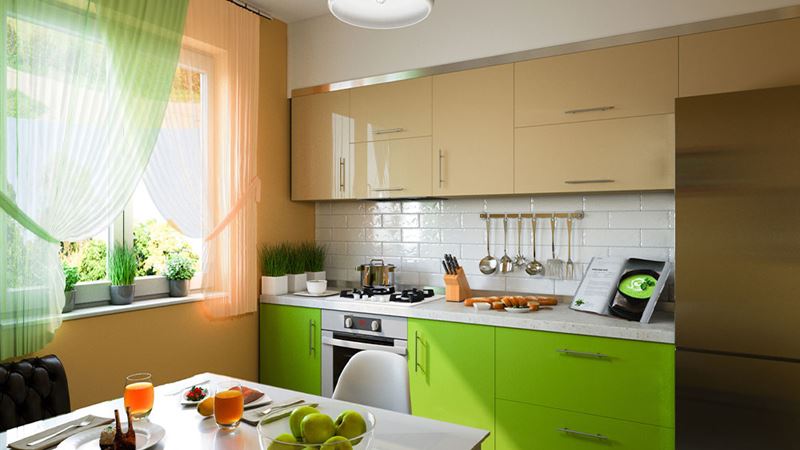
Creating the perfect kitchen layout is a crucial step in designing a functional and aesthetically pleasing cooking space. An optimal layout enhances workflow, maximizes storage, and complements your home's overall style. To achieve this, it’s important to first visualize your ideal kitchen environment. Using advanced tools like 3D planning software can help you imagine the arrangement of cabinets, appliances, and other features before any physical work begins. Once you've settled on a design, consulting with a professional kitchen designer or contractor ensures that your vision becomes a reality with proper installation. Today, many digital platforms offer intuitive kitchen planners that streamline this process, allowing homeowners to experiment with different configurations until they find the one that fits their needs and style preferences.
Maintaining a clutter-free and spacious kitchen is essential for safety and ease of movement. A well-planned layout should incorporate clear pathways, especially near entry points, so multiple users can move around comfortably. It’s prudent to allocate specific zones for appliances like the refrigerator, oven, and sink, minimizing unnecessary walking and improving efficiency. When planning storage solutions, consider the size and accessibility of cabinets and drawers to prevent overcrowding. Thoughtful placement of these storage units not only keeps your kitchen organized but also enhances its visual appeal, making daily tasks more manageable and enjoyable.
The kitchen island has become a central feature in modern kitchen designs. A properly sized island provides additional workspace and serves as a focal point for social interactions. Its size should correspond to the overall kitchen dimensions—smaller in compact spaces and larger in open-plan layouts. Additionally, ensure there is sufficient clearance around the island for comfortable movement and access to other appliances. Strategic placement of the island facilitates a smooth workflow, enabling you to prep, cook, and serve food efficiently without congestion.
One of the most overlooked aspects of kitchen design is storage. Adequate and well-organized storage is vital, especially in small or compact kitchens. Incorporate a variety of cabinets, drawers, and shelves tailored to your specific needs. For instance, designated spots for utensils, cookware, spices, and small appliances keep clutter at bay. Remember to include space for frequently used items like cutting boards, measuring cups, and storage containers, conveniently located for quick access. A smart storage plan not only keeps your kitchen tidy but also helps optimize space, making your cooking area more functional and pleasant to use.
Design and aesthetics play a significant role in creating a welcoming kitchen. Choosing a cohesive color scheme, whether bright and lively or muted and sophisticated, sets the tone for the entire space. Think about complementing wall colors with cabinet finishes and backsplash tiles for a harmonious look. If you're unsure about colors and themes, hiring an interior designer can add value by helping you select materials and finishes that match your style and lifestyle. Accessorizing with high-end fixtures, stylish backsplash tiles, and decorative accents can elevate the overall appearance, transforming your kitchen into a showpiece that reflects your personality.
When it comes to selecting a layout, the options are diverse and adaptable to different space sizes and needs. While custom designs can be tailored precisely to your specifications, several proven layouts offer excellent functionality and style. Below are some popular kitchen configurations that cater to various lifestyles and home sizes:
- Island Kitchen: A hallmark of modern open-concept spaces, this layout features a central island that serves multiple functions—food prep, casual dining, and socializing. The island should be proportionate to the room size, with ample space around it to facilitate movement. Storage drawers and cabinets within the island optimize space and keep commonly used items within easy reach. This layout is ideal for spacious kitchens and homeowners who love entertaining.
- Single-Wall Kitchen: Perfect for small homes or apartments, this straightforward layout groups all essential components along a single wall. This setup maximizes available space and simplifies workflow, making it easier to cook and clean efficiently. While it may limit countertop space, incorporating clever storage solutions can help overcome this challenge. Open or semi-open designs here also foster a sense of connectivity with living areas, encouraging social interaction.
- Galley Kitchen: Designed with efficiency in mind, this layout utilizes two parallel walls with work zones on either side, creating a corridor-like space. It’s excellent for maximizing compact areas and allows for simultaneous activities, such as cooking and cleaning, without interference. However, in very narrow spaces, the galley layout can feel cramped if not carefully planned. Proper lighting and unobstructed pathways are essential to prevent congestion.
- U-Shaped Kitchen: Equipped with three walls of cabinetry and countertops, the U-shaped layout provides ample storage and workspace. It’s highly functional for larger kitchens and families, as it facilitates multiple users and promotes an efficient workflow. The open end of the U can lead to a dining area or living space, fostering a seamless connection between cooking and entertaining zones. Adequate space should be maintained between the work zones to ensure comfort and safety.
Embarking on a kitchen redesign can seem daunting, but with careful planning and consideration, you can create a functional and beautiful space. Budgeting is crucial—some layouts and finishes can be costlier than others, so define your financial limits early on. Additionally, aim for a design that harmonizes with the overall interior style of your home. Conduct research online, read reviews, and seek inspiration from magazines and design websites to gather ideas. Consulting with professionals and using advanced planning tools can greatly enhance your project, resulting in a kitchen that is both stylish and highly functional.