
Comprehensive Guide to Choosing the Optimal Scar Healing Cream
Discover expert tips on choosing the most effective scar creams. From OTC options and dermatologist consultations to ingredient insights and customer reviews, learn how to select the perfect product for your skin type. This comprehensive guide helps you understand scar treatment options, set realistic expectations, and achieve optimal skin healing results safely and efficiently.
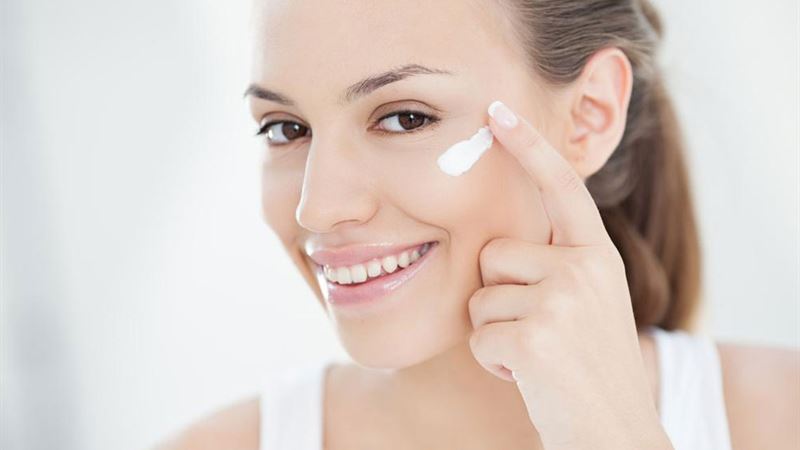
In today’s world, numerous options are available for reducing and healing scars, making it easier than ever to improve skin appearance. Among the various treatments available, topical creams stand out as one of the most effective and convenient options. These creams are scientifically formulated to aid in scar reduction and skin regeneration, allowing individuals to address their skin concerns without needing invasive procedures. Best of all, the ability to apply these treatments independently makes them a popular choice for many seeking quick and discreet solutions.
However, choosing the right scar treatment cream can be challenging given the plethora of options. Knowing what to look for, understanding the ingredients, and evaluating product reviews are essential steps toward effective scar management. In this comprehensive guide, you'll learn vital tips on how to select the best scar cream tailored to your skin type and scar condition, ensuring you achieve the best possible results.
Starting with Over-the-Counter Options — The first avenue to explore is over-the-counter (OTC) scar treatment creams. These products are readily available at local pharmacies, drugstores, and supermarkets. Generally, OTC scar creams contain ingredients like silicone, onion extract, vitamin E, or other skin-healing compounds designed to improve scar appearance over time. Pharmacists are often knowledgeable in recommending suitable products based on your specific needs. When selecting an OTC cream, it’s crucial to follow the usage instructions carefully for optimal outcomes. Consistency is key; regular application over a period of weeks or months can gradually diminish the visibility of scars.
In some cases, OTC solutions may not produce the desired results, especially with deep or longstanding scars. If you find yourself in this situation, consider consulting a dermatologist or skincare professional. They can provide expert advice and may prescribe specialized formulations or treatments to accelerate healing.
Seek Professional Guidance — For persistent or severe scars, consulting a dermatologist is highly recommended. A skincare expert can assess your scar's severity, skin type, and overall health to recommend an appropriate treatment plan. Dermatologists may prescribe prescription-strength creams or topical agents containing potent ingredients such as corticosteroids, tretinoin, or silicone gels that aren’t available OTC.
Moreover, individuals with sensitive skin, dermatological conditions, or allergies benefit from professional assessment to avoid adverse reactions. In some cases, laser therapy, microneedling, or chemical peels might be suggested alongside topical treatments, offering a multi-faceted approach to scar management. Remember, personalized treatment plans tend to deliver the best outcomes in scar reduction efforts.
Understanding Labels and Ingredients — Before purchasing any scar cream, whether OTC or prescription, it’s essential to scrutinize the product label diligently. Ingredients play a critical role in the effectiveness and safety of a topical scar treatment. Look for ingredients known to aid in wound healing and skin regeneration, such as silicone, which is considered a gold standard in scar care, or natural extracts like licorice or onion extract that can reduce inflammation and scars.
Be cautious of harmful chemicals such as hydroquinone, which, despite its skin-lightening properties, can cause adverse effects like skin irritation or allergy, especially if used improperly. For those aiming to maintain healthy skin, herbal or natural creams devoid of harsh chemicals are a safer option. Aim for products that promote oxygen dispersion in the skin, as oxygenation enhances cellular repair and wound healing.
Always verify if the cream is suitable for your skin type and check for potential allergens. If you have sensitive skin or pre-existing skin issues, consulting a dermatologist beforehand can help prevent unwanted reactions.
Research and Review Customer Feedback — Because the marketplace today offers a wide array of scar removal products from multiple brands, it’s wise to do thorough research before making a purchase. Customer reviews and feedback provide genuine insights into the efficacy, texture, scent, absorption rate, and potential side effects of various products. Numerous online platforms and retailer websites host reviews—reading a mix of positive and negative comments can help you gauge real-world performance.
Be cautious of overly glowing reviews or sponsored testimonials aimed at promoting specific products. Cross-referencing reviews across different platforms ensures a more balanced perspective. Remember, every skin is unique, and results can vary; thus, patience and persistence are essential. Avoid rushing into a purchase based solely on marketing claims.
Set Realistic Expectations and Practice Good Skin Care — It’s important to maintain realistic expectations when using scar creams. While many products can significantly improve scar appearance over time, complete removal, especially of deep or old scars, may not be entirely achievable through topical treatments alone. Results often take several weeks or even months of consistent use.
Patience coupled with diligent application, as well as overall skin care, enhances healing. Pay attention to the health of your skin—moisturize regularly, avoid excessive sun exposure, and maintain a balanced diet rich in vitamins, antioxidants, fruits, and vegetables. Proper hydration, sleep, and stress management further support the body’s natural healing processes.
Lastly, maintaining a healthy skincare routine that includes gentle cleansing and moisturizing can prevent new scars from forming and keep existing scars from worsening. Combining these practices with your chosen scar cream can optimize your chances of achieving smooth, healthy skin.
In conclusion, selecting the best scar cream involves a combination of understanding your specific needs, researching ingredients, seeking professional advice if necessary, and managing expectations. With patience, consistency, and careful choice, you can effectively diminish the appearance of scars and boost your confidence in your skin’s natural beauty.