
Comprehensive Guide to Selecting the Best Hospital Bed Repair Service Providers
Choosing an expert hospital bed repair service is vital for healthcare efficiency and patient safety. This guide covers essential factors such as ROI, expertise, turnaround times, and affordability. Learn how depot services streamline repairs, minimize downtime, and maximize value. Discover leading companies like Stryker, Hill-Rom, and Getinge who excel in hospital bed maintenance. Making the right choice ensures operational continuity, cost savings, and optimal patient comfort, ultimately elevating your healthcare facility's performance and reputation.
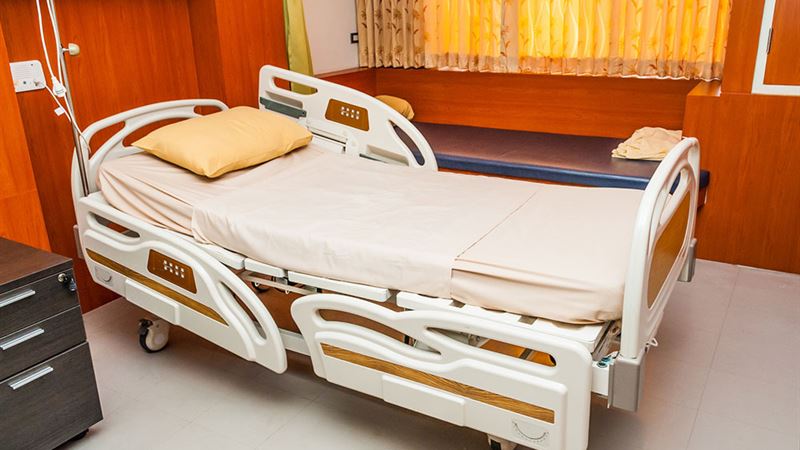
Choosing the right hospital bed repair company is a crucial decision for healthcare facilities aiming to deliver uninterrupted patient care. Beyond simply maintaining equipment, a dependable service provider ensures operational efficiency, cost savings, and patient safety. This extensive guide outlines the essential factors to consider, including return on investment, technical expertise, turnaround times, and affordability, helping healthcare administrators make informed choices that optimize equipment longevity and service quality. Investing in the right repair partner can significantly enhance your facility's overall performance and patient satisfaction.
1. Evaluating Return on Investment (ROI) in Hospital Bed Repairs
Healthcare providers must prioritize cost-effective maintenance strategies to maximize their investment in medical equipment. When selecting a repair company, understanding how they balance quality service with cost efficiency is vital. Companies that recognize the financial constraints of healthcare institutions offer depot services, which streamline repair processes by eliminating unnecessary transportation and downtime. Depot services allow technical staff to repair hospital beds at centralized facilities, reducing on-site handling and minimizing disruptions to daily operations. This approach not only shortens repair times but also lowers overall expenses, ensuring that the healthcare facility receives high-quality service without excessive costs. Additionally, a repair provider’s ability to manage inventory, parts, and logistics directly impacts ROI, making these aspects critical in decision-making.
Healthcare providers must prioritize cost-effective maintenance strategies to maximize their investment in medical equipment. When selecting a repair company, understanding how they balance quality service with cost efficiency is vital. Companies that recognize the financial constraints of healthcare institutions offer depot services, which streamline repair processes by eliminating unnecessary transportation and downtime. Depot services allow technical staff to repair hospital beds at centralized facilities, reducing on-site handling and minimizing disruptions to daily operations. This approach not only shortens repair times but also lowers overall expenses, ensuring that the healthcare facility receives high-quality service without excessive costs. Additionally, a repair provider’s ability to manage inventory, parts, and logistics directly impacts ROI, making these aspects critical in decision-making.
2. Expertise and Certifications: Ensuring Skilled Repairs
Technical proficiency is paramount in hospital bed maintenance. Reputable repair companies should showcase credentials, specialized training, and partnerships with equipment manufacturers. Many firms claim to service a broad array of medical devices, but genuine expertise is demonstrated through brand-specific certifications and accreditation from recognized bodies. Skilled technicians trained specifically in hospital bed systems understand the intricacies of various models, wiring, hydraulics, and mechanical components. Certified repair centers often hold manufacturer approvals, which instills greater confidence in their diagnostic and repair capabilities. Selecting a company with verified expertise ensures that repairs are completed correctly, prolonging the lifespan of hospital beds and maintaining safety standards.
Technical proficiency is paramount in hospital bed maintenance. Reputable repair companies should showcase credentials, specialized training, and partnerships with equipment manufacturers. Many firms claim to service a broad array of medical devices, but genuine expertise is demonstrated through brand-specific certifications and accreditation from recognized bodies. Skilled technicians trained specifically in hospital bed systems understand the intricacies of various models, wiring, hydraulics, and mechanical components. Certified repair centers often hold manufacturer approvals, which instills greater confidence in their diagnostic and repair capabilities. Selecting a company with verified expertise ensures that repairs are completed correctly, prolonging the lifespan of hospital beds and maintaining safety standards.
3. Importance of Rapid Turnaround Time
Time is a critical factor in maintaining hospital operations. Hospital beds are fundamental to patient care, and prolonged downtime can adversely affect patient treatment and comfort. Consequently, a repair company’s ability to deliver swift and reliable service is essential. When evaluating providers, inquire about their average repair times and whether they offer emergency services. Depot-based companies often provide faster turnaround because they have ready inventory and repair facilities nearby. Prompt repairs minimize operational disruptions, uphold patient safety, and enhance staff efficiency. Hospitals should seek partners known for completing repairs swiftly without compromising quality, ensuring beds are back in service promptly.
Time is a critical factor in maintaining hospital operations. Hospital beds are fundamental to patient care, and prolonged downtime can adversely affect patient treatment and comfort. Consequently, a repair company’s ability to deliver swift and reliable service is essential. When evaluating providers, inquire about their average repair times and whether they offer emergency services. Depot-based companies often provide faster turnaround because they have ready inventory and repair facilities nearby. Prompt repairs minimize operational disruptions, uphold patient safety, and enhance staff efficiency. Hospitals should seek partners known for completing repairs swiftly without compromising quality, ensuring beds are back in service promptly.
4. Cost-Effectiveness and Budget Considerations
While quality should not be compromised, affordability remains a significant factor. Hospitals operate within tight budgets, making it necessary to obtain accurate quotes for repairs and maintenance plans. Preferably, choose companies offering comprehensive annual maintenance contracts and emergency repair services that help reduce overall costs. Transparent pricing, no hidden fees, and flexible payment options are also desirable. Cost-effective service providers enable healthcare facilities to allocate resources efficiently, avoiding unnecessary expenditures while maintaining equipment reliability. Regular maintenance contracts can also prevent major issues, saving money in the long term and reducing unplanned expenses.
While quality should not be compromised, affordability remains a significant factor. Hospitals operate within tight budgets, making it necessary to obtain accurate quotes for repairs and maintenance plans. Preferably, choose companies offering comprehensive annual maintenance contracts and emergency repair services that help reduce overall costs. Transparent pricing, no hidden fees, and flexible payment options are also desirable. Cost-effective service providers enable healthcare facilities to allocate resources efficiently, avoiding unnecessary expenditures while maintaining equipment reliability. Regular maintenance contracts can also prevent major issues, saving money in the long term and reducing unplanned expenses.
Leading Hospital Bed Repair Service Providers
Several notable companies have established reputable histories in hospital bed repair, offering reliable services worldwide. Here are some top providers:
Several notable companies have established reputable histories in hospital bed repair, offering reliable services worldwide. Here are some top providers:
- Stryker: With operations spanning over seven decades since 1946, Stryker is recognized globally for its extensive experience and quality maintenance services in the medical equipment sector.
- Hill-Rom: Founded in 1929, Hill-Rom has become synonymous with hospital beds and patient care equipment. Their established expertise ensures top-tier repair solutions backed by a strong industry reputation.
- Getinge: Started in 1904, Getinge is amongst the pioneer companies providing hospital bed maintenance and repair, known for innovation and dependable service.