
Essential Guide to Choosing a Trusted Home Renovation Specialist
Discover comprehensive tips for choosing a trustworthy home renovation contractor, from budgeting and design ideas to verifying credentials and ensuring clear contractual agreements. This guide will streamline your remodeling journey, helping you avoid common pitfalls and achieve the home upgrade of your dreams.
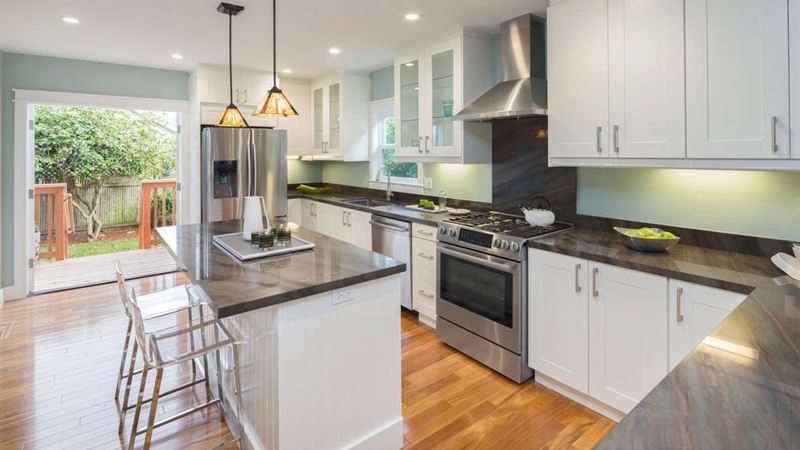
Define Your Design Vision and Style Preferences
Establishing your budget early simplifies the process of selecting a design that aligns with your financial capacity. Whether you're planning a comprehensive overhaul or targeting specific areas like the kitchen or bathroom, knowing your limits helps refine your choices. A full renovation offers the flexibility to reconfigure multiple structural elements, while focused upgrades can improve particular spaces without overhauling the entire home.
Maximize available space by utilizing areas like under the staircase—install shelves for books, a wine rack, or create a small home office.
Enhance visual focus with strategic lighting—spotlights, pendant lamps, or layered lighting schemes can add depth and ambiance to rooms.
Install open or glass-fronted shelves to showcase décor and improve storage aesthetics. These shelves can be used creatively to display artwork, collectibles, or functional items.
Accent walls painted with bold colors, textured wallpapers, or traditional patterns can establish a strong focal point and add character to your rooms.
Verify Contractor Credentials and Certifications
Ensuring your contractor holds proper credentials is crucial for a smooth remodeling process. Look for certifications from reputable industry organizations such as the Certified Graduate Remodeler (CGR), Building Industry Association (BIA), or Certified Aging in Place Specialist (CAPS). These credentials indicate adherence to industry standards, ethical practices, and a commitment to quality work. Certified contractors often demonstrate better reliability and professionalism, translating into a more efficient and satisfactory renovation experience.
Discuss Key Project Details Before Hiring
Different contractors have distinct work styles and specialties. To avoid misunderstandings, clarify essential details upfront, including:
- The scope and scale of their previous projects
- References from banks or suppliers to assess financial reliability
- Feedback from past clients on their work quality and professionalism
- Current projects that might overlap with your timeline
- The length of time they’ve been working with subcontractors and the quality of these relationships
Gathering this information helps ensure you partner with a contractor compatible with your vision and expectations.
Request Detailed Bids and Quotes
Once you have narrowed down potential contractors, ask each for a comprehensive bid. Provide them with detailed information about your remodeling ideas, preferred materials, and specific requirements. Ensure their quote covers all costs—labor, materials, profit margins, permits, and contingency allowances. Comparing detailed bids will help you identify which contractor offers the best value within your budget.
Beware of Extremely Low Bids
While it may be tempting to choose the lowest bid, be cautious. Sudden low quotes can sometimes indicate inferior materials, cutting corners, or hidden costs. Review each estimate carefully to confirm it aligns with your material preferences and project expectations. A trustworthy contractor will provide a fair, transparent quote that reflects quality work.
Understand Remodeling Costs
The cost to remodel a home varies significantly based on design choices, square footage, and materials used. On average, home renovations can range from $19,800 to $73,000, with per-square-foot costs between $15 and $60. Upgrades to specific areas like kitchens or bathrooms typically cost between $10,000 and $30,000, with high-end finishes increasing expenses further. Certain factors, such as market price fluctuations for materials, unforeseen structural issues, or last-minute modifications, can influence overall costs. Having a clear understanding of these factors helps you plan financially and avoid surprises during the project.
Secure a Written Contract
Verbal agreements or informal arrangements can lead to misunderstandings or disputes. Once you've selected a contractor, request a detailed written contract. This document should include project scope, payment terms, schedule milestones, material specifications, procedures for changes or additions, warranties, and cancellation policies. A comprehensive contract provides clarity and legal protection, ensuring both parties are aligned on expectations and deliverables. It also sets the foundation for a smooth remodeling process and minimizes potential conflicts.