
Comprehensive Guide to Choosing the Perfect Car Battery for Your Vehicle
Learn expert tips for selecting and maintaining the perfect car battery. This comprehensive guide covers size selection, climate considerations, maintenance options, and how to avoid common pitfalls like buying old batteries. Ensure reliable vehicle performance by following these essential recommendations and routine checks.
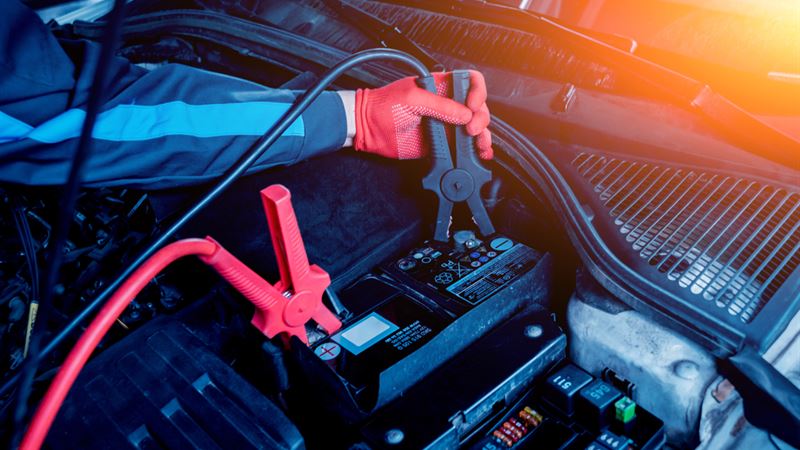
How to Select the Ideal Car Battery for Your Vehicle
Choosing the right battery for your vehicle is a critical decision that impacts the overall performance, reliability, and lifespan of your car. Car batteries are not one-size-fits-all; various factors such as vehicle type, climate, and driving habits influence the appropriate choice. Before heading to the store or browsing online, it's essential to understand what specifications your vehicle requires and which features will best serve your needs.
Every vehicle has unique power demands based on engine size, electrical systems, and usage patterns. Consulting your vehicle’s owner’s manual provides specific information regarding the battery size, cold cranking amps (CCA), and reserve capacity needed. If this document is unavailable, seeking assistance from a qualified automotive technician or mechanic is advisable. They can evaluate your car's electrical system and recommend a suitable battery that ensures optimal performance and longevity.
Considerations for Climate Compatibility
One of the most crucial factors in selecting a car battery is the climate of your location. Batteries must withstand environmental stresses like extreme heat or cold, which can significantly affect their efficiency and lifespan. Manufacturers often label batteries based on their suitability for different climates. For instance, batteries designed for hot climates typically bear an “S” designation, indicating “South,” which signifies resilience against high temperatures. Conversely, batteries suited for colder regions may have an “N” label, denoting “North,” designed to perform reliably in low temperatures.
If you frequently venture off-road or live in an area with rugged terrain, consider batteries engineered to handle continuous vibrations. Such specialized batteries are constructed with reinforced casing and internal components that resist jolts and shocks, ensuring reliable performance even under rough conditions.
Opt for Low-Maintenance or Maintenance-Free Batteries
Modern car batteries are often designed to be maintenance-free, offering convenience for busy vehicle owners. Maintenance-free batteries are sealed units that do not require regular water additions, minimizing upkeep and reducing the risk of neglect-related failures. While most batteries today are marketed as maintenance-free, some might still need periodic checks or water top-ups, especially in extreme climates.
Investing in a high-quality, maintenance-free battery streamlines maintenance routines, ensures consistent performance, and reduces long-term expenses. It's prudent to select models from reputable brands known for durability and reliability.
Leverage Online Consumer Feedback
Before purchasing a car battery, it’s highly beneficial to review feedback from fellow consumers and automotive experts. Online platforms, forums, and review sites provide insights into the real-world performance, durability, and customer satisfaction associated with various battery brands and models. Vehicle enthusiasts and consumer protection organizations regularly assess and rank batteries based on power output, longevity, and resilience.
Consulting these reviews helps you identify high-quality options, compare features, and avoid subpar products. Resources like automobile blogs, review aggregators, and manufacturer ratings are invaluable when making an informed choice.
Caution Against Buying Old or Used Batteries
It’s vital to avoid purchasing second-hand or expired car batteries, even if they come at a discounted price. Batteries deteriorate over time, even when not in use, losing their ability to hold a charge effectively. Always verify the manufacturing date before buying a new battery. Ideally, select a unit produced within the last five to six months to ensure maximum freshness and performance.
Manufacturers often print manufacturing dates directly on the battery or encode them using a letter system, where each letter corresponds to a month (A for January, B for February, etc.), with the letter I excluded. This helps ascertain the battery’s age and viability.
Conduct Regular Battery Testing
Routine maintenance and checks are essential to sustain your vehicle’s performance. It’s recommended to have your battery tested annually by certified automotive professionals. These tests help identify declining capacities, internal weaknesses, or signs of impending failure.
For hot or warm climates, start periodic testing after your vehicle reaches approximately two years of age. In colder regions, perform these checks annually starting around four years. Early detection of battery issues allows for timely replacement, preventing unexpected breakdowns and ensuring your vehicle starts reliably in all conditions.