
Ultimate Guide to Selecting the Perfect Mattress for Restful Sleep
Discover a detailed guide to choosing the perfect mattress tailored to your sleep style and support needs. From core types like innerspring, memory foam, and latex, to factors such as sleeping position and durability, this comprehensive article helps you make an informed decision. Learn how to select the right firmness and material for optimal comfort, support, and longevity to ensure restful nights and improved health. Equip yourself with expert tips and insights for a better night's sleep every night.
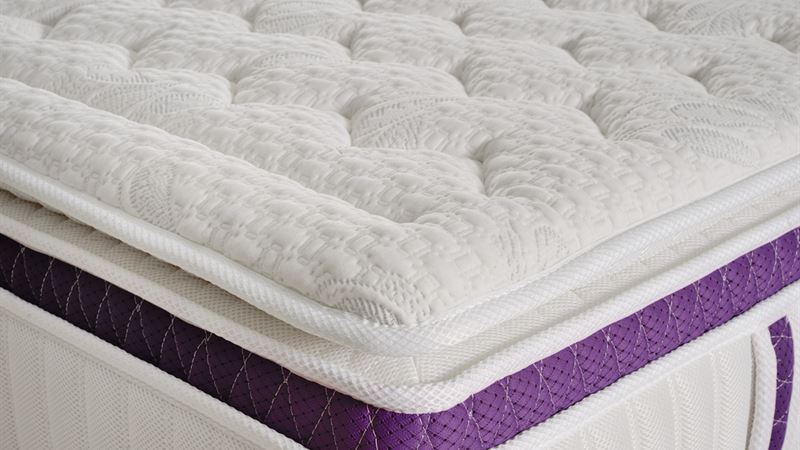
Understanding Mattress Core Types
The core of your mattress plays a vital role in providing the necessary support for quality sleep. Different core materials offer various benefits in terms of support, feel, and longevity. Familiarizing yourself with these options will help you select the most suitable mattress for your personal preferences and physical needs.
Innerspring Mattresses
Innerspring mattresses are among the most traditional types, favored for their resilience and bounce. These mattresses incorporate steel coils or springs as their primary support system. The gauge of these springs—measured in numbers—affects the firmness, durability, and responsiveness of the mattress.
Springs with a lower gauge number, such as 12, are thicker and denser, offering sturdier support ideal for heavier individuals. Conversely, springs with higher gauge numbers, like 18, are thinner, providing a more responsive and bouncy surface. This makes innerspring mattresses highly customizable based on factor like desired firmness, softness, and bounce.
While innerspring mattresses are known for their durability and air circulation capabilities, it’s important to consider their lifespan. Over time, compression of the springs can lead to sagging and decreased support. Therefore, choosing a high-quality innerspring mattress with reinforced coils can enhance longevity and ensure continued comfort.
Memory Foam Mattresses
Memory foam, also known as viscoelastic polyurethane foam, has gained popularity for its exceptional contouring abilities. These mattresses adapt to your body shape, providing personalized support that relieves pressure points. The density and thickness of the foam layer are crucial in determining comfort and durability.
Higher-density memory foams tend to be firmer and longer-lasting, whereas lower-density foams offer a softer feel but may degrade faster over time. Some memory foam mattresses are equipped with adjustable air chambers, allowing users to customize firmness by adding or releasing air via remote control. Dual-chamber designs can further enhance adjustable comfort, offering a versatile sleeping surface suitable for various preferences.
Latex Mattresses
Latex mattresses combine natural or synthetic latex materials to offer a balance of support and responsiveness. They resemble memory foam in their contouring qualities but are generally more resilient and buoyant. The two primary types of latex used are Dunlop and Talalay, each with distinct characteristics.
Dunlop latex is heavier and denser, providing a firmer feel and longer lifespan—often exceeding twenty years. Talalay latex is lighter with a softer, more elastic response, making it ideal for those seeking a more cushioning experience. Both options are environmentally friendly and resistant to dust mites, mold, and mildew, making them excellent choices for allergy sufferers.
Choosing a Mattress Based on Sleeping Positions
Your preferred sleeping position significantly influences the type of mattress best suited for your comfort and spinal health. Understanding these preferences helps in making an informed selection that promotes healthy alignment and restful sleep.
Side Sleepers
If you tend to sleep on your side, your mattress needs to accommodate the natural curves of your body, especially around the shoulders and hips. A mattress with good pressure relief and a slightly softer surface can prevent discomfort and numbness.
Innerspring mattresses with plush top layers or memory foam options typically provide excellent pressure dispersion for side sleepers. Latex mattresses, especially those with a softer feel, can also offer adequate support without sacrificing comfort. It’s important to test different firmness levels before purchasing to ensure optimal relief and support.
Stomach Sleepers
Stomach sleepers require a firmer mattress to keep the hips and pelvis aligned with the shoulders, preventing sagging and strain on the neck. Medium to firm mattresses, such as those with dense foam or reinforced innerspring cores, are usually the best options.
Memory foam mattresses that are too soft may cause the body to sink, leading to misalignment and discomfort. Innerspring models with a higher coil count and firm top layers often fit the bill well. The goal is to find a balance where the mattress provides support without sacrificing comfort.
Back Sleepers
Back sleepers benefit from a medium-firm mattress that offers sufficient support to keep the spine in natural alignment while offering enough softness to contour around the shoulders and lumbar region. Zoned support beds, which have varying firmness levels in different sections, can be particularly beneficial for alleviating pressure and maintaining proper posture.
Latex and hybrid mattresses combine the resilience of innerspring with the conforming qualities of foam, making them popular choices among back sleepers. Choosing a mattress with a supportive middle layer and a softer top layer can enhance comfort and spinal health.
Factors Influencing Your Mattress Choice
- Durability: Select a mattress made with high-quality materials to ensure longevity, especially if you plan to use it for many years.
- Temperature regulation: For hot sleepers, opt for mattresses with breathable covers, gel-infused foam, or innerspring cores that promote airflow.
- Motion isolation: If sharing your bed, consider memory foam or latex options that minimize movement transfer.
- Allergy considerations: Hypoallergenic materials like latex or specially treated foams can help reduce allergic reactions.