
Essential Guide to Refreshing Your Kitchen Cabinets with Professional Painting Tips
Discover essential tips for painting kitchen cabinets to achieve a professional, lasting finish. This comprehensive guide covers preparation, tools, interior painting, drying times, and teamwork to help you transform your kitchen easily and efficiently. Perfect for DIY enthusiasts seeking a stylish, renewed look without hiring professionals. Learn how to correctly prepare surfaces, select the right supplies, and ensure long-lasting results for a beautiful kitchen upgrade.
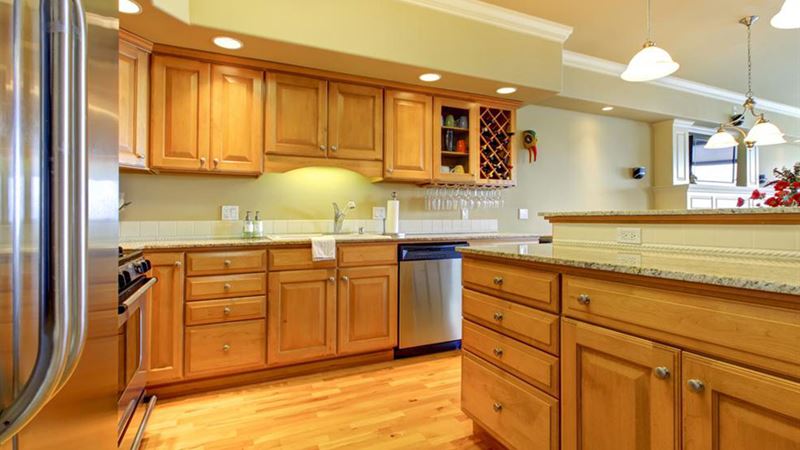
Before starting your cabinet painting project, ensure that all items inside and near the cabinets are completely removed. This step is crucial to prevent accidental spills or paint splatters from damaging your belongings. Clearing the space provides a clean, unobstructed area for your work and helps achieve a smooth, even finish. Take this opportunity to declutter and organize the space, making it easier to work efficiently and safely. Remember, the key to a flawless paint job is preparation, and removing items is an essential part of that process.
To achieve professional-looking results, it's vital to have the correct equipment on hand. Invest in quality sanders, various grits of sandpaper, disposable paint trays, paint rollers or sprayers, and tack cloths to clean surfaces. Applying a suitable primer, such as an oil-based primer, is recommended before painting to ensure better adhesion and durability of the finish. Using the right accessories not only simplifies the process but also enhances the final appearance, ensuring that your cabinets look new and polished after the project.
Many DIY enthusiasts overlook this critical step. Painting only the outer parts of the cabinets without addressing the interiors can lead to an uneven and unprofessional look. Remember, the interior surfaces are just as visible and important as the outside. Properly painting inside cabinets ensures a cohesive appearance, prevents future wear and tear, and shows attention to detail. It also helps avoid wastage of paint and time caused by incomplete coverage. For the best results, remove shelves and hardware, then carefully paint all inner surfaces, allowing thorough drying before reassembly.
After applying the paint, patience is key. Do not rush to put the cabinets back in use. Wait for the paint to cure completely, which may take several hours or even a couple of days based on the type of paint used. Placing items onto wet or tacky paint can ruin the work and spoil the appearance of your cabinets. Proper curing ensures a durable and smooth finish that lasts longer. During this time, keep the area well-ventilated to speed up drying and minimize odor.
Painting kitchen cabinets can be a challenging task, especially for beginners. Don’t hesitate to involve family members or friends to help with tasks like moving or holding items, which can make the process smoother and safer. Working with others can also make the project more enjoyable and less overwhelming. Remember, with proper help, you can achieve professional-quality results and transform your kitchen efficiently. Regular maintenance and periodic updates can keep your kitchen looking fresh and appealing long-term.