
Comprehensive Guide to COVID-19 Vaccine Passports: What You Need to Know
This comprehensive guide explores the concept of COVID-19 vaccine passports, their functionality, key developers, current global acceptance, and future prospects. Learn how these digital credentials may influence travel, social activities, and industries worldwide, along with the challenges and evolving international standards. Stay informed about what you need to know about vaccine passports for a safer, more connected future in the era of COVID-19.
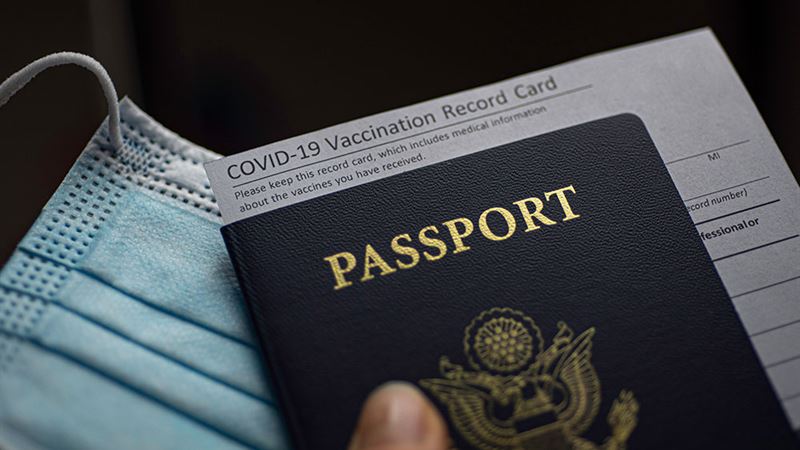
Understanding How COVID-19 Vaccine Passports Function
The COVID-19 vaccine passport is primarily designed as a digital credential, allowing quick and secure verification of vaccination status and recent testing results. Unlike traditional paper certificates, these digital tools can be stored on smartphones, making them portable and accessible. Many of these applications display essential health information, including vaccination dates, test results, and potentially other health-related data relevant to COVID-19. Additionally, some versions allow users to print out their credentials, offering flexibility in how they present their health status when required.
Key Organizations Developing Vaccine Passports
Several prominent organizations are actively working on creating reliable COVID-19 vaccine passport solutions tailored to meet the needs of travelers, employers, and venues. Among them, the International Air Transport Association (IATA), a major trade group representing global airlines, is developing a mobile application called Travel Pass. This app is designed to upload and manage vaccination documents and test results, enabling users to demonstrate their health status efficiently at airports and border crossings. Currently, airlines such as Qantas, Singapore Airlines, and Qatar Airways are testing the Travel Pass app, aiming to streamline international travel processes.
Similarly, IBM has introduced the Digital Health Pass, an innovative platform that allows organizations to verify the health credentials of employees, customers, and visitors before granting access to their premises. Intended for use across various industries, including corporate, sports, entertainment, and transportation sectors, the Digital Health Pass aims to simplify health verification while maintaining privacy and security standards.
Another notable development comes from Clear, a popular app that expedites security and entry at airports and stadiums. Clear is planning to roll out a new feature called Health Pass, in collaboration with The Commons Project Foundation, that will enable users to securely upload and share their vaccination and testing information. This initiative aims to make access to public venues smoother and more contactless, enhancing safety for everyone involved.
Are COVID-19 Vaccine Passports Mandatory for Travel?
Currently, the answer is no. The World Health Organization (WHO) has clarified that vaccination against COVID-19 should not be a compulsory requirement for international travel. The primary reasons include uncertainties regarding the vaccines' ability to prevent the transmission of the virus and the uneven global distribution of vaccines, which makes universal mandates impractical. Furthermore, not all countries recognize or accept digital vaccination certificates, creating logistical hurdles for travelers.
Despite this, some countries have begun implementing their own vaccine passport systems to facilitate domestic travel and access to social venues. For example, Israel's "Green Passport" grants vaccinated citizens permission to attend concerts, visit gyms, theaters, hotels, and places of worship. Denmark is also preparing to introduce a travel pass that allows vaccinated individuals to move with minimal restrictions. In the United States, New York State has launched the Excelsior Pass, an app that verifies vaccination status and allows vaccinated residents to attend events and visit entertainment venues more easily.
The Future of Vaccine Passports and Global Acceptance
As the world continues to adapt to the ongoing pandemic, the role of vaccine passports will likely evolve. Governments, health organizations, and industry stakeholders are exploring ways to implement these digital credentials seamlessly and securely. International coordination remains crucial to ensure mutual recognition of vaccination certificates, preventing border disruptions and enhancing global mobility.
Despite progress, challenges persist. Privacy concerns, data security issues, and disparities in vaccine access highlight the need for a balanced approach. The ongoing development of international standards and interoperability between different digital platforms will be vital to the success of vaccine passports in facilitating safe travel and social interactions in the post-pandemic world.