
Essential Insights for Securing a Personal Loan with Poor Credit
Discover comprehensive insights into obtaining a personal loan with poor credit. Learn about interest rates, fees, lender reputation, scam avoidance, and responsible borrowing strategies. This guide empowers you to make informed financial decisions to improve your credit situation and secure favorable loan terms, even with bad credit scores.
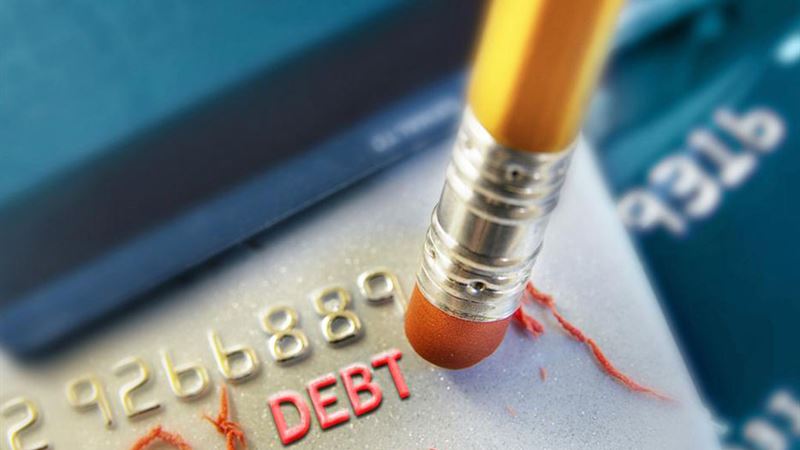
**Understanding Loan Interest Rates and Credit Scores**
One of the primary factors lenders evaluate is your credit score—a numerical representation of your creditworthiness. A higher score usually attracts lower interest rates, saving you money over the loan term. Conversely, if you have bad credit, expect higher rates to compensate for the increased risk to the lender. Recognizing this relationship helps you set realistic expectations and look for lenders who offer fair rates for subprime borrowers.
**Analyzing Fees and Associated Costs**
Many lenders charge fees that can add to the overall cost of your loan. Common fees include loan origination fees, late payment fees, prepayment penalties, and charges for unsuccessful payments. Some lenders may impose significant fees, while others keep them minimal or waive them altogether. Carefully reviewing the loan agreement and understanding all applicable fees will prevent surprises and help you choose the most cost-effective options.
**Flexibility in Repayment Terms**
Flexibility is crucial in managing debt effectively. Strong lenders offer a variety of repayment options, allowing borrowers to select terms that suit their financial situation. Whether you prefer shorter repayment periods to pay off the loan quickly or longer terms to reduce monthly payments, the best lenders accommodate such preferences. Always consider your income stability and future financial commitments when choosing repayment plans.
**Transparency in Loan Details**
Reliable lenders prioritize transparency. They clearly outline APR (Annual Percentage Rate), loan amounts, repayment periods, and overall costs on their websites, making it easier for borrowers to compare options. Prior to applying, ensure that all essential information is easily accessible and that you fully understand the terms to avoid unexpected obligations.
**Lender Geographic Reach**
The scope of a lender’s operations varies due to state regulations. Some lenders operate only within specific states, while others have a broader reach. Choosing a lender with a wide operational area increases your chances of accessing their services, streamlining the borrowing process regardless of your location.
**Assessing Lender Reputation and History**
Before committing, investigate each lender’s reputation through reviews on the Better Business Bureau or similar platforms. Longevity in business and positive customer feedback often indicate reliability. Be cautious of overly negative reviews, but also consider the context, as some negative comments may stem from misunderstandings or isolated incidents. A reputable lender with a solid track record minimizes the risk of future issues.
**Identifying and Avoiding Loan Scams**
Protect yourself from fraud by recognizing common scam signs. Authentic lenders do not guarantee loan approval without assessing your financial background. Beware of companies that request fees upfront or where the contact is persistent and aggressive. Verify the legitimacy of the business, especially if the company's name resembles major banks or established financial institutions, and avoid providing sensitive information over the phone unless you initiate the contact.
- Guarantees: Be suspicious of guarantees—legitimate lenders will never promise loan approval without reviewing your credit details.
- Fees: Watch out for companies demanding payment for application processing; legitimate lenders do not require upfront fees.
- Contact Methods: Be cautious if you’re pressured to accept an offer immediately or through unsolicited contact.
- Company Name: Verify the company's official name and legitimacy to avoid imposters mimicking well-known institutions.
- Information Sharing: Only share personal details through secure channels and with trusted entities.
- Use of Scare Tactics: Avoid lenders that push you to decide quickly or use fear-mongering tactics to make you accept unfavorable terms.
**Types of Bad Credit Personal Loans**
Personal loans suitable for individuals with poor credit come in various forms. Conventional loans may offer more favorable terms, but alternative options like payday loans, auto title loans, and no-credit-check loans are also prevalent. These options often come with higher interest rates and risk, so thorough research is essential before proceeding.
**Where to Find Bad Credit Personal Loans**
Several financial institutions—including banks, online lenders, credit unions, and credit card companies—offer loans tailored for individuals with less-than-perfect credit. Each has its own eligibility criteria and lending policies. Credit unions, for instance, tend to be more flexible and community-oriented, often providing better terms to longstanding members. Online lenders might provide quicker approval processes but require caution due to varying reliability.
**Importance of Responsible Borrowing**
Borrowing wisely is crucial, especially with bad credit. Avoid lenders that bypass credit checks or charge exorbitant fees, as they can trap you in a cycle of debt. If you opt for a secured loan—where collateral like your home, car, or savings account is involved—you may secure better rates, but you risk losing your asset if you default. Alternatively, seeking a co-signer with good credit can improve your chances of approval and secure more favorable terms. However, co-signers assume significant financial risk, including potential damage to their credit if you fail to pay.
In conclusion, understanding the intricacies of bad credit personal loans enables you to make informed decisions. By evaluating lender reputation, fee structures, repayment flexibility, and scam risks, you can find a loan that aligns with your financial situation and helps rebuild your credit standing.