
Comprehensive Guide to Portable Oxygen Concentrators: Features, Benefits, and Usage Tips
Discover the latest advancements in portable oxygen concentrators, including their functions, benefits, and key considerations for choosing the right device. Learn how modern POCs enhance mobility, support active lifestyles, and improve health outcomes for respiratory patients.
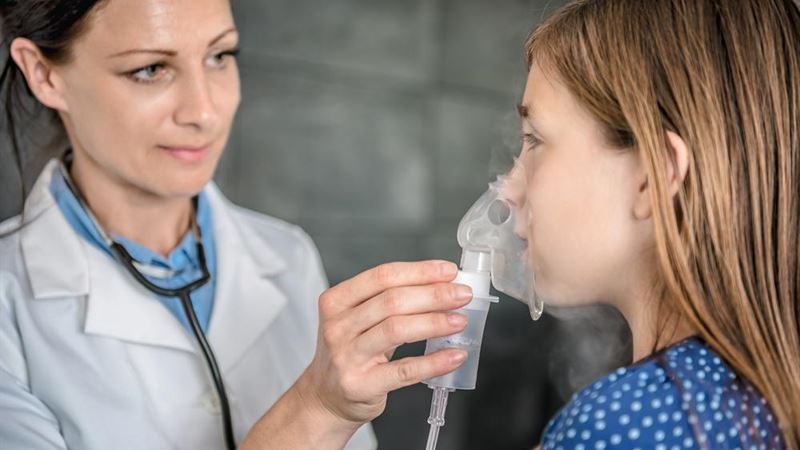
Portable oxygen concentrators (POCs) have revolutionized oxygen therapy by providing mobility and independence to patients with respiratory issues. Despite initial limitations such as restrictions on airline travel and reliability concerns, modern POCs have seen significant technological advancements. Today's devices can deliver up to six liters of oxygen per minute, operate efficiently on low power, and feature compact, lightweight designs suitable for active lifestyles. Understanding how these machines work, their advantages, and key considerations when choosing one is essential for patients seeking improved quality of life.
Historically, oxygen therapy was cumbersome, requiring bulky tanks that limited movement and convenience. The advent of portable oxygen concentrators has transformed this experience, enabling users to maintain their routines without being tethered to heavy equipment. Modern POCs utilize advanced filtration and compression technology to draw and purify surrounding air, removing nitrogen and concentrating oxygen to produce a breathable oxygen-rich mixture. This process allows users to inhale air containing 90-95% oxygen, significantly improving oxygen levels in the blood, which is vital for individuals with chronic respiratory conditions such as COPD, pulmonary fibrosis, or other oxygen-depleting diseases.
How exactly do portable oxygen concentrators work? They are sophisticated medical devices designed to assist individuals with low oxygen saturation levels. These devices function on an electrical power source, with many models offering battery support for enhanced portability. The operation involves several key processes:
- Drawing ambient air into the device from the surroundings.
- Compressing the air via internal mechanisms.
- Removing nitrogen and other inert gases, leaving concentrated oxygen.
- Adjusting the airflow to the user’s prescribed oxygen level.
- Delivering the purified oxygen directly to the user through nasal cannulas or masks.
Since atmospheric air comprises roughly 20% oxygen and 80% nitrogen, the device's main function is to strip out the nitrogen, enabling the user to inhale oxygen-rich air with minimal inert gases. This purification process reduces nitrogen levels to around 5-10%, ensuring safe inhalation without adverse effects. The result is a steady flow of high-concentration oxygen that supports critical bodily functions, sustains energy, and enhances overall well-being.
What benefits do advanced portable oxygen concentrators offer? Choosing reputable brands such as Inogen, Philips Respironics, Inova Labs, or Invacare can provide users with a variety of advantages tailored to their health needs and lifestyle preferences.
- Extended activity and exercise capability: Patients who require supplemental oxygen during physical activity can now exercise longer, gaining greater health benefits. Improved endurance leads to better cardiovascular health and boosts mood and mental well-being.
- Enhanced social engagement: Lightweight and portable, devices from leading manufacturers can be carried in cars, purses, or backpacks, allowing users to maintain active social lives without interruption.
- Mitigation of fatigue and cognitive impairment: Adequate oxygen levels prevent mental fog, fatigue, and decline in cognitive functions often associated with oxygen deficiency. This support is critical for maintaining independence and quality of life.
- Increased safety and survival rates: Continuous oxygen supply—up to 24 hours with modern devices—ensures that users receive life-sustaining support, especially during emergencies or outages of other oxygen sources.
When selecting a portable oxygen concentrator, several factors should be carefully considered. First and foremost, verify if the device comes with a manufacturer’s warranty and whether it has an expiration date or limited lifespan. Understanding the availability of repair services and spare parts is also crucial, especially for long-term usage or in case of malfunction.
Size and weight are vital considerations to ensure ease of transport, particularly if you frequently travel by car, airplane, or public transportation. Compatibility with transportation methods is essential; many POCs are designed to meet airline safety regulations and can be carried onboard with proper documentation.
In addition, users should evaluate battery life, recharge time, and ease of operation. Many modern models incorporate user-friendly controls, digital displays, and noise reduction features to improve comfort and convenience.
Ultimately, prolonged oxygen therapy with a reliable, portable device can significantly enhance recovery, mobility, and overall health. It helps mitigate risks associated with oxygen deprivation, such as pulmonary complications and cognitive decline, allowing individuals to lead more active and fulfilling lives. Before making a purchase, consult with healthcare providers to determine the most suitable model and ensure proper usage and maintenance. Equipped with the right POC, patients can enjoy a new level of freedom and confidence in managing their respiratory health.