
Comprehensive Guide to Portable Sawmills: Everything You Need to Know
Discover everything about portable sawmills, including their types, advantages, and key considerations. This comprehensive guide helps hobbyists, professionals, and small businesses select the right portable sawmill for their woodworking or forestry needs. Learn about chainsaw mills, band sawmills, circular sawmills, safety tips, and important factors to consider before making a purchase, ensuring you choose a machine that maximizes efficiency and reduces waste in your projects.
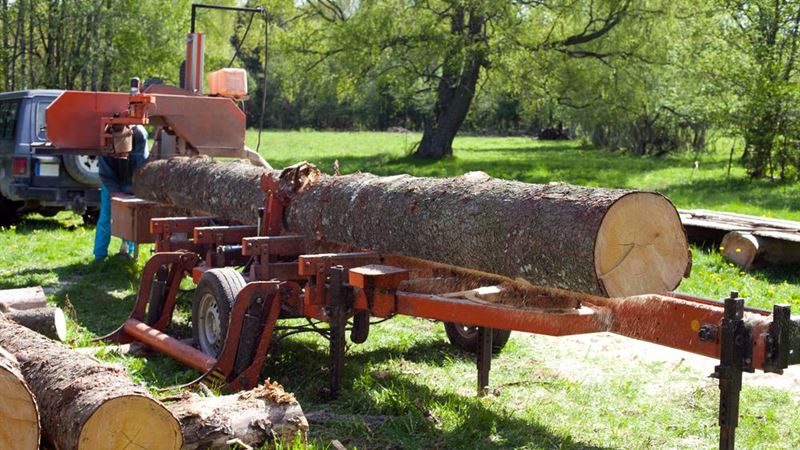
Portable sawmills have revolutionized the woodworking and lumber industries by providing versatile, cost-effective, and highly efficient solutions for cutting logs into usable lumber. Whether you're a hobbyist, a small-scale operator, or a professional in need of reliable mobile milling, understanding the different types of portable sawmills, their advantages, limitations, and key considerations can help you make an informed decision. This guide explores the intricacies of portable sawmills, their technology, functionality, and practical applications, offering comprehensive insights to help you optimize your woodworking projects.
The core function of portable sawmills involves converting raw logs into finished lumber through precise and efficient cutting processes. This not only speeds up the production timeline but also minimizes waste, making them highly desirable tools for both small and large scale operations. The ability to move these mills directly into the logging site or to remote locations makes them invaluable for forestry work, construction projects, and custom woodworking tasks. By understanding the different types of portable sawmills available on the market, their features, and their benefits, you can select the ideal model that best suits your needs.
Types of Portable Sawmills and Their Technologies
Choosing the right portable sawmill depends heavily on your specific requirements, budget, and the scale of your projects. The most common types of portable sawmills include chainsaw mills, band sawmills, and circular sawmills. Each type offers unique features, advantages, and limitations, catering to different applications and skill levels.
Chainsaw Mills: The Classic and Cost-Effective Choice
Chainsaw mills are often considered the most accessible and affordable option for small-scale or hobbyist woodworkers. This type involves a chainsaw mounted on a lightweight metal frame that is placed directly over the log. The chainsaw, guided along the frame, cuts the log into planks or beams of the desired thickness.
- Ease of Use: Chainsaw mills are straightforward to operate, making them ideal for beginners and casual users.
- Portability: Extremely portable due to their lightweight design, they can be carried into remote or rugged sites without much effort.
- Initial Cost: Significantly cheaper than other types, making them suitable for occasional use or small projects.
- Limitations: Cut all logs manually, which can be tiring and limits production speed. The maximum cut thickness is constrained by the chainsaw's bar length.
Band Sawmills: Precision and Efficiency for Larger Projects
Band sawmills utilize a continuous band blade to cut logs into lumber. They are often powered and feature a more structured framework, allowing for consistent, accurate, and faster cuts compared to chainsaw mills.
- Models on the Market: Popular brands include DEWALT DWM120K, Rikon 10-305 Bandsaw with Fence, and DEWALT DCS371B. These models are known for their reliability and precision.
- Durability and Maintenance: If properly maintained, band saw blades can last beyond ten years, providing long-term value.
- Uses: Suitable for high-quality milling tasks, ideal for small to medium-sized operations that require cleaner cuts and higher output.
- Features: Can be equipped with various attachments like fences, extension tracks, and log rollers to increase efficiency and precision.
Circular Sawmills: Heavy-Duty and Versatile
Circular sawmills employ a single or double circular blade to perform cutting operations. They can work in both vertical and horizontal configurations, offering great versatility and speed for larger-scale production.
- Single vs. Double Blade: The single-blade design is compact and efficient for standard tasks, while double-blade setups allow for cutting on both sides of the plank during a single pass, increasing throughput.
- Applications: Generally used in commercial settings or larger workshops where high-volume, uniform lumber production is necessary.
- Advantages: Capable of handling wider logs, facilitating fast processing of multiple logs simultaneously.
- Limitations: Usually heavier and more expensive, requiring more space and setup time.
Advantages of Using Portable Sawmills
Transitioning from traditional stationary sawmills to portable models offers numerous benefits, especially for those involved in on-site processing or working in remote locations. Portable sawmills present a range of practical advantages that can significantly improve efficiency, reduce costs, and enhance project outcomes.
- Minimized Waste: Portable sawmills are designed to produce less wood waste during processing, often reducing waste from approximately 60% in conventional setups to around 20%. This efficiency helps save valuable raw materials and lowers overall project costs.
- Mobility and Flexibility: As the name suggests, these mills are easy to transport and set up on various job sites, eliminating the need to move logs to a permanent sawmill location.
- Cost-Effectiveness: Generally more affordable than large stationary sawmills, portable models require less initial investment and lower maintenance costs, making them accessible to small businesses and DIY enthusiasts.
- Space-Saving Design: Their compact size allows operators to fit these machines into small vehicles or trailers, reducing transportation costs and logistical complexities.
- Engine Options and Customization: Many models offer a choice between gasoline and electric engines, allowing users to select the best power source based on availability and environmental considerations. Additional accessories like track extensions, log rollers, shingle kits, and ramps can be added to tailor the mill’s capabilities.
- Environmental and Safety Benefits: Portable sawmills reduce the need for large vehicles or tractors to drag logs—thus minimizing potential road accidents and environmental impact.
Limitations and Challenges of Portable Sawmills
While portable sawmills offer many advantages, it’s important to acknowledge their drawbacks. Continuous operation demands vigilance in safety and health protocols, as improper handling can lead to accidents or injuries. Managing these machines requires a good understanding of their mechanics and safe operation procedures.
- Safety Concerns: Operators must stay alert to avoid accidents caused by moving parts or improper handling of logs and blades.
- Skill Requirement: Using portable sawmills effectively comes with a learning curve that involves understanding blade tension, alignment, and safety measures.
- Limited Capacity: While suitable for many projects, portable sawmills generally have lower capacity compared to stationary, industrial models, limiting their use for very large operations.
Key Factors to Consider Before Purchasing a Portable Sawmill
Making an informed decision when selecting a portable sawmill involves evaluating several critical factors that influence performance, durability, and cost.
- Intended Purpose: Clarify whether the mill is for personal hobbies, small commercial projects, or large-scale forestry operations. The scale of your work impacts the choice of model and features.
- Budget Constraints: While chainsaw mills are budget-friendly, band and circular sawmills typically require a higher investment but offer greater efficiency and precision.
- Blade Configuration and Functionality: Determine whether you need a simple chainsaw setup or more complex band or circular blades for higher quality cuts.
- Secondhand Markets: Consider purchasing used models, which often provide comparable features at a lower price point, provided they are well-maintained and have a proven service history.
- Accessories and Expandability: Think about optional attachments like log rollers, shingle kits, or track extensions to enhance your milling capacity.
Final Thoughts
Choosing the right portable sawmill is a critical decision that can shape your woodworking or forestry projects' efficiency and success. By understanding the various types available, their features, and their benefits and limitations, you can select a machine that aligns with your goals, budget, and operational needs. Portable sawmills bring remarkable flexibility, cost savings, and productivity improvements, making them indispensable tools for modern log processing. Whether you're cutting for personal projects or running a small business, investing in the proper portable sawmill can elevate your woodworking capabilities to new heights.