
Comprehensive Insights into Modular Housing: Benefits, Differences, and Construction Details
Explore the comprehensive world of modular housing, covering design options, construction processes, cost considerations, and benefits. Learn how modular homes compare to traditional building methods, and discover why they are becoming a popular choice for affordable, efficient, and customizable living solutions. Get detailed insights into financing, timelines, and environmental advantages, helping prospective homeowners make informed decisions about modular living.
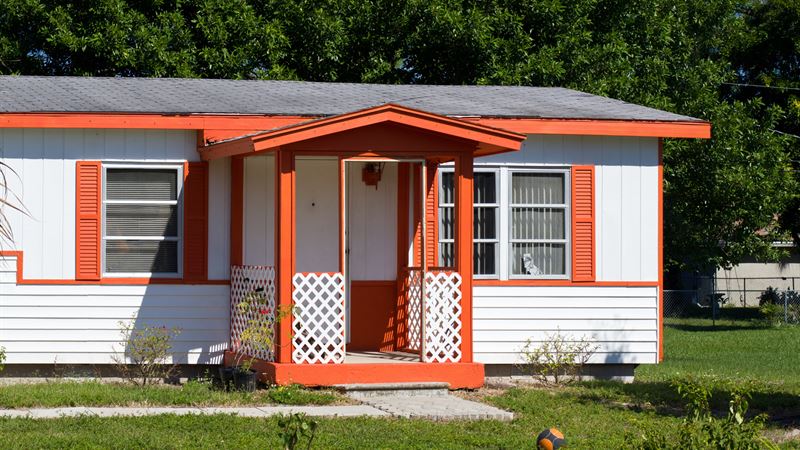
- Modular homes are designed to look just like traditional houses, offering a seamless aesthetic that fits into any neighborhood setting.
- They come in a wide variety of architectural styles and can be customized with additional site features to reflect your personal taste and preferences.
- The primary difference between modular homes and conventional site-built houses lies in the construction process, which is more streamlined and efficient in modular building.
- Despite the differences in construction method, modular homes utilize the same high-quality materials and design principles as traditional homes.
- It is important to distinguish modular homes from mobile or manufactured homes, as they are built under different standards and have distinct features.
Key distinctions between manufactured and modular homes
- Manufactured homes are sometimes called mobile homes and are constructed on a fixed steel chassis, making them transportable.
- They are built according to the federal HUD code, which sets specific standards for safety and quality.
- Typically, manufactured homes have a lower roofline and are single or double-wide, with no multiple floors or basements.
- They generally lack the architectural flexibility and customization options found in modular or site-built homes.
- Modular homes resemble traditional stick-built houses and are assembled in sections within a factory before transportation to the site.
- Construction follows state and local building codes, ensuring compliance with regional standards.
- Design options for modular homes are extensive, allowing for various shapes, sizes, and multi-story configurations, including basements.
- They can be tailored to suit individual preferences, from small cottages to large family homes with complex layouts.
Understanding the construction process: modular vs. site-built homes
- The construction process of modular homes closely parallels that of traditional on-site building, with both utilizing similar materials and techniques.
- The main advantage of modular construction is that modules are built off-site in controlled factory environments, speeding up the overall timeline.
- This off-site building process reduces weather-related delays, ensuring a more predictable project schedule.
- While the modules are being manufactured, the foundation and site preparations are completed simultaneously, further reducing construction time.
- After manufacturing, modules are transported to the site and assembled on the foundation, completing the structure.
- Typically, the entire construction—from start to finish—takes between one to three months, depending on the complexity and size of the home.
Financial considerations: Mortgages and costs for modular homes
- Obtaining financing for a modular home mirrors that of traditional homes, with mortgage approval processes and loan options similar in nature.
- Lenders treat modular homes as permanent structures, making mortgage approval straightforward for qualified buyers.
- Appraisals and insurance procedures are comparable, ensuring that financing and coverage are aligned with conventional home standards.
- Cost comparison shows that modular homes can often be more economical due to faster construction times and reduced labor costs.
- However, expenses can escalate depending on the complexity of design choices, custom features, and site-specific requirements.
- Additional costs such as septic systems, natural gas connections, basements, or specialized finishes may impact the overall budget.
- On average, final costs can increase by around 20% beyond initial estimates, so budgeting for contingencies is advisable.
Construction timeline: How long does it take to build a modular home?
- The duration for building a modular home depends significantly on the home's size and design complexity.
- More intricate layouts necessitate additional modules, extending the manufacturing and assembly phases.
- The controlled factory environment allows construction to proceed without weather delays, ensuring steady progress.
- Simultaneous site preparation and module manufacturing further reduce overall project duration.
- Once modules are completed, they are transported and assembled on-site, with finishing touches applied afterward.
- On average, the entire process from initial planning to move-in can range from about one to three months.
Advantages of choosing a modular home
- One of the primary benefits is cost-effectiveness, as modular homes often cost less than traditional on-site constructions.
- The accelerated construction timeline translates into savings on labor and project management expenses.
- Factory assembly ensures uniform quality and adherence to building codes, often eliminating the need for extensive on-site inspections.
- Energy efficiency features available in modular homes can significantly lower utility bills over time.
- Built with eco-friendly materials and processes, modular homes are a greener choice for environmentally conscious buyers.
- The wide range of design options allows homeowners to select styles that match their preferences and neighborhood aesthetics.
- Additionally, modular homes are highly adaptable and can be expanded or modified even after initial construction, offering long-term flexibility.