
Comprehensive Guide to Understanding Military Veterans and Their Contributions
This comprehensive guide explores the types of military veterans, the significance of Veterans Day, available benefits, and support systems to honor and assist those who have served. It emphasizes the importance of recognizing veterans’ sacrifices and highlights resources for their well-being and transition to civilian life, ensuring their contributions are valued and supported effectively.
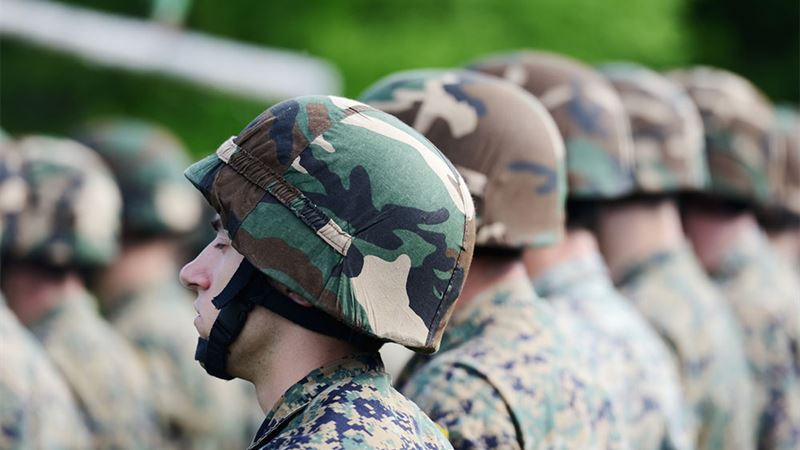
Military veterans are individuals who have served their country in the armed forces, including the army, navy, air force, or other military branches. Recognizing their service involves considering various factors such as the length of active duty, specific periods of service, the nature of their roles, and the circumstances under which they left the service. Generally, being a veteran requires active participation in military, air, or naval service, which qualifies individuals for numerous benefits and recognizes their dedication to national security and peacekeeping efforts. This article delves into the different classifications of veterans, the significance of Veterans Day, the myriad benefits available to these heroes, and the ongoing importance of supporting their transition to civilian life.
Understanding the different types of veterans is crucial for appreciating their unique experiences and needs. Broadly, veterans can be categorized into three primary groups based on their service conditions and roles:
- War Veterans
War veterans are those who have been involved in deployments on foreign soil or in regions experiencing active conflict. These individuals often serve on the front lines or support combat operations behind the scenes. Their roles might include combat personnel, medical staff such as doctors and nurses, mechanics who maintain equipment, and administrative staff handling logistics and planning. Though their experiences vary, all have contributed to their country’s defense during wartime, often facing hostile environments and risking their lives for national interests.
- Peacetime Veterans
This group includes service members who served during periods of peace or between major conflicts. These veterans might not have been engaged in direct combat, but their service was vital for maintaining readiness and ensuring national security during non-conflict periods. Their roles encompass training, logistical support, medical care, and other essential functions that uphold the military's operational capacity during calm years.
- Combat Veterans
Combat veterans are those who have experienced hostile situations resulting from offensive, defensive, or friendly military operations. These individuals face direct threats from perceived or real enemies and often operate in designated conflict zones for varying periods. Their sacrifices include not only risking their lives but also enduring physical and psychological impacts from their experiences. Recognizing their bravery is essential for honoring their service and addressing their ongoing needs.
Veterans Day, observed annually on November 11, holds significant national importance as a day dedicated to honoring those who have served in the military—living or deceased. Originally called Armistice Day, it marked the end of World War I, signifying peace and gratitude. In 1954, the name was officially changed to Veterans Day to encompass all military service members who have contributed to national defense. Unlike Memorial Day, which specifically honors fallen soldiers, Veterans Day celebrates the service and sacrifice of all veterans. Various countries observe similar days to acknowledge their armed forces’ contributions, emphasizing gratitude and respect.
The benefits provided to veterans are extensive and designed to support their transition, health, and well-being. These benefits are administered by government agencies like the Department of Veterans Affairs (VA) and may include:
- Educational Opportunities
Veterans are eligible for educational benefits such as the Post-9/11 GI Bill, which offers up to 36 months of tuition assistance, including reduced rates at state-funded universities and colleges. This benefit primarily targets service members who served after September 10, 2001, helping them pursue higher education and vocational training to rebuild their careers post-service.
- Healthcare Services
The VA provides comprehensive healthcare programs, including primary care, mental health services, disease prevention, and chronic disease management. Veterans also receive discounts on medical bills at VA facilities nationwide. These services ensure that veterans receive ongoing medical support for injuries or conditions sustained during their service, including mental health resources for PTSD and other conditions resulting from combat or military duties.
- Loans and Housing Support
Veterans qualify for various loan programs that facilitate homeownership, including VA-backed mortgages with favorable terms like no down payment or reduced interest rates. Additional assistance programs are available for housing repairs, temporary housing, and financial aid to ensure veterans and their families have a stable living environment.
- Disability Compensation
Those suffering from service-related injuries or illnesses are entitled to disability compensation. This tax-free benefit provides monthly payments to help cover medical expenses and compensate for the impact of disabilities incurred during service. The VA assesses each case individually, considering the severity of injury or health condition.
- Crisis Support and Hotlines
Recognizing the mental health challenges many veterans face, crisis hotlines and support services are available. These helplines connect veterans with trained responders, many of whom are veterans themselves, fostering understanding and providing immediate assistance in times of crisis. Such programs are vital for addressing issues like depression, anxiety, or suicidal ideation among former service members.
- Employment and Vocational Training
The transition from military to civilian life can be challenging; thus, government agencies and nonprofit organizations offer employment assistance and job training programs. These initiatives help veterans acquire new skills, explore careers, and connect with federal or private sector jobs. Resources like job placement services and resume workshops ease their integration into the civilian workforce.
As of recent data, the veteran community remains substantial, with over 13,000 veterans from World War II, Korea, and Vietnam still living, alongside approximately 1.9 million female veterans. Their sacrifices underscore the importance of continuous support and recognition. Engaging with VA programs and benefits is essential for veterans seeking to lead fulfilling post-service lives and ensuring their contributions are forever honored and appreciated.