
Essential Strategies for Securing Small Business Loans with Poor Credit History
Discover comprehensive strategies for securing small business loans even with poor credit. Learn how to prepare your application, negotiate better terms, and explore alternative funding options to ensure your business thrives. Patience, preparation, and professionalism are key to overcoming credit challenges and obtaining the financing you need for growth.
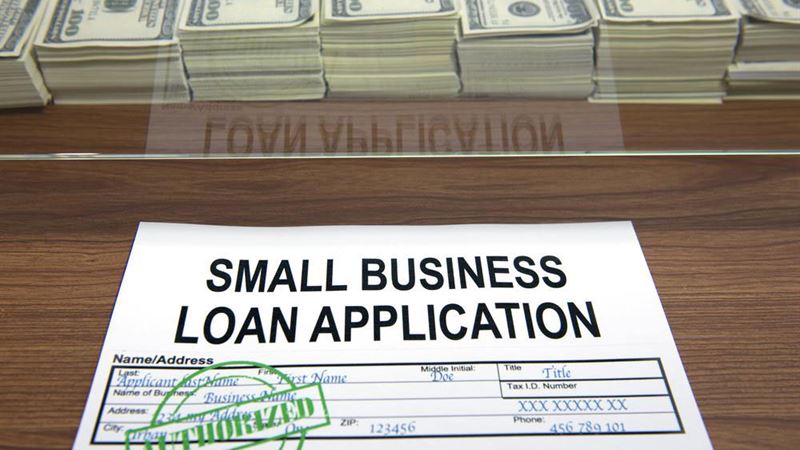
Securing a small business loan when your credit score is less than ideal can be a challenging endeavor, but with the right approach, it is entirely possible. Business owners facing bad credit often feel overwhelmed and unsure about the best steps to take. It's crucial to understand that lenders evaluate more than just credit scores; they assess your business’s potential, repayment capacity, and overall financial health. This comprehensive guide provides valuable insights and tactical advice to enhance your chances of obtaining the necessary funds despite a less-than-perfect credit record.
When applying for a small business loan with bad credit, patience and due diligence are vital. Many entrepreneurs rush into loan applications without considering the full scope of terms and conditions, which can lead to unfavorable agreements or rejection. Recognizing the importance of thorough research and strategic planning can be the difference between securing a beneficial loan and facing financial setbacks.
Understanding Your Financial Position and Setting Realistic Goals
Before diving into the loan application process, conduct a comprehensive review of your business finances. This includes analyzing cash flow, debt levels, and revenue streams. Establish clear, achievable goals for the funds you intend to secure—whether it's for inventory, equipment upgrades, marketing expansion, or operational costs. Having a precise plan not only boosts your confidence but also improves your credibility with lenders.
Identifying Suitable Loan Sources and Alternatives
Traditional banks often have stringent criteria, making it difficult for businesses with bad credit to qualify. However, alternative lenders, online lending platforms, microfinance institutions, and government-backed loan programs can offer more flexible options. Explore diverse lending avenues such as invoice financing, merchant cash advances, or peer-to-peer lending, which may have more accommodating eligibility requirements.
Enhancing Your Loan Application
To improve your chances of approval, prepare a comprehensive business plan that demonstrates your market potential, revenue projections, management experience, and repayment strategies. Collateral, such as business assets or personal guarantees, can also reassure lenders about your commitment and ability to repay. Additionally, gathering strong references and financial statements can further substantiate your application.
Common Pitfalls and How to Avoid Them
Many applicants fall into the trap of accepting unfavorable loan terms. For instance, some lenders try to capitalize on your urgent need for funds by imposing exorbitant interest rates or additional charges. To avoid such pitfalls, always negotiate diligently and compare offers from multiple sources. Be wary of hidden fees, high-interest rates, and rigid repayment schedules that could jeopardize your business’s financial stability.
Negotiating Better Terms
Effective negotiation can significantly improve your loan conditions. Present a compelling case to lenders by emphasizing your repayment plan, assets, and long-term business potential. Don’t hesitate to request lower interest rates, extended repayment periods, or reduced fees. Building a good rapport and demonstrating your reliability can also persuade lenders to customize terms more favorable to your situation.
Seeking Professional Advice
If you're unsure about navigating the loan landscape, consider consulting financial advisors or small business development centers. These professionals can offer tailored guidance, help you prepare an impressive application, and identify the best funding sources suited to your credit situation.
In conclusion, obtaining a small business loan with bad credit requires a strategic mindset, patience, and meticulous preparation. By understanding your financial position, exploring diverse funding options, presenting a solid application, and negotiating effectively, you can secure the funds necessary to grow and sustain your business—despite a challenging credit history. Remember, success often comes to those who remain persistent, well-informed, and cautious throughout their borrowing journey.