
Essential Guidelines for Choosing Perfect Living Room Furniture
Discover comprehensive tips for selecting the ideal living room furniture, focusing on quality, space planning, style harmony, and functionality. This guide ensures your living space becomes both beautiful and practical while reflecting your personal taste. Learn how to measure your room accurately, choose durable pieces, and create a cohesive design that maximizes comfort and aesthetics. Perfect for homeowners and interior enthusiasts looking to enhance their living environment with well-chosen furniture arrangements.
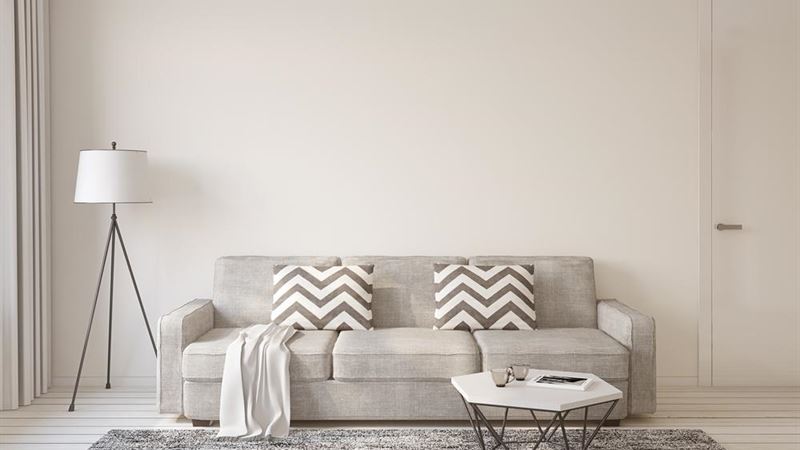
Designing and furnishing a living room involves more than just picking attractive pieces. To create a space that is both functional and aesthetically pleasing, careful planning and consideration are essential. The right furniture can transform the room, reflecting your style while ensuring comfort and practicality. In this comprehensive guide, we delve into the crucial aspects to keep in mind when selecting furniture for your living area, helping you make informed decisions that enhance your home environment.
When embarking on the journey to furnish your living room, the first step is to prioritize quality and appearance simultaneously. Your furniture should seamlessly blend with the room’s architecture, ensuring that it complements the existing decor and layout without overwhelming the space. Proper placement of each piece is equally important, as well-arranged furniture contributes to ease of movement and visual harmony.
Understanding the Basics Before Making a Purchase
- Identify Your Core Needs
Start by determining what essential furniture elements you require. This typically includes comfortable seating options like sofas and armchairs, a functional coffee table, and storage solutions such as bookshelves or cabinets. Focus on choosing pieces that serve your primary needs before adding decorative or supplementary items. Assess your space thoroughly to decide on the appropriate sizes of these pieces, ensuring they don’t crowd the room or obstruct pathways.
Accurate Room Measurement and Planning
- Measure Your Space Carefully
Accurate measurements are vital to ensure your furniture fits comfortably within the room. Measure the length, width, and height of the space, accounting for windows, doors, and architectural features like columns or alcoves. Create a scaled floor plan—either on paper or using digital tools—to visualize how different arrangements will look and function. - Design a Functional Layout
Plan the placement strategically, leaving sufficient space for movement. Avoid overcrowding by maintaining clear pathways that connect furniture pieces logically. Remember, ease of access and comfort should guide your layout choices, leading to a more harmonious living area.
Considering Functionality and Usage Patterns
- Assess Activities and Lifestyle
Think about how you plan to use your living room. Will it be a space primarily for relaxing, entertaining guests, watching television, or working? Your answers will influence the type and placement of furniture. For example, if you enjoy hosting gatherings, consider including additional seating like ottomans, poufs, or modular sofas that can adapt to different group sizes. - Innovative Storage Solutions
In smaller spaces, smart storage can add value. Wall-mounted units, hidden compartments within coffee tables, or vertical cabinets help maximize available space while keeping the room tidy. For multimedia setups, wall-mounting televisions and opting for sleek cabinets can reduce clutter and improve aesthetics.
Respecting Existing Architectural Elements
- Align Furniture with Architectural Details
Take into account existing features such as large windows, decorative columns, or ceiling heights. These elements influence furniture placement and stylistic choices. For example, oversized furniture might overshadow a petite room, while furniture that echoes the architectural style can enhance visual cohesion. - Enhance and Complement the Space
Choose pieces that accentuate the room’s features rather than hide them. For instance, a sectional sofa can be arranged to frame a fireplace or window view, creating a cozy focal point and maintaining the room’s overall harmony.
Prioritizing Quality over Cost
- Invest in Durable Materials
While budget constraints are understandable, compromising on quality can lead to frequent replacements and added costs over time. Look for furniture crafted from sturdy materials such as hardwood, high-quality upholstery, and resilient finishes. These elements ensure longevity and sustained aesthetic appeal. - Avoid Low-Quality, Cheap Alternatives
Cheap furniture often sacrifices durability for price, leading to issues like sagging cushions, peeling finishes, or structural failure. Prioritize quality to ensure your investments stand the test of time and contribute positively to your home’s ambiance.
Creating a Coordinated Look
- Match Furniture with the Room’s Theme
Choose furniture styles that align with your overall interior design. For a vintage vibe, opt for classic, ornate pieces; for a contemporary look, sleek and minimalistic designs work best. While mixing styles is possible, aim for a balanced combination that maintains visual consistency and avoids chaos. - Implement a Color Scheme
Select colors that complement the room’s palette. Consistent color themes help create a unified appearance, making the space feel more inviting and cohesive.
Adding Accent Pieces for Personal Touch
- Incorporate Diverse Elements
In addition to foundational furniture, consider accents like decorative pillows, throws, rugs, and unique side tables. These accessories can elevate the room’s character and introduce personal style elements. - Use Versatile and Eccentric Furniture
In spaces with an open layout, add bean bags, poufs, or artistic lamps to enhance functionality and aesthetic appeal. These pieces also serve as conversation starters and make the space more inviting.
Final Thoughts on Living Room Furniture Selection
Choosing the right living room furniture involves a careful balance of aesthetics, functionality, size, and quality. Avoid clutter by selecting only necessary pieces, and ensure each item complements the room’s architecture and theme. Proper placement, high-quality materials, and thoughtful accents contribute to a cozy, stylish, and practical living area. After purchase, maintain your furniture by cleaning regularly and addressing damages promptly to ensure longevity. Thoughtful planning and conscious decisions will significantly enhance your living space, making it a welcoming retreat for family and friends alike.