
Essential Factors to Evaluate Before Selecting a Faucet
Learn essential tips for choosing the perfect faucet, including style options, materials, safety features, and installation considerations. Make informed decisions to enhance your bathroom or kitchen's functionality and look.
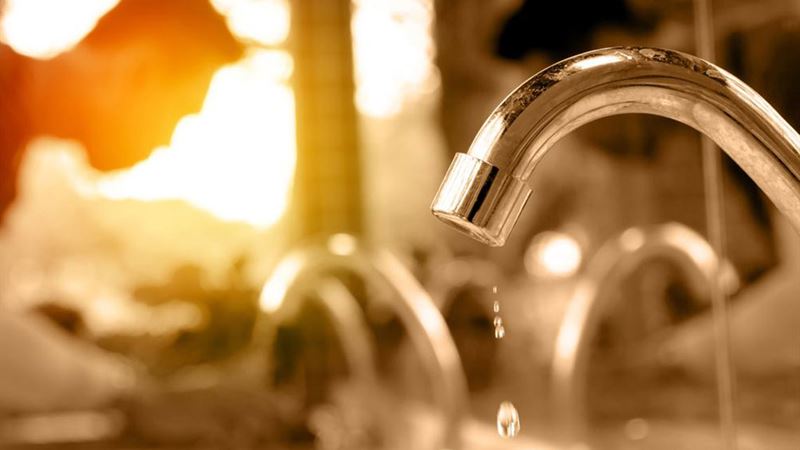
Choosing the right faucet is a vital aspect of bathroom and kitchen design, impacting both functionality and aesthetic appeal. While some high-priced faucets may not necessarily guarantee superior quality, understanding what features and qualities to look for ensures you make an informed purchase. Exploring different options, understanding their features, and considering your specific needs will help you select a faucet that offers durability, efficiency, and style. Whether you need a child-friendly faucet with temperature controls or a sleek, modern design, making the right choice requires careful evaluation.
One of the key considerations is the variety of faucet styles available in the market. Each style serves different preferences and functional needs. Single-handle faucets, also known as center set faucets, are popular for their ease of use, allowing you to control water temperature and flow with a single lever. These are particularly convenient for quick adjustments and are a common choice in modern kitchens and bathrooms. Two-handle faucets, often seen in traditional bathroom fixtures, provide separate controls for hot and cold water, giving users more precise control over temperature.
Understanding your sink's hole configuration is crucial before purchasing a faucet. Standard setups include single-hole installations, ideal for minimalist designs or single-handle models, and multi-hole configurations, like 4-inch or 8-inch centerset designs, which accommodate additional features such as soap dispensers, sprayers, or hot water accessories. For instance, if you want a faucet with a built-in soap dispenser or a sprayer, ensure your sink has compatible holes, usually arranged at an 8-inch center or a single hole for straightforward models.
Materials play a significant role in faucet durability and aesthetics. Common choices include brass, known for its long-lasting qualities, and corrosion resistance. Faucets are often finished with various coatings, such as polished chrome, brushed nickel, glossy finishes, or antique brass, to match different decor styles. Brass faucets tend to retain their shiny finish over time, providing a classic look that complements both modern and traditional spaces. Powder-coated enamel finishes add color options and extra protection against corrosion, ensuring the fixture remains pristine for years.
Beyond style and material, additional features can enhance your user experience. Temperature-limiting faucets are ideal when safety is a priority, especially in households with children. These faucets incorporate safety measures to prevent scalding by limiting maximum water temperature. Warranties are also a critical factor; they safeguard your investment by covering leaks, drips, or manufacturing defects within a specified period. When evaluating options, check the warranty policy and what it covers to avoid future disruptions.
Other features to consider include water-saving technology, which promotes conservation and reduces utility bills, and ease of installation. Some faucets come with quick-installation features, making DIY setup feasible. Additionally, consider the brand reputation and customer reviews, which can provide insight into the product’s longevity and performance.
To summarize, selecting the perfect faucet involves assessing your specific needs, understanding the available styles and materials, and evaluating additional features. By taking into account the sink’s configuration, safety features, warranty coverage, and aesthetic preferences, you can make a well-informed decision that ensures functionality, durability, and style in your space.