
Essential Guide to Selecting the Perfect Snowboard Equipment
Discover comprehensive tips for choosing the perfect snowboard gear tailored to your riding style and skill level. This guide covers board flex, shape, terrain-specific designs, and essential features to help you make informed decisions and enhance your snowboarding experience.
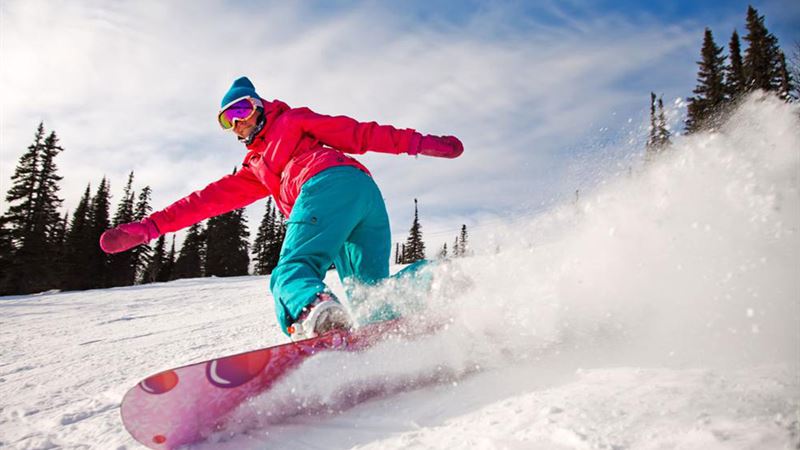
For enthusiasts of winter sports, choosing the right snowboard setup is crucial to enhance performance, safety, and enjoyment on the slopes. The wide variety of snowboards available can make the decision overwhelming, but understanding key features and classifications can simplify the process. In this comprehensive guide, we explore the essential factors to consider when selecting your gear, including board flex, shape, edge reinforcement, and specialized designs tailored to different riding styles. Whether you're a beginner or an advanced rider, making informed choices ensures a more enjoyable and confident snowboarding experience.
Snowboard flex plays a significant role in how the board responds to your movements. Boards with a stiffer flex provide increased stability at high speeds and better control during aggressive maneuvers, making them ideal for experienced riders tackling challenging terrains. Conversely, softer flex boards are more forgiving and easier to turn, which benefits beginners or freestyle enthusiasts practicing tricks in the park. The flex rating is often indicated on the board and should match your weight and riding style for optimal performance.
The shape and profile of your snowboard heavily influence how it handles different conditions. The most common profile is the traditional camber, which offers excellent edge hold and precise control, particularly on groomed runs. Hybrid camber designs combine camber and rocker elements to provide a balance of stability and maneuverability, appealing to riders seeking versatility across various terrains. Rocker, or reverse camber, creates a raised contact point at the tips, helping riders float over powder and perform easier turns in deep snow.
Durability is another critical consideration. Reinforced edges, made from tough metal alloys, are essential for riding icy, hard-packed snow and performing edge-intensive tricks. These reinforced edges resist dulling and chipping, extending the lifespan of your snowboard. Additionally, the type of base material and core construction influence the board's overall strength, weight, and maintenance needs.
Different riding styles require specialized snowboards. Freestyle riders focus on park riding, performing tricks, jumps, and rails; they prefer shorter, lighter, and flexible boards that allow for quick maneuvering. These boards often feature a twin or directional twin shape with soft to medium flex, facilitating spins, grabs, and jibbing. Speed or freeride enthusiasts require stiffer, longer boards designed to handle high speeds and varied terrains like powder, crud, and groomed slopes. These boards typically have a directional shape with features that enhance stability and edge hold at high velocities.
To further refine your choice, consider the following common snowboard categories based on terrain and riding style:
- Big Mountain Snowboards: Built for challenging freeride terrains for expert riders. They handle steep descents, deep snow, and high-speed carving with ease, often featuring advanced construction for durability.
- Split Tail Snowboards: These boards often feature a fish tail design, providing extra buoyancy in deep powder, making them ideal for backcountry adventures and deep snow riding.
- Splitboards: Innovative equipment designed for backcountry explorers. The board splits into two skis for uphill mobility and can be reassembled for downhill riding, enabling access to remote terrains.
- Powder Snowboards: Optimized for fresh snow and off-piste riding, these boards feature a wider nose, a tapered tail, and bindings positioned to help float over deep snow.
- Carving and Racing Snowboards: Narrow and stiff, these boards excel in making sharp, precise turns on groomed runs. Their design emphasizes edge hold and speed for competitive performance.
- Beginner Snowboards: Affordable, user-friendly options suitable for newcomers. These boards often have a rocker profile, softer flex, and twin shapes that facilitate easier turning and stability, fostering confidence as you learn.
In summary, selecting the right snowboard gear involves understanding your riding style, skill level, and the conditions you'll encounter most often. Investing in equipment tailored to your needs enhances safety, control, and enjoyment on every run, whether you're carving up groomed slopes, exploring backcountry powder, or practicing tricks in the park. Take your time to research, test different boards if possible, and consult with experienced riders or professionals to find your ideal setup.