
Comprehensive Guide to Selecting the Most Nutritious Probiotic Yogurt for Your Health Goals
Discover how to choose the healthiest probiotic yogurt by evaluating key factors such as nutritional content, probiotic strains, and ingredient quality. This comprehensive guide helps you make informed choices to enhance your digestive health and overall well-being.
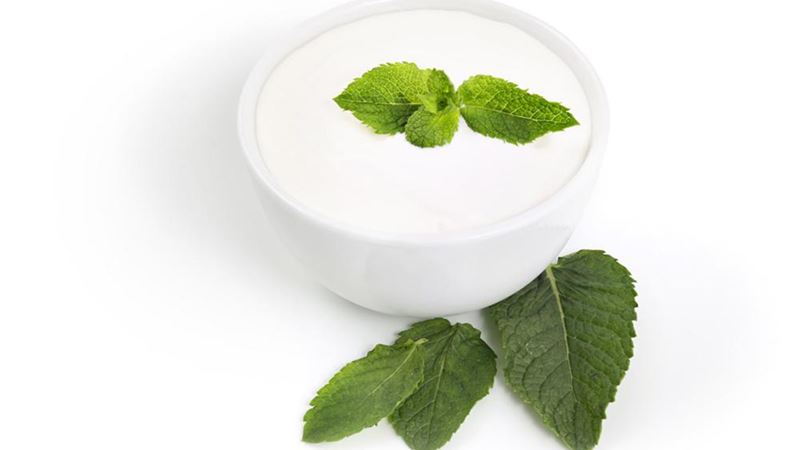
Choosing the right probiotic yogurt is an important step toward enhancing your overall health and wellness. With so many options available in grocery stores today, it can be overwhelming to determine which product truly offers the most benefits. To make an informed decision, it’s essential to understand key factors such as nutritional content, probiotic strains, and ingredient quality. This detailed guide will walk you through the critical aspects to evaluate when selecting probiotic yogurt, helping you find options that align with your dietary needs and health objectives.
Understanding the Role of Probiotic Yogurt in Health
Probiotic yogurt is more than just a tasty snack; it serves as a potent source of beneficial bacteria that support digestive health, boost immune function, and contribute to overall well-being. These live microorganisms, mainly strains like Lactobacillus and Bifidobacterium, help maintain a healthy balance of gut flora, which is vital for effective digestion, nutrient absorption, and protection against harmful pathogens.
Key Criteria for Selecting Quality Probiotic Yogurt
Choosing the best probiotic yogurt involves evaluating several essential factors. Let’s explore each in detail to clarify what to look for in a product that can deliver maximum health benefits.
1. Nutritional Content: Calcium and Essential Nutrients
Yogurt is traditionally recognized for its high calcium content, which is crucial for maintaining healthy bones and teeth. When selecting probiotic yogurt, it’s important to check the calcium levels. A superior product should provide at least 15% or more of the daily recommended calcium intake per serving. Yogurts that contain between 15% and 35% of the daily value are considered optimal, ensuring you receive enough of this vital mineral for bone strength, muscle function, and nerve transmission.
2. Sugar Levels and Sweetening Agents
Sugar content is a common concern with flavored yogurts. Many brands add excess sugar to improve taste, which can cause blood sugar spikes and contribute to unwanted calorie intake. To avoid this, opt for unsweetened or naturally sweetened varieties. In cases where the yogurt is sweetened, verify that sugar or sweeteners are not listed among the first ingredients on the label. Ideally, choose products where the sweetness is derived from natural fruits or, better yet, plain yogurt that you can flavor yourself with fresh produce.
3. Fruit Additions and Ingredient Quality
Many probiotic yogurts come with fruit mixed in, offering added flavor and nutrients. However, some products rely on artificial flavoring, colorings, and added sugars to mimic fruit taste. Always read the ingredient list carefully. The best options contain real, natural fruits, and avoid those with artificial additives. Alternatively, selecting plain probiotic yogurt allows you to add fresh, organic fruits to your serving, ensuring maximum nutritional value and control over added ingredients.
4. Fat Content and Dietary Preferences
Probiotic yogurts are available in various fat levels, including full-fat, low-fat, and fat-free options. Your choice depends on your dietary goals. If you prefer low-fat options, review the label to ensure there are no hidden added sugars. Although fat-free yogurts can be lower in fat, they sometimes contain added sweeteners to compensate for taste. Balance your choice based on your overall diet, preferences, and health needs.
5. Presence and Quality of Probiotic Strains
The primary reason for consuming probiotic yogurt is to introduce beneficial bacteria into your gut. Not all yogurts contain the same strains or quantities of probiotics. Look for labels that specify the inclusion of proven probiotic strains such as Lactobacillus acidophilus, Bifidobacterium bifidum, or Lactobacillus plantarum. Additionally, ensure the product contains live bacteria at the time of consumption; check the expiration date and storage instructions to maximize potency.
Additional Tips for Choosing the Ideal Probiotic Yogurt
- Opt for freshly produced yogurt, as probiotic bacteria diminish over time.
- Check for certifications or seals that verify live and active cultures.
- Consider organic options to reduce exposure to pesticides and additives.
- Pick flavors that align with your dietary restrictions—sugar-free, dairy-free, or fortified variants.
Conclusion: Making the Right Choice for Your Health
Ultimately, selecting a healthy probiotic yogurt requires careful reading of labels and understanding your own nutritional needs. Prioritize products with high probiotic content, minimal added sugars, good nutritional profile, and quality ingredients. Incorporate these yogurts into your daily diet to support digestive health, strengthen your immune system, and promote overall wellness. Remember, the best probiotic yogurt is one that fits seamlessly into your lifestyle while delivering maximum benefits.