
Comprehensive Guide to Safe and Secure Online Banking Practices
Discover essential online banking safety tips to protect your financial information in the digital age. Learn how to create strong passwords, secure your devices, recognize phishing scams, use encrypted networks, and monitor your transactions effectively. Implementing these best practices can significantly reduce the risk of online fraud and identity theft, ensuring your banking activities stay private and secure. Stay informed with expert advice to navigate online banking safely and confidently.
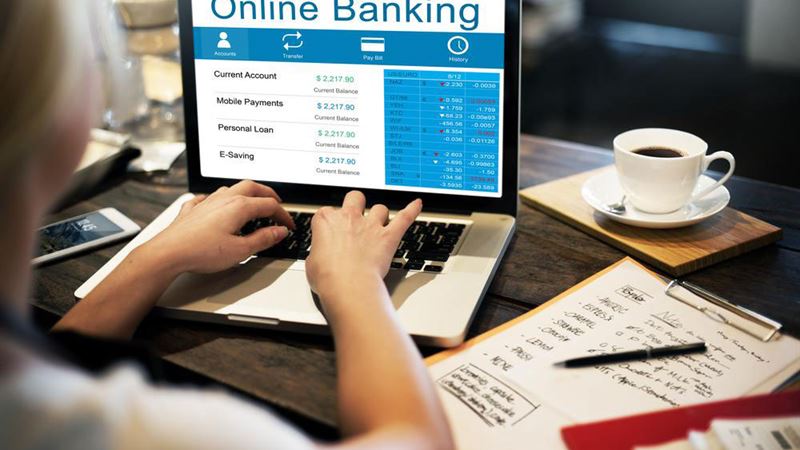
- Choose Strong, Unique Passwords and Change Them Frequently: Establishing a secure password is the first step towards protecting your online banking accounts. The password should be a complex combination of uppercase and lowercase letters, numbers, and special characters. Avoid using easily guessable information such as your name, birthdate, or common words. Regularly updating your password reduces the risk of unauthorized access and enhances overall security. Consider using password managers to remember complex credentials and prevent reuse across multiple sites.
- Implement Robust Device and System Security: Protect your computers, tablets, and smartphones with up-to-date security software. Installing reliable antivirus and anti-malware programs helps detect and eliminate threats that may compromise your banking data. Enable automatic system updates to patch vulnerabilities promptly. Ensuring your devices are secure minimizes the risk of malware infections, keyloggers, and hacking attempts designed to steal sensitive financial information during online transactions.
- Be Wary of Phishing Attempts and Avoid Sharing Sensitive Data: Cybercriminals often use phishing emails or malicious links to steal personal and banking information. Never click on suspicious email links or provide confidential details on unsecured websites. Refrain from entering your banking credentials on sites that ask for excessive personal information or look suspicious. Always verify the URL begins with "https://" and belongs to the official bank domain before logging in.
- Use Secure Internet Connections for Banking Activities: Conduct all online banking sessions over trusted and encrypted networks. Avoid accessing your accounts via public Wi-Fi or open networks, as these are vulnerable to eavesdropping and man-in-the-middle attacks. If you must use a public connection, consider employing a virtual private network (VPN) to encrypt your internet traffic and protect your data from interception.
- Regularly Monitor Your Bank Transactions: Keep a vigilant eye on your account activities by reviewing statements and transaction histories frequently. Promptly report any unauthorized or suspicious activity to your bank. Early detection of fraudulent transactions can help prevent further financial loss and assist in swift resolution of issues.